The initial indication of impending chaos emerged when the rear window of the coach dislodged, plummeting onto the roadway below and fragmenting beneath our vehicle's tyres. Leeds supporters had been relentlessly pounding on the glass as we trailed behind them in a car during the final approach to Old Trafford, until the window ultimately surrendered.
A Historic Victory Amidst Memories of Violence
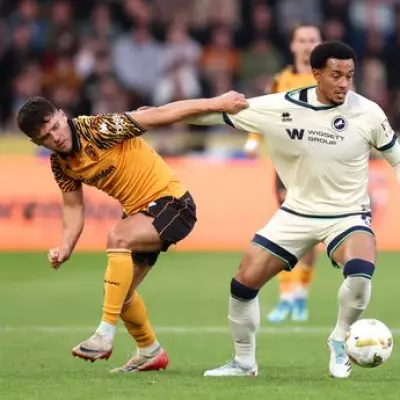
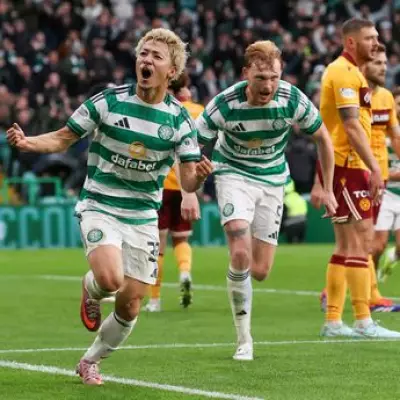
This incident occurred on February 28, 1981, marking my inaugural visit to Old Trafford and coinciding with Leeds United's last league triumph there prior to Monday night's 2-1 victory, which concluded a staggering 45-year wait. Externally, the stadium vicinity descended into scenes of utter carnage. Additional Leeds fans forcefully breached coaches and buses, launching assaults against hundreds of Manchester United supporters despite being significantly outnumbered, as riot police endeavoured to reinstate order.
Brian Flynn secured the solitary goal during the 85th minute that afternoon at the opposite end of Old Trafford where Noah Okafor netted his first-half brace on Monday, yet the pervasive violence remains the indelible memory. These episodes characterised the grim era of the 1980s, when football embodied tribal conflicts and hooliganism was rampant. Although the sport has transformed considerably since, the rivalry between Manchester United and Leeds United has persistently maintained perilously toxic undertones.

Modern Incidents and a Shift in Atmosphere
As recently as 2023, both clubs formally denounced fan conduct at Elland Road after exchanges of taunts referencing the Munich Air Disaster and the tragic deaths of two Leeds supporters in Istanbul preceding a UEFA Cup fixture against Galatasaray. Fortunately, no comparable incidents marred the Old Trafford atmosphere on Monday. The Leeds faithful were exceptional, vociferously rallying Daniel Farke's squad towards a monumental victory that could substantially aid their Premier League survival prospects. With an upcoming FA Cup semi-final, their first since the 1980s, optimism abounds.
Leeds have perpetually embraced a defiant 'everybody hates us and we don't care' mentality, yet the Premier League undoubtedly stands to gain if they evade relegation. Moreover, whether acknowledged or not, Manchester United require Leeds just as Leeds require Manchester United—the quintessential adversary each loves to despise. This constitutes one of English football's most enduring rivalries, and provided it remains within acceptable boundaries, the sport is enriched by its intensity.
Carrick's Untimely Defeat Under Ratcliffe's Scrutiny
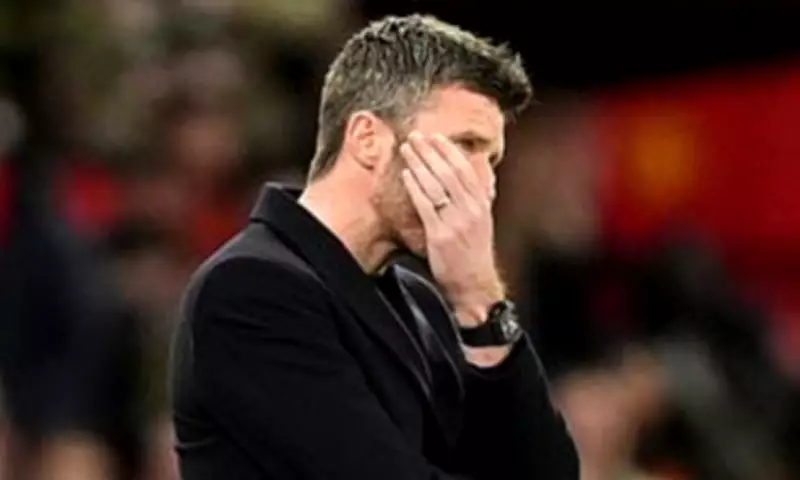
Just as Manchester United appeared poised to secure Champions League qualification and Michael Carrick seemed destined for a permanent managerial role at Old Trafford, Leeds emerged to instil seeds of doubt. Carrick's inaugural home defeat should not represent a significant setback if United can rebound with a victory at Chelsea on Saturday, as Champions League placement remains firmly within their grasp.
However, a concerning sequence of only one win in four matches raises alarms, and the timing of this unexpected loss against Leeds, witnessed by co-owner Sir Jim Ratcliffe, was particularly inopportune. The Ineos billionaire is recognised for occasional impulsivity. United's initial strategy in appointing Carrick temporarily until season's end remains ambiguous, as does whether his notable progress has altered those plans. Retaining him seems the prudent choice, though a single result may not dictate decisions, whereas a series of four poor outcomes could provoke reconsideration, especially with six fixtures remaining.
Having previously labelled the position the 'ultimate job,' Carrick aims to avoid providing Ratcliffe further impetus to reevaluate alternatives.
Absences That Proved Beneficial
The two Manchester United players who arguably emerged with enhanced reputations following the sobering 2-1 defeat to Leeds were Harry Maguire and Kobbie Mainoo, both absent—Maguire due to suspension and Mainoo through injury. Their omission marked the first time in eleven matches that Michael Carrick's starting lineup lacked both, coinciding with arguably the team's most deficient performance under his guidance.

Without Maguire, United faltered in containing Dominic Calvert-Lewin's physical presence, which pressured Leny Yoro into an error leading to the first goal—deemed illegal by Carrick—and subsequently provoked Lisandro Martinez's red card for hair-pulling, another decision contested by the coach. Paul Scholes recently advocated selling Yoro this summer, an improbable scenario, yet it highlighted the young French defender's struggles with English football's rugged aspects, necessitating greater resilience.
If Maguire's suspension extends and both he and Martinez miss the Chelsea encounter, Liam Rosenior might strategically deploy Liam Delap against Yoro, particularly if paired with another youthful centre-back like Ayden Heaven. Meanwhile, Mainoo's absence granted Manuel Ugarte a rare opportunity, which the Uruguayan failed to capitalise upon. Signed for approximately £50 million, similar to Yoro, Ugarte lacks equivalent backing from United's hierarchy and is anticipated to be sold post-season.
Consequently, United will pursue two central midfielders after opting against renewing Casemiro's contract—a divisive decision despite the Brazilian's substantial earnings. Casemiro's goal against Leeds was his eighth this season, and he nearly equalised, starkly underscoring the attackers' ineffectiveness when a 34-year-old midfielder on a farewell tour posed the greatest threat. Fortunately, the club nears a new agreement with Mainoo, averting a need for three midfield recruits. Without Mainoo's dynamism, Casemiro and Ugarte were severely exposed, accentuating the peculiar delay in securing new contracts for Mainoo and Maguire given their form under Carrick.
Calvert-Lewin's Performance Highlights England's Concerns
Dominic Calvert-Lewin proved exceptionally troublesome for United at Old Trafford—quite literally regarding Martinez's hair-pulling—yet his display also illuminated the dilemma confronting Thomas Tuchel this summer. How England would manage without Harry Kane persists as a pressing query ahead of the World Cup, with no apparent solution. Tuchel must decide between utilising a traditional centre-forward like Calvert-Lewin or Ollie Watkins, or adopting a false nine from alternative attacking resources.
World Cup officials are unlikely to exhibit the leniency shown by referee Paul Tierney towards Calvert-Lewin's challenge on Yoro preceding Okafor's opener, or even the flailing arm that incited Martinez's reaction. Despite his disruptive influence, Calvert-Lewin was culpable for two egregious misses, directing a shot straight at Senne Lammens early on and heading into the goalkeeper's grasp from close range later. His most pivotal contribution arguably involved a goal-line clearance from Casemiro.
The 29-year-old has demonstrated strong form this season but remains goalless in his last six Premier League appearances. While his wastefulness did not ultimately penalise Leeds, such profligacy could prove severely detrimental to England's aspirations on the global stage.