Karren Brady Steps Down as West Ham Vice-Chairman After 35 Years in Football
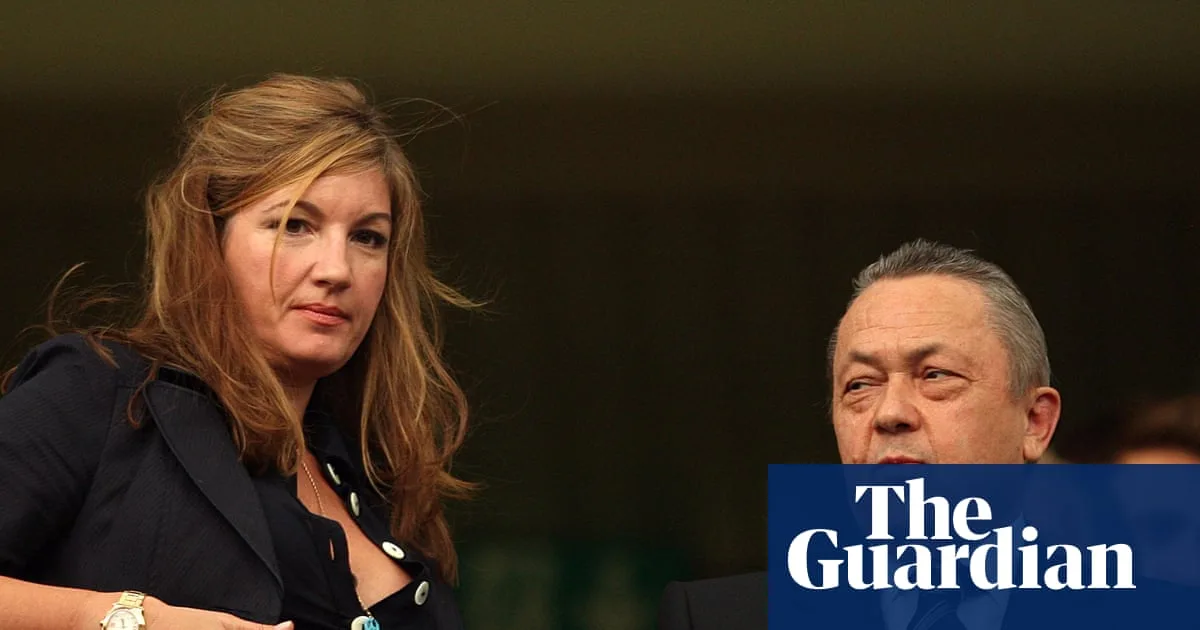
Baroness Karren Brady, widely celebrated as the 'first lady of football', has announced her immediate resignation as vice-chairman of West Ham United, marking a significant pause in her nearly 35-year career within the sport. The 57-year-old businesswoman and television personality confirmed her departure on Tuesday, a move that has sent shockwaves through football circles, particularly as the Hammers are locked in a tense battle with rivals Tottenham Hotspur to avoid Premier League relegation.
A Trailblazing Career Begins
Baroness Brady's extraordinary journey in football commenced at the remarkably young age of 23 when she was appointed managing director of Birmingham City Football Club. Initially an advertising trainee who chose a business career over university, she quickly established herself in the male-dominated world of football, ultimately amassing a personal fortune estimated at around £100 million.
Her entry into the industry was facilitated by David Sullivan, who was so impressed by her during negotiations for a £2 million advertising deal that he hired her to work at the Daily Sport and Sunday Sport. She later encouraged Sullivan to purchase Birmingham City from administrators in 1993, setting the stage for her transformative 16-year stewardship of the club.
Overcoming Adversity and Misogyny
Throughout her career, Baroness Brady has been hailed as a 'standard-bearer for women in a male-dominated world'. Early in her professional life, she was warned she 'would have to be twice as good as the men', to which she famously retorted: 'Well that won't be difficult'. This defiant attitude became a hallmark of her leadership.
She faced direct misogyny from footballers, including one Birmingham player who remarked: 'I can see your tits in that shirt.' Her sharp response – 'When I sell you to Crewe, you won't be able to see them from there will you?' – was followed by his actual transfer, demonstrating her formidable negotiating skills and refusal to tolerate sexism.
Personal Life and Business Acumen
Baroness Brady married Paul Peschisolido, Birmingham's star striker, in 1995, having met when she visited him in hospital after an injury. In a remarkable business move, she famously bought and sold her own husband twice for profit during transfer dealings. The couple have two children – daughter Sophia, 28, and son Paolo, 26 – along with two young grandchildren.
Her business career began humbly, with a teenage job sweeping floors at an Edmonton hair salon after being rejected by Waitrose for being 'too glamorous'. From these modest beginnings, she developed a philosophy that 'every job leads to a better job', demonstrating the work ethic that would define her success.
West Ham Tenure and Legacy
Baroness Brady assumed her role with West Ham United after David Gold and David Sullivan purchased the club, having previously worked as managing director at Birmingham under Sullivan's ownership. During her tenure at West Ham, she oversaw the club's controversial move from Upton Park to the London Stadium, originally built for the 2012 Olympic Games.
Despite commercial progress, she became a polarising figure among supporters, facing criticism over the stadium transition, increased ticket prices, and on-pitch performance issues. Her departure comes with West Ham positioned just two points above the Premier League relegation zone with five matches remaining in the season.
Beyond Football: Television and Politics
To the wider public, Baroness Brady is perhaps best known as Lord Alan Sugar's steely aide on the BBC's 'The Apprentice', a role she has maintained for 15 series since joining in 2009. Her political career advanced significantly when she was appointed a Conservative peer in 2014, becoming Baroness Brady of Knightsbridge after receiving a personal phone call from then-Prime Minister David Cameron.
She described her peerage celebration as 'the best night of my life', hosting a party attended by notable figures including Alan Sugar, Philip Green, and Simon Cowell. In the House of Lords, she has focused on issues related to small businesses, women in business, and sport policy.
Health Challenges and Personal Philosophy
In 2006, Baroness Brady faced a life-threatening health crisis when an aneurysm was discovered in her brain, requiring invasive neurosurgery. She continues to be at high risk for stroke and has since become a prominent supporter of the Stroke Association, chairing awards for stroke survivors.
Describing herself as 'fearless', she attributes her success to a confrontational approach to problem-solving and a philosophy of embracing opportunities. 'I think you regret the things you don't do much more than the things you do,' she has stated, reflecting on her career choices.
Future Prospects and Final Statement
While stepping down from her formal role at West Ham, Baroness Brady indicated her football journey may not be over, stating: 'My passion for football remains undiminished.' She will continue her television work on The Apprentice and maintain her political activities.
In her departure statement, she said: 'While this chapter closes, my passion for football and commitment to supporting the next generation of leaders remains undiminished. I wish West Ham United every success for the future and look forward to following their continued achievements with pride.'
David Sullivan, West Ham's chair, described her as an 'exceptional leader' and thanked her for 'outstanding contribution over the past 16 years'. As football absorbs this significant departure, Baroness Brady's legacy as a pioneering woman in sport remains firmly established, with her influence extending far beyond the pitch into business, television, and politics.