Iraq's World Cup Qualification Hopes Disrupted by Iran War Visa Crisis
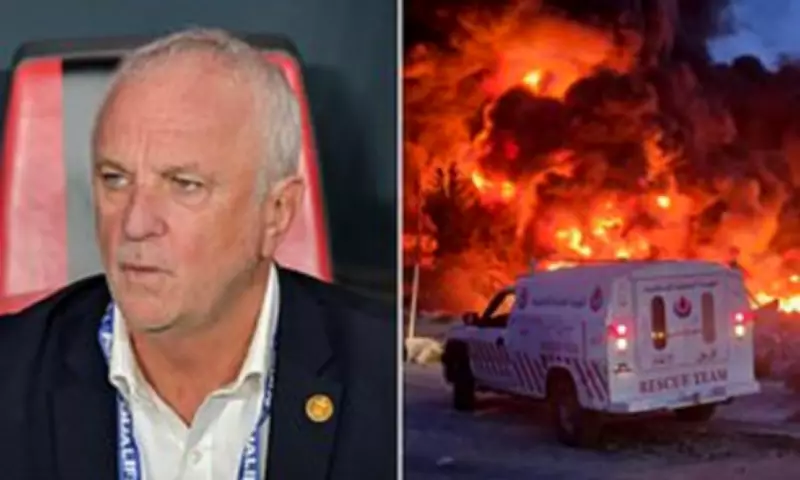
Iraq's aspirations to qualify for the World Cup are facing significant obstacles due to the ongoing Iran war, which has created a visa crisis preventing players and staff from traveling to a crucial playoff tournament in Mexico. The Iraqi soccer federation has confirmed that head coach Graham Arnold is currently stranded in the United Arab Emirates, unable to depart because of airspace closures linked to the conflict.
Visa Complications and Diplomatic Challenges
In a statement posted on Instagram, the federation highlighted that several embassies remain closed at this time, which is blocking numerous professional players, along with technical and medical staff members, from obtaining the necessary entry visas to Mexico. This situation has thrown Iraq's participation in the playoff into serious doubt, as the team relies on these key individuals for their competitive edge.
Mexico's foreign affairs ministry has responded to the issue, explaining that the visa complications have arisen primarily because Mexico does not maintain an embassy in Iraq. However, they have assured that the Mexican embassy in the United Arab Emirates has been actively engaged in communication with the Iraqi federation to address the problem.

The ministry further clarified that visas could potentially be granted in any European country, and they have requested the Iraqi federation to provide the names of all individuals planning to travel to Mexico. This step is intended to expedite the visa issuance procedures and facilitate a smoother process for the team's entry.
Critical Playoff Match and Qualification Stakes
Iraq is scheduled to face either Bolivia or Suriname in Monterrey, Mexico, on March 31. This match represents one of the final two qualification spots for the upcoming World Cup, which will be hosted jointly by the United States, Mexico, and Canada. The outcome of this playoff is pivotal for Iraq's chances of securing a place in the prestigious tournament.
The federation has emphasized that it is in constant communication with FIFA regarding the arrangements for the national team's participation in this critical match. Additionally, they have noted that the Asian Football Confederation is fully aware of every development concerning the team's situation, indicating a collaborative effort to resolve the issues.
Potential Fallback Options and FIFA's Role
Should Iraq fail to qualify through the playoff, there is a speculative alternative path that could emerge if Iran is unable to participate in the World Cup due to the impacts of US and Israeli attacks on the country. Iran's top soccer official, Mehdi Taj, has expressed pessimism, stating, 'We cannot be expected to look forward to the World Cup with hope.'
If Iran were to withdraw from the tournament—a scenario that remains highly uncertain—Iraq or the United Arab Emirates would likely be considered as replacements, given their positions as the ninth and tenth-ranked Asian teams in the qualifying process. However, FIFA's legal regulations in such cases are notably vague, granting president Gianni Infantino broad discretionary powers to shape any final decision.
Despite these potential alternatives, Iraq's most certain and immediate hope for qualification remains winning the playoff later this month. The team's ability to overcome the current visa and logistical challenges will be crucial in determining their fate on the global football stage.