Iran Threatens World Cup Boycott Over US Strikes, Replacement Options Examined
Iran World Cup Boycott Threat Over US Strikes, Replacements

Iran Considers World Cup Boycott Following US and Israeli Military Strikes

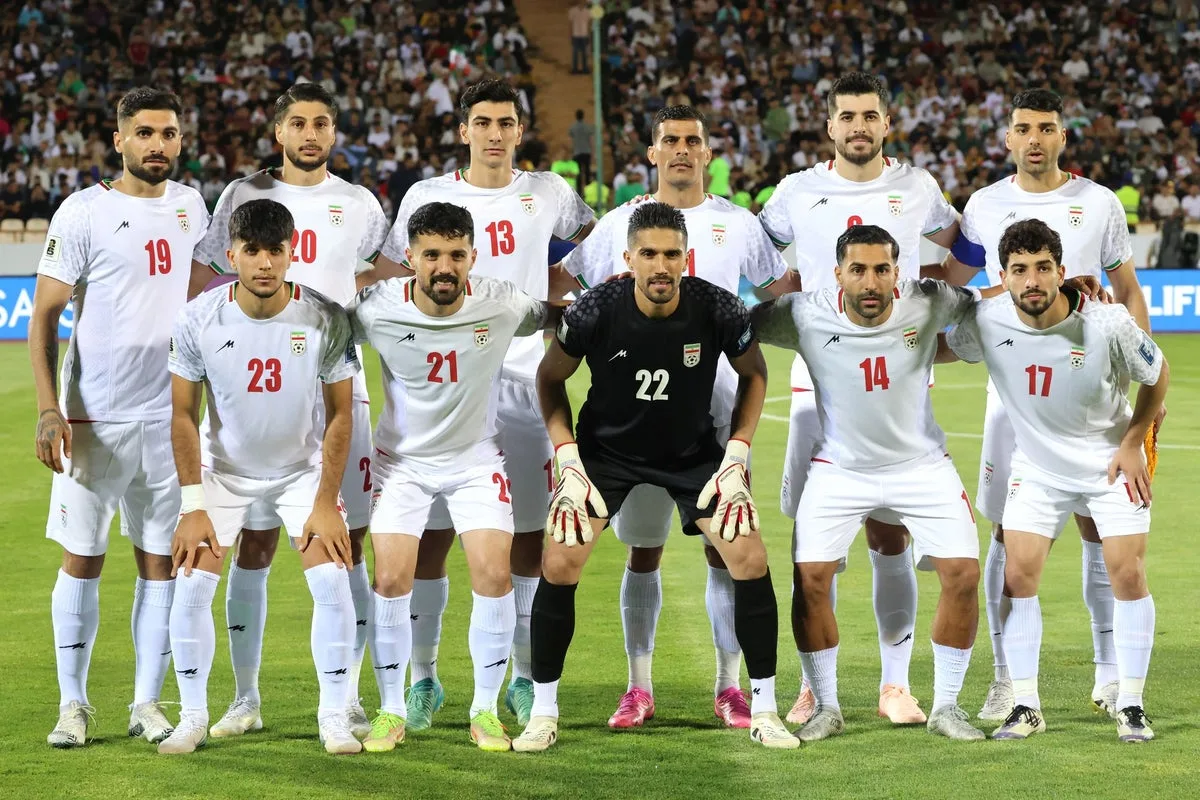
The president of Iran's football federation has raised the possibility of the national team boycotting the upcoming FIFA World Cup, following significant escalation in tensions after recent US and Israeli attacks on the country. According to multiple media reports, including the Associated Press, Mehdi Taj told sports news portal Varzesh3 that "What is certain is that after these attacks, it's hard to look at the World Cup with hope."

World Cup Schedule and Political Context

The tournament is scheduled to take place across multiple cities in the United States, Mexico, and Canada this summer, with Iran's group games specifically planned for US venues. Iran qualified directly for the World Cup and is scheduled to play three matches in the United States during June, facing New Zealand and Belgium in Los Angeles on June 15 and June 21, followed by a match against Egypt in Seattle on June 26.

This development comes amid unprecedented circumstances where a World Cup host nation has attacked a qualified team just four months before the tournament's opening game. The situation has been further complicated by the killing of Iran's supreme leader Ayatollah Khamenei and statements from US president Donald Trump indicating that strikes could continue for the next four weeks. Iranian officials have firmly ruled out negotiating with the United States.

Historical Precedents and Previous Tensions

There has never been a political boycott of the World Cup in its history, with the last boycott occurring sixty years ago when African teams refused to participate in protest of receiving only one-third of a qualifying berth. However, several European countries had previously discussed a potential World Cup boycott when the United States threatened to annex Greenland in January.

Political tensions surrounding Iran's tournament involvement existed even before the recent strikes, primarily concerning visa restrictions. The Iranian football federation followed through on its threat to boycott November's World Cup draw in Washington DC, with federation spokesman Amir Mehdi Alavi citing "unsportsmanlike actions" by one of the host countries as the reason. At that time, the US had granted visas to four members of the Iranian delegation, including head coach Amir Ghalenoei, but had not issued one to football federation president Mehdi Taj.

FIFA's Position and Regulatory Framework

FIFA is closely monitoring the developing situation, with secretary general Mattias Grafstrom stating on Saturday that "It's too early to comment, but we will monitor developments around the world that could affect the tournament." According to FIFA's World Cup regulations published last year, the organization maintains significant discretion in such matters.

The regulations state: "If any Participating Member Association withdraws and/or is excluded from the FIFA World Cup 26, FIFA shall decide on the matter at its sole discretion and take whatever action is deemed necessary. FIFA may decide to replace the Participating Member Association in question with another association." Additionally, FIFA reserves the right to "cancel, reschedule or relocate one or more matches (or the entire FIFA World Cup 26) for any reason at its sole discretion, including as a result of force majeure or due to health, safety or security concerns."

Potential Replacement Scenarios

In the event of Iran withdrawing from the tournament, the United Arab Emirates would be the closest replacement option, having narrowly missed automatic qualification and subsequently been eliminated in the play-off rounds. Iraq could also become a possibility if they do not advance through their intercontinental play-off against either Bolivia or Suriname in Mexico later this month.

However, the current uncertainty in the Gulf region resulting from US strikes means that replacing Iran with either the UAE or Iraq could prove far from straightforward. There is some precedent from last summer when Mexican side Club Leon were removed from the Club World Cup due to multi-club ownership rules, with FIFA subsequently organizing a play-off between Los Angeles Football Club and Mexican team Club America to determine a replacement.

Additional Complications and Possible Scenarios

The situation presents several unique challenges, including the possibility that the United States and Iran could potentially face each other in the tournament if both teams finish as runners-up in their respective groups, with that fixture scheduled for Arlington, Texas. Furthermore, while athletes, team members, and family members were previously excluded from Trump's travel ban, the US government could theoretically decide to restrict Iran from competing entirely if they cited security risks.

FIFA's broad regulatory authority means the organization could potentially relocate Iran's matches from US venues, though such decisions would need to balance multiple political, logistical, and sporting considerations. The international football community now watches closely as this unprecedented situation unfolds just months before the world's largest sporting event.