Iran Threatens 2026 World Cup Boycott Amid Middle East Conflict
Iran May Boycott 2026 World Cup Over Political Tensions

Iran Considers Historic World Cup Boycott Amid Escalating Conflict

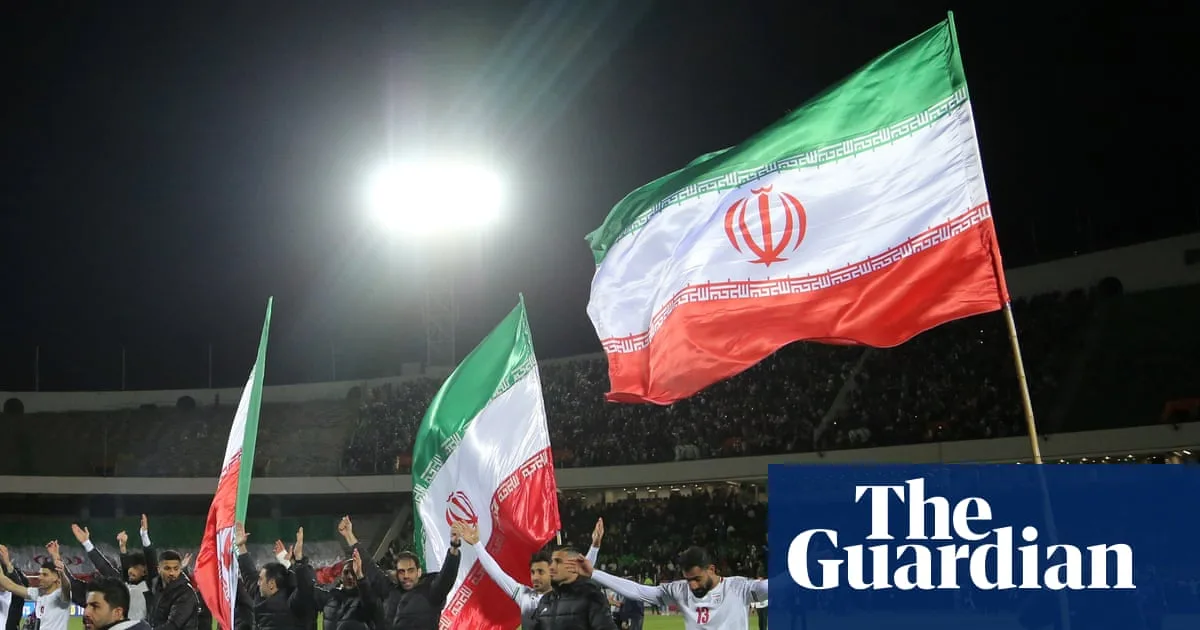
Iran stands on the brink of making football history by potentially becoming the first ever qualified nation to boycott a FIFA World Cup tournament for political reasons. This dramatic development follows escalating tensions in the Middle East involving the United States and Israel, with recent airstrikes resulting in the death of Iran's Supreme Leader Ayatollah Ali Khamenei.

Qualification Overshadowed by Political Crisis

Despite successfully topping their Asian qualifying group and securing their place at the 2026 World Cup, Iran's participation now hangs in the balance. Reports emerging from Tehran suggest serious contemplation of withdrawal from the tournament, which would present FIFA with an unprecedented political dilemma.

No qualified nation has ever boycotted the World Cup finals for political reasons throughout the tournament's nearly century-long history, making Iran's potential withdrawal particularly significant for global football governance.

Wide Pickt banner — collaborative shopping lists app for Telegram, phone mockup with grocery list

Historical Precedents of World Cup Withdrawals

While no qualified team has boycotted the finals for political motives, history reveals several notable instances of World Cup withdrawals during earlier stages:

  1. Uruguay 1934: The reigning champions withdrew in protest after European teams declined to travel to South America for the 1930 tournament.
  2. Austria 1938: The nation couldn't participate following annexation by Nazi Germany, though some Austrian players joined the German squad.
  3. India 1950: Qualified by default but withdrew due to financial constraints and logistical challenges, contrary to popular myths about barefoot play restrictions.
  4. African Boycott 1966: African nations boycotted qualifying in protest against FIFA's limited allocation of spots for their confederation.

The 1973 Chile-Soviet Union Incident

The closest historical parallel occurred during 1974 World Cup qualifying, when the Soviet Union refused to play their intercontinental playoff second leg in Santiago. This protest against Augusto Pinochet's dictatorship resulted in Chile's players taking to the pitch alone, with captain Francisco Valdes scoring into an empty net before the match was abandoned.

Modern Political Tensions in Football

More recently, the 2022 Qatar World Cup saw protests from players concerning human rights issues, though all qualified teams ultimately participated. The current Middle East conflict, however, presents a more direct political challenge to tournament participation.

FIFA now faces the complex task of navigating this political minefield while maintaining football's traditional separation from international conflicts. The organization's response could set important precedents for how global sporting events handle similar political crises in future.

The potential Iranian boycott represents not just a football story, but a significant moment in the intersection of international sports diplomacy and global politics. As tensions continue to escalate, the football world watches anxiously to see whether Iran will make history by becoming the first qualified nation to withdraw from the World Cup for purely political reasons.

Pickt after-article banner — collaborative shopping lists app with family illustration