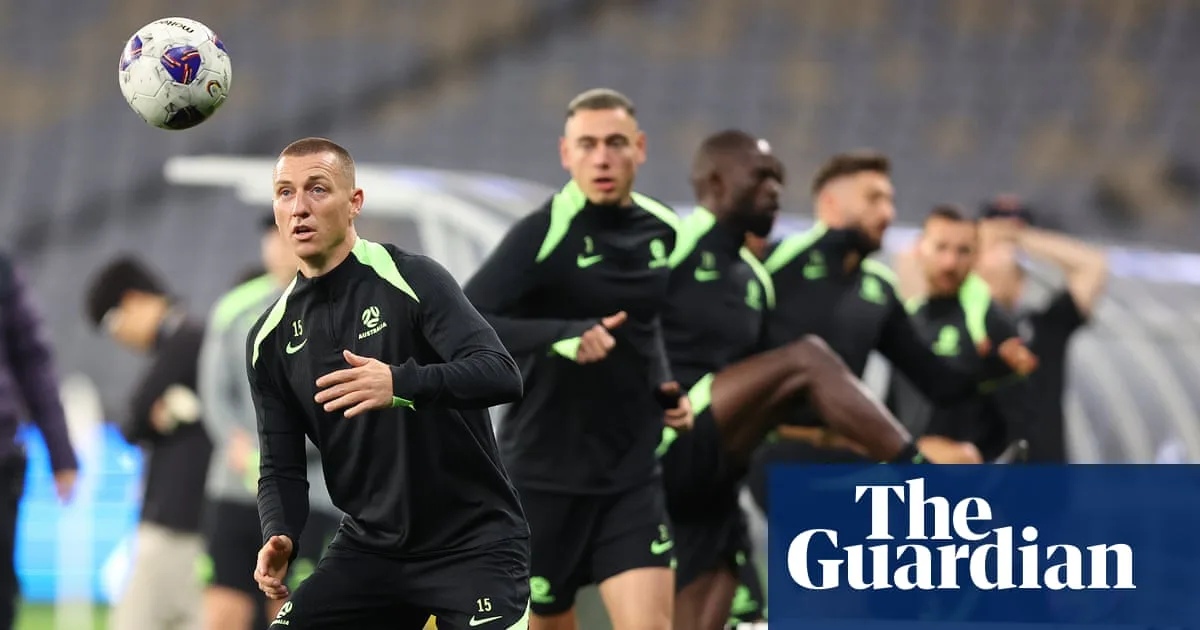
Australia have sent scouts across the United States, Canada and Mexico to identify the best cities for their 2026 World Cup base camp, with factors such as facilities, hotels and general atmosphere being scrutinised. The Socceroos submitted their preferred options to FIFA this week, with the governing body expected to assign base camps by the end of January based on geography and world rankings.
Drawn to play games on the west coast, Australia has 16 regionalised camps to consider from the official FIFA brochure. However, they will sit behind host nations the United States and Canada, as well as higher-ranked Switzerland, Belgium and Iran in the pecking order. Key considerations include the quality of hotel and training facilities, travel logistics, and trade-offs between them.
Assistant coach Hayden Foxe expressed a preference for smaller, quieter cities to allow the team to focus and relax. “We would prefer more privacy, especially when it comes to the base camp, where we can just put our minds on the job we need to do,” he said. Head coach Tony Popovic is known for his attention to detail, with quality of sleep and diet being top priorities. Even the quality of pillows and available produce for team chef Vini Capovilla have been assessed.

The team may spend six weeks or more at their base, so creature comforts and morale are important. Coffee is a particular focus; the Socceroos flew in their own barista and beans for the 2022 World Cup in Qatar, and players are supplied with a list of quality roasters when visiting new cities. The heightened security of a World Cup will limit the freedom players have to explore, unlike previous trips where players like Harry Souttar and Riley McGree bought cowboy hats in Dallas.
Other nations are also searching for ideal bases. South Korea, who will play group games in Mexico, want a high-altitude training site, while Scotland seek a “hot, sticky and humid” camp. France are eyeing New York but need to negotiate training facilities, and England may lose their preferred Kansas City base to the Netherlands.