Human Rights Issues Cast Shadow Over 2026 Women's Asian Cup in Perth
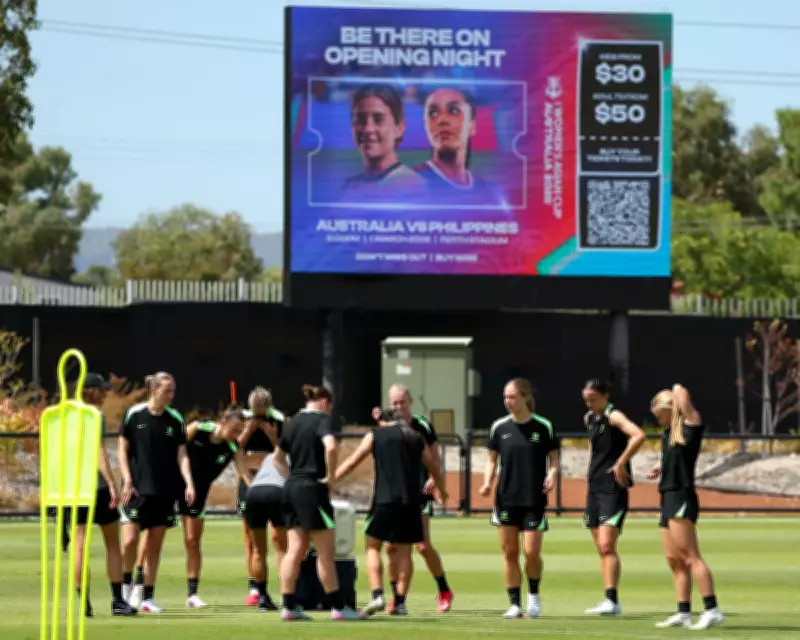
The 2026 Women's Asian Cup kicks off this weekend in Perth, Australia, but behind the glittery marketing and "Dream Fearless" branding, serious human rights concerns are swirling around the tournament. These issues cannot be ignored, as they highlight a glaring contrast between the Asian Football Confederation's corporate vision and the harsh structural realities faced by many players and nations involved.
Player Protests and Federation Failures
Just over a year ago, 18 senior players from the Bangladesh women's national team threatened to retire from international football in protest of their alleged treatment by head coach Peter Butler. Captain Sabina Khatun accused Butler of verbal abuse, body shaming, mental harassment, and inappropriate comments about their private lives during an emotional media conference. Despite raising complaints privately months earlier, the national federation cleared Butler of wrongdoing, claiming a "misunderstanding," and Khatun and other senior players were not selected for the Asian Cup squad.
Similarly, the South Korean women's team, who finished runners-up in 2022, have been in conflict with their federation over "harsh and unreasonable conditions," even threatening a boycott if changes were not made. These stories are absent from the tournament's official channels, which focus heavily on the host nation Australia.

Broader Human Rights Challenges
The tournament's empowerment theme clashes with the realities for players from countries like Iran, who participate against a backdrop of state violence and authoritarian control, reportedly pressured against speaking out. North Korean players face restrictions on overseas club opportunities, while Indian women struggle with an imploding national federation. Additionally, most players earn minimal prize money, as the AFC has refused to increase or restructure distribution despite nearly 90% of players in a 2022 survey calling for improvements.
Host Nation Criticisms and LGBTIQ+ Silences
Even Australia, the only competing nation with equal pay between men's and women's national teams, faces criticism. Football Australia has fallen short of its gender equity requirements after departures of senior women staff and has been accused of silencing former Matildas players through restrictive agreements. With the Asian Cup launching after the Sydney Gay & Lesbian Mardi Gras and during the A-Leagues' "Pride Celebration," there has been no acknowledgement of the LGBTIQ+ community, despite many members being involved in the tournament.
Homosexuality is illegal and punishable by death or imprisonment in two competing nations, and marriage equality is banned or not recognized in eight more. Only Australia and Taiwan recognize same-sex marriage nationwide, creating a stark juxtaposition between the inclusive culture of women's football globally and the restrictions on Asian LGBTIQ+ athletes.
Call for Accountability and Legacy
The AFC is required to uphold FIFA's human rights policy, which mandates respect and promotion of internationally recognized rights. However, many member nations fall short, and reckoning with these issues is essential for the Asian Cup to create a genuine legacy for future generations of women daring to dream fearlessly. The tournament's success must be measured not just by on-field performances but by its commitment to addressing these critical human rights concerns.