From Mentor to Rival: The Guardiola-Arteta Final That Could Reshape English Football
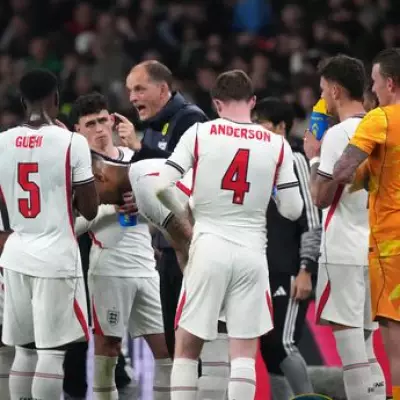
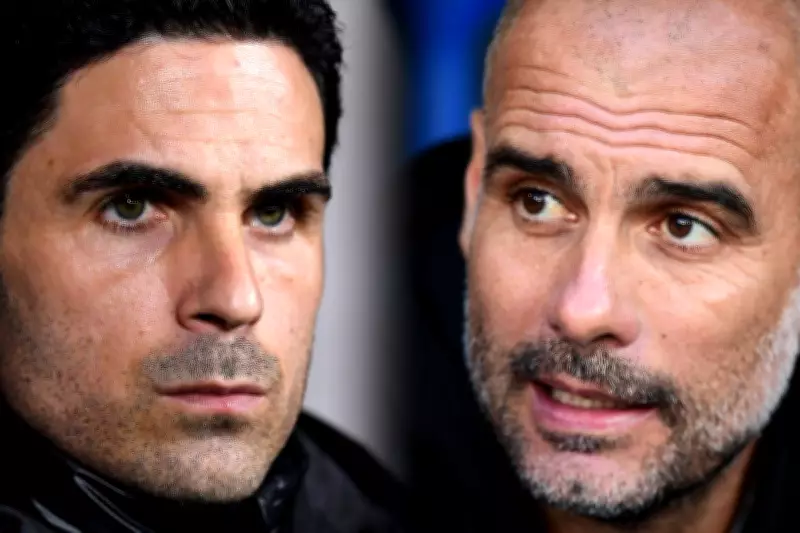
The upcoming Carabao Cup final between Manchester City and Arsenal is not merely a contest for silverware; it represents a potential seismic shift in the balance of power within English football. For years, Pep Guardiola has stood as the dominant managerial force, but now he faces his former assistant, Mikel Arteta, in a clash that could redefine their legacies.
The Quadruple Quest and a Changing Landscape
Guardiola, the Manchester City manager, has repeatedly pursued the elusive domestic quadruple without success. Now, he finds himself in the unfamiliar position of potentially denying that very achievement to Arteta's Arsenal, who remain in contention for all four trophies. This reversal of roles transforms Guardiola from the hunter to the gatekeeper, a king who may now serve as kingmaker in Arteta's ascension.
Guardiola himself acknowledged the possibility, stating, "For them, yeah," when asked if Arsenal could win the quadruple. His vested interest is clear: with City nine points behind Arsenal in the Premier League and facing them in multiple competitions, Guardiola's path to silverware likely requires defeating his former protégé.

A Tactical Evolution and Shifting Influence
Arteta's Arsenal have distinguished themselves this season through remarkable resilience, losing just three of fifty matches. This contrasts sharply with City's nine defeats, highlighting a pragmatic evolution from Guardiola's purist philosophy. While Guardiola's teams were celebrated for flowing football, Arteta has built a side almost immune to defeat, leveraging set-pieces and defensive solidity.
The influence between the two remains intertwined. Arteta has imported staff from City, including set-piece coach Nicolas Jover, and adopted tactical shifts like using centre-backs in full-back roles—a strategy Guardiola employed during City's treble-winning campaign. Yet, Arteta's approach appears more tailored to the modern Premier League's emphasis on physicality and dead-ball situations.
The Psychological Battle and Historical Context
Arteta currently holds a psychological edge, unbeaten in his last six encounters against Guardiola after losing their first eight meetings. This streak could extend to denying Guardiola the Carabao Cup, a trophy City have dominated in recent years. Moreover, Arsenal's pursuit of the Premier League title threatens to end Guardiola's stranglehold on the championship.
Guardiola's recent record in finals adds another layer of intrigue. Having lost his last two Wembley finals in the FA Cup, another setback could fuel narratives about his waning powers. Conversely, Arteta faces the immense pressure of sustaining a quadruple challenge—a feat that always eluded Guardiola, who noted, "The Champions League is the hardest of all to win."
Legacy and the Future of English Management
This final transcends immediate silverware; it symbolizes a potential changing of the guard. Guardiola, who long cited Jurgen Klopp as his greatest rival, now sees Arteta emerging as his successor for domestic supremacy. Arteta's success could inspire a new generation of managers, shifting focus from Guardiola's idealism to a more pragmatic, results-driven model.
Guardiola emphasized the importance of originality, stating, "If they copy-paste, it's not interesting." Arteta appears to have heeded this advice, crafting a distinct identity at Arsenal. As they prepare for battle at Wembley, the outcome may not only decide a trophy but also signal whether English football's throne is passing from one visionary to another.