Emotional Scene as Groom Guides Fallen Horse to Safety at Aintree
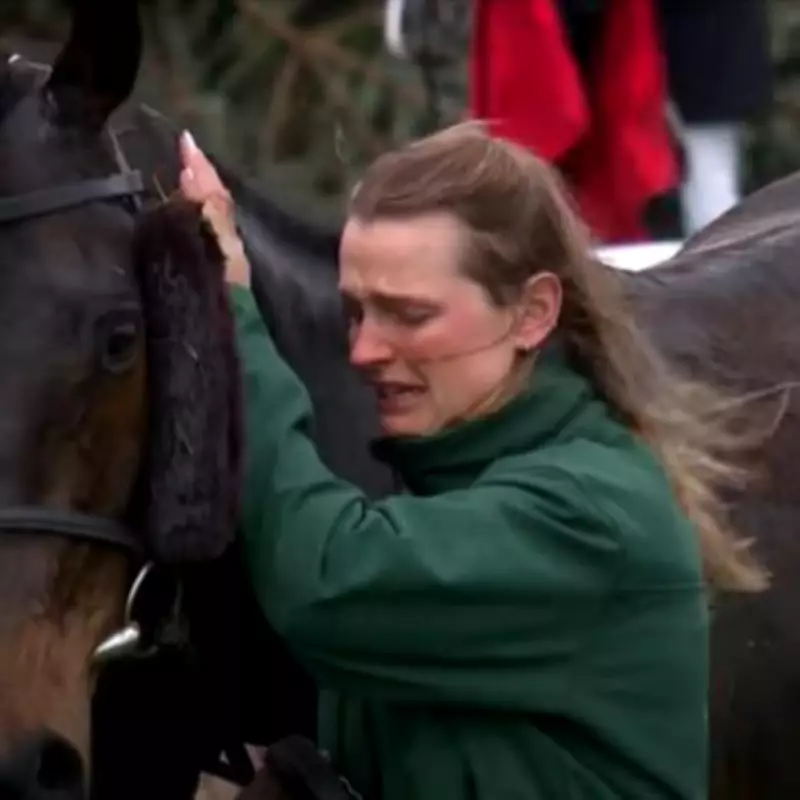
An emotional groom, Amy Morrissey, was seen wiping away tears after leading Impaire Et Passe off the Aintree racecourse following a dramatic fall on the opening day of the Grand National Festival. The incident occurred during the 2.55pm Grade One Racing Welfare Bowl Chase, a race ultimately won by the favourite, Jango Baie.
Fall at the Second Last Fence
The eight-year-old horse, Impaire Et Passe, fell at the second last fence, but both the animal and its jockey, two-time Grand National winner Paul Townend, emerged unharmed. Townend is expected to return to the saddle for Ladies Day on Merseyside, with plans to ride 2024 winner I Am Maximus in Saturday's showpiece event, aiming to join an elite group of riders.
ITV cameras captured the poignant moment as Morrissey, visibly distressed, guided the fallen horse from the course. ITV Racing host Ed Chamberlin commented, “These grooms just love their horses. Isn’t that a welcome sight? Impaire Et Passe is absolutely OK.” He added, “What a relief for Amy Morrissey there, in floods of tears. She’s got her boy back and he is OK thank goodness.”

Race Winner and Punter Success
Jango Baie, ridden by Nico de Boinville and trained by Nicky Henderson, secured victory in the race. De Boinville, who had earlier been unseated from Lulamba in the Grade One Manifesto Novices' Chase, said, “He really came for me at the second-last and put the race to bed. I'm absolutely delighted with him and it's all down to the team at home.”
The day proved fruitful for punters, with favourites Jango Baie, Barton Snow, and Brighterdaysahead winning consecutive races, providing a significant boost on the festival's first day.
Commitment to Equine Welfare and Safety
While horse racing inherently involves risks, The Jockey Club, which owns 15 UK racecourses and organises both the Cheltenham and Aintree Festivals, is actively working to minimise these dangers. Data indicates that at the Grand National, the average number of fallers has halved historically, and the 10-year fatality rate has decreased by over a third.
Since 2000, the racing industry has invested more than £63 million in equine welfare, focusing on veterinary science, education, and research. Specific safety enhancements at Aintree include:
- Replacing timber central frames of fences with more forgiving plastic cores.
- Levelling the landing side of key fences, such as Becher's Brook.
- Investing £400,000 in Aintree's watering system.
- Reducing the maximum field size from 40 to 34 horses.
- Implementing stricter qualification criteria and veterinary checks.
British racing benefits from an independently-chaired Horse Welfare Board, whose strategic plan, 'A Life Well Lived', is already showing positive results. The industry regularly consults with established welfare organisations, including World Horse Welfare, RSPCA, and Blue Cross, to ensure it maintains the highest standards of care.
This incident underscores the emotional bonds between grooms and their horses, while highlighting ongoing efforts to enhance safety in the sport. As the festival continues, attention turns to Paul Townend's anticipated return and the broader commitment to equine welfare across the racing community.