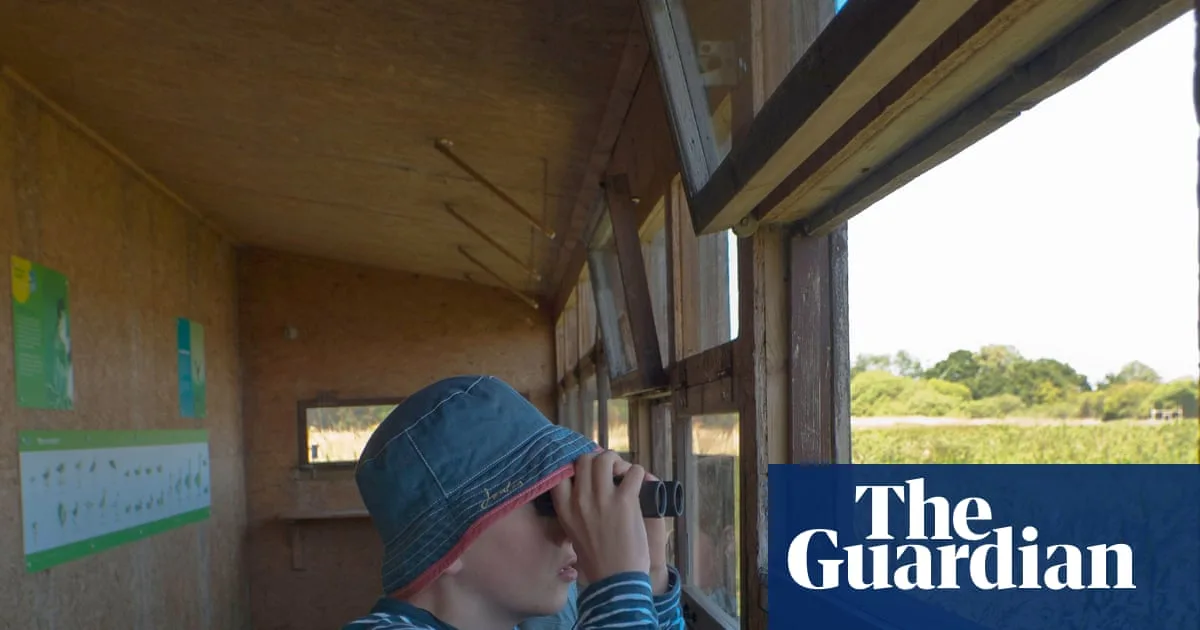
Birdwatching is no longer a niche, old-fashioned pastime, according to the RSPB, as new research reveals a 47% increase in the hobby since 2018. The study, conducted by Fifty5Blue and published by the RSPB, analysed data from over 24,000 people and found that birdwatching is the second fastest growing hobby for Generation Z after jewellery making.
Almost 750,000 Britons aged 16 to 29 now regularly enjoy watching birds, a staggering 1,088% increase since 2018. Among millennials, the hobby has risen by 216%, while Generation X has seen a 66% increase. The research highlights a broader trend of younger people embracing birdwatching, with social media playing a key role in sharing knowledge and passion.
Jess Painter, 24, a member of the RSPB’s Youth Council, said: “When I’m watching birds, I’m not thinking about anything else – it’s a moment of peace and a way to reconnect with nature, and with myself.” Molly Brown, 29, a wildlife adviser at the RSPB, added: “It’s brilliant to see so many young people choosing to get into birdwatching. This new research shows that watching birds is no longer a niche or old-fashioned pastime and is attracting a younger, more diverse crowd.”

The research was released ahead of International Dawn Chorus Day on the first Sunday in May. The RSPB is encouraging people to wake up early and enjoy the dawn chorus, which peaks in spring as birds breed and defend their territories. “There’s no right way to experience it,” said Brown. “The most important thing is that you’re ready to hear it around 45 minutes before dawn, when the air is still and the light is low.”
Dr Amir Khan, RSPB president, noted the mental health benefits of birdsong: “Hearing birdsong, especially during the dawn chorus when they’re at their loudest and most beautiful, can produce more serotonin and make us feel good.” A recent study also suggested that watching birds may slow age-related cognitive decline.