First Stadium Bans Issued Under New Tailgating Legislation at Carabao Cup Final
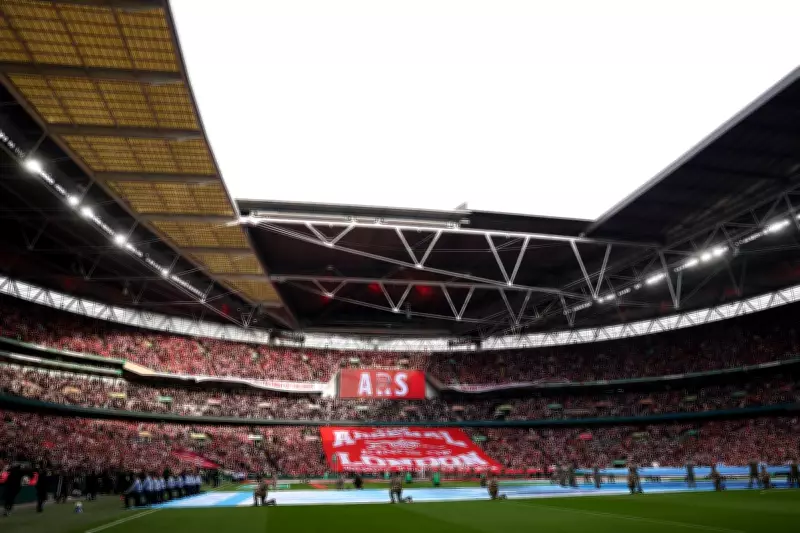
Two football fans have become the first individuals to receive stadium banning orders after violating a new tailgating law at last month's Carabao Cup final. The landmark rulings mark the initial enforcement of legislation designed to combat unauthorised entry at football matches, which came into effect just ahead of the high-profile fixture between Arsenal and Manchester City at Wembley Stadium on 22 March.
Details of the Convictions and Penalties
Kamal McEwan was handed a three-year football banning order and fined £471 for unauthorised entry, representing the very first sanction under the new legal framework. In a separate case, Alex Clark from Waltham Cross received an identical three-year ban alongside a substantially larger fine of £1,862 for the same offence of unauthorised entry, with an additional charge for possession of a Class A drug.
Both convictions were formally confirmed at Willesden Magistrates' Court on 10 April, according to an official statement released by Wembley Stadium authorities. A third individual is scheduled to appear in court on 1 May in connection with similar allegations.

Official Statements on the New Legislation's Impact
Mark Lynch, Director at Wembley Stadium, emphasised the immediate effectiveness of the new measures. "The swift arrest and convictions of these individuals at the Carabao Cup final demonstrate this new legislation is already having a real and immediate impact," Lynch stated. "Previously, there were no specific criminal penalties for those trying to enter the stadium without a ticket, placing significant pressure on our crowd safety teams. This new legislation now closes that gap and ensures offenders are dealt with appropriately."
Lynch added a stern warning: "These cases send a clear message that any attempt to gain unauthorised access to football matches will not be tolerated and will result in firm action including large fines and lengthy Football Banning Orders."
Police Response and Future Enforcement
Chief Inspector Pete Dearden of the Metropolitan Police Service reinforced the commitment to strict enforcement. "Our officers acted quickly and decisively at the Carabao Cup final, and these convictions demonstrate that antisocial, dangerous and criminal behaviour at football matches will be met with firm enforcement action," Dearden declared.
The Chief Inspector outlined ongoing collaborative efforts: "We will continue to work closely with sport venues, the FA and other partners to ensure football matches remain safe environments for fans, families and staff, and to prevent the minority who seek to cause harm or disruption from doing so."
The new tailgating legislation represents a significant shift in how football authorities and law enforcement tackle stadium security, with these first convictions establishing a precedent for future cases involving unauthorised entry at major sporting events across the country.