FA Cup Blunders Expose Critical Need for VAR and Refereeing Improvements
This past weekend's FA Cup matches were marred by several glaring refereeing errors, highlighting a pressing issue in football. Without the safety blanket of Video Assistant Referee (VAR) technology, officials made costly mistakes that have sparked widespread debate. However, the solution is not solely about implementing VAR; it requires a significant uplift in refereeing standards to ensure fairness and accuracy on the pitch.
Refereeing Errors Under the Microscope
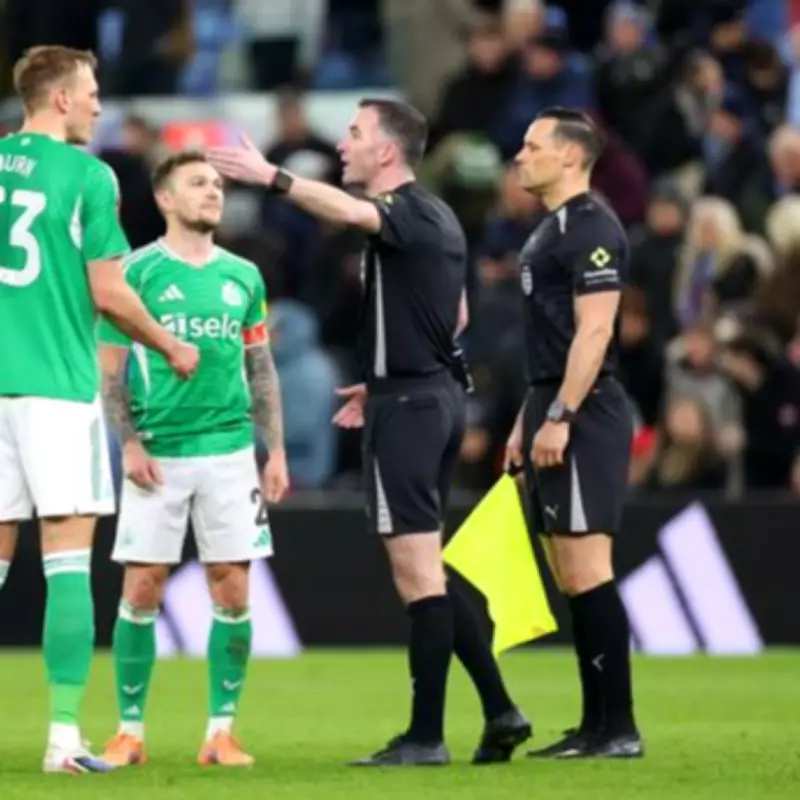
Referee Chris Kavanagh's decision at Villa Park, involving a contentious handball call, was a prime example of a major gaffe. Similarly, an offside decision in the Manchester City match was so blatantly incorrect that it drew embarrassment from fans and pundits alike. These incidents underscore that referees, like players and managers, are under intense scrutiny, but their errors can have more immediate and impactful consequences on game outcomes.
Some have argued that referees face harsher criticism compared to players or managers when mistakes occur. This notion is, frankly, absurd. Players who miss crucial chances or make poor tackles are often vilified in the media, with their errors dissected repeatedly. Managers, too, face relentless pressure, with chants of dismissal echoing from the stands. Referees are integral to the sport, and while abuse is unacceptable, accountability is part of the professional landscape.

The Role of VAR and Its Limitations
VAR has been introduced to reduce human error, but its effectiveness depends entirely on the competence of those operating it. The weekend's blunders occurred in matches without VAR, revealing that refereeing standards have potentially declined due to over-reliance on technology as a crutch. In the Premier League, where VAR is used, interventions have decreased, yet fans can still spot inconsistencies with their own eyes.
This situation calls for a dual approach: embracing VAR to aid decision-making while simultaneously investing in better training and development for referees. After all, technology is only as good as the people behind it. Referees must sharpen their skills to handle high-pressure situations independently, ensuring that even without VAR, they can make accurate calls.
Moving Forward: A Call for Action
The FA Cup incidents serve as a wake-up call for football authorities. It is imperative to address the root causes of poor officiating, rather than merely masking problems with technology. Referees need ongoing support, education, and transparent evaluation processes to elevate their performance. Fans deserve a game where outcomes are decided by skill, not by avoidable errors.
In conclusion, while VAR is a necessary tool in modern football, it must be complemented by a concerted effort to improve refereeing standards. The sport's integrity hinges on fair play, and only through enhanced training and accountability can we ensure that referees meet the demands of top-level competition.