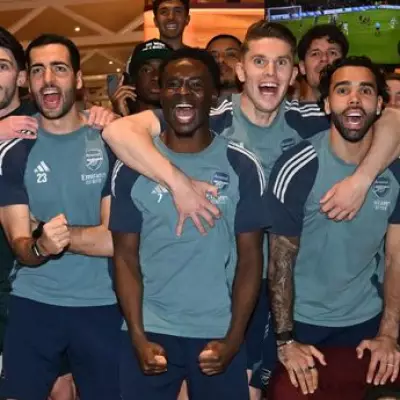
The remarkable success of English clubs in this season's UEFA Champions League has become a dominant narrative in European football, with five Premier League teams occupying positions in the competition's top eight at this crucial stage. Only Manchester City find themselves outside this elite group, and that distinction comes down purely to goal difference rather than points.
Unprecedented Premier League Strength in Europe
This extraordinary concentration of English clubs at the business end of Europe's premier club competition raises significant questions about the evolving balance of power in continental football. The Premier League's financial might, combined with tactical sophistication and squad depth, appears to be creating a widening gap between English clubs and their European counterparts.
Midweek Champions League Action Highlights English Quality
Wednesday night's fixtures provided further evidence of this growing dominance. Liverpool secured a convincing victory against Marseille, with the French side appearing to forget their defensive organisation entirely. Newcastle United continued their impressive European campaign with Harvey Barnes scoring yet another spectacular goal, demonstrating the individual quality scattered throughout Premier League squads.

Chelsea, while ultimately victorious against Pafos, made what observers described as "heavy weather" of their win, suggesting that even when English teams aren't at their fluent best, they still possess the resilience and quality to secure results in Europe's toughest competition.
What This Means for European Football's Future
The concentration of Premier League clubs in the Champions League quarter-finals prompts serious discussion about the competition's competitive balance. Some analysts suggest this could lead to calls for reform of European football's financial structures, while others point to the Premier League's global appeal and broadcasting revenues as creating a virtuous cycle of investment and success.
Beyond the Champions League: Domestic and International Context
The Football Weekly Extra podcast, hosted by Max Rushden with analysis from Jonathan Liew, Lars Sivertsen and Paul Watson, also looked ahead to the coming Premier League weekend fixtures. The discussion extended beyond club football to examine the Greenland Football Association's ongoing quest for official recognition, highlighting how football's governance structures continue to evolve globally.
Listeners' questions were addressed throughout the episode, creating a comprehensive analysis of both the immediate results and broader trends shaping modern football. The podcast format allows for deeper exploration of tactical nuances, financial implications, and the human stories behind the statistics.
This season's Champions League has become a showcase for Premier League strength, but it also serves as a barometer for European football's health. As English clubs continue to invest in world-class talent and infrastructure, their continental rivals face increasing pressure to innovate and compete financially. The coming rounds will reveal whether this English dominance represents a temporary surge or a more permanent shift in European football's power dynamics.