The Vanishing Breed: English Goalkeepers in Premier League Peril
For those who remember the legendary duels between Peter Shilton and Ray Clemence for England's number one jersey, or the enduring legacy of Gordon Banks, a recent revelation has struck a sobering chord. Sky Sports pundit Jamie Carragher, in the company of Edwin van der Sar, unveiled his all-time top 10 Premier League goalkeepers list, and it featured only a single Englishman.
A Lone Englishman in the Pantheon
That honour fell to David Seaman, whose final appearance dates back over 22 years. This sparked the usual barroom debates, with Neville Southall, ranked eighth on Carragher's list despite being past his prime when the Premier League launched, voicing dissent. Southall argued for the inclusion of Tim Flowers and Joe Hart, yet Flowers retired before Seaman, and Hart's case hinges on pre-2016 form before losing his spot at Manchester City.
Since then, top-flight English goalkeepers have become critically endangered. In the latest Premier League fixtures, only three started: Jordan Pickford at Everton, Dean Henderson at Crystal Palace, and Nick Pope at Newcastle. Just six have made appearances all season, a sharp drop from 13 last season, with Sam Johnstone, James Trafford, and Aaron Ramsdale rounding out the list.

A Statistical Freefall
These six combined have managed merely 97 appearances, on track for a significant decline from last season's 181 and potentially setting a new low, currently at 134 in 2013/14. Contrast this with the inaugural 1992/93 season, where 28 different English goalkeepers made 571 appearances—a world apart.
The driving force behind this shift is the internationalisation of the Premier League. Overseas players flock to England, scouted by global sporting directors and facilitated by international agencies, all lubricated by billions in revenue. They play under foreign managers with international goalkeeping coaches, who bring their own biases about what constitutes a top keeper.
Club Decisions and National Implications
This trend does little to aid the England team, yet when England appoint a German head coach in Thomas Tuchel and a Portuguese goalkeeping coach in Hilario, complaints about club operations ring hollow. Examples abound: Sunderland replaced local keeper Anthony Patterson with Dutch star Robin Roefs for £9 million, a move that paid off with survival in the Premier League. Similarly, Burnley and Leeds opted for foreign signings over English options.
Academy coaches claim to produce promising goalkeepers at 18, but progress stalls beyond that point. The problem is exacerbated for keepers, as only one can play per team, unlike outfield players who might get minutes in various positions. Rarely do young keepers like Tommy Setford get bench experience, as he did for Arsenal.
The Development Dilemma
Premier League academies cream the best talent but offer few senior opportunities to hone skills. Goalkeepers need regular competition to develop, make mistakes, and handle pressure. However, club wealth allows bypassing this risk by importing polished foreign keepers, while English backups often fill home-grown quota roles.
Brighton has built a reputation for developing keepers, with Carl Rushworth and James Beadle on loan, while others like Sol Brynn and Michael Cooper thrive in the Championship. Yet, if their clubs win promotion, will they avoid Patterson's fate? Can they secure Premier League moves, or will overseas technical experts favour European-educated keepers?
Future Directions and Solutions
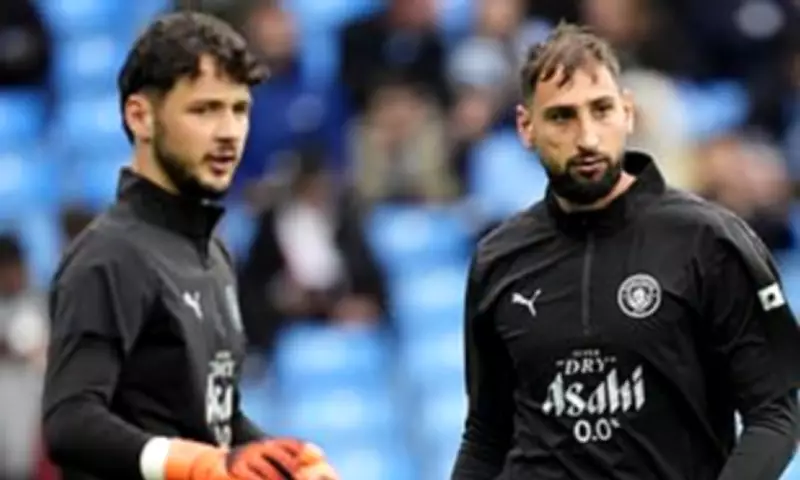
The art of goalkeeping may shift again, with trends possibly moving from ball-playing keepers to commanding figures like Gianluigi Donnarumma. Additionally, keepers might reconsider trading regular play for Champions League bench roles, as seen with James Trafford. Multi-club systems could offer solutions by placing developing keepers at sister clubs for more control over appearances and style.
James Wright, an Aston Villa backup, spent last season at Spanish club Real Union under the same ownership. However, while English outfield players have started filtering across Europe, goalkeepers have not, making this a difficult cycle to break.

In summary, the decline of English goalkeepers in the Premier League is a multifaceted issue, driven by internationalisation, club strategies, and developmental challenges, posing serious questions for the future of the national team.