Dylan Pietsch: Finding Balance Through Art and Rugby
Dylan Pietsch, a winger for the Western Force and Wallabies, reveals that art and rugby serve as powerful means to "give back and help people move forward." The Wiradjuri-Burray man emphasizes that painting keeps him grounded, allowing him to navigate the intense world of professional sports while staying connected to his cultural roots.
Art as a Spiritual Anchor
In 2020, Pietsch embarked on a deeply personal project, painting the boots of his Australian rugby sevens teammates for the Tokyo Olympic Games. He spent days applying thousands of dots, representing songlines from his ancestors that depict forests, flood plains, rivers, and water holes. "Traditional art compels you to be present for each and every dot," says the 27-year-old. Despite the physical strain—his vision swimming from the effort and perhaps the paint fumes—he found that painting helped him leave rugby's intensity behind, fostering creativity and spirituality. "Painting really keeps my head level," he adds.
Overcoming Mental Health Struggles
Pietsch's journey hasn't been without challenges. In 2019, he faced severe mental health issues, including sleepless nights, crying jags, and a suicide attempt. He now openly shares these experiences with schools, charities, and Indigenous communities across Australia. "People think professional athletes are hard-nosed and mentally strong, but the truth is we're as vulnerable as anyone," he explains. Pietsch continues to deal with depression but relies on tools like painting, meditation, and journaling to stay grounded. He encourages others to speak up, noting that releasing emotions and having authentic discussions can be life-changing. "Mental health still carries a stigma, but if my speaking up can help one kid make some changes or protect themselves, I'm proud," he says.

Rugby Success and Cultural Pride
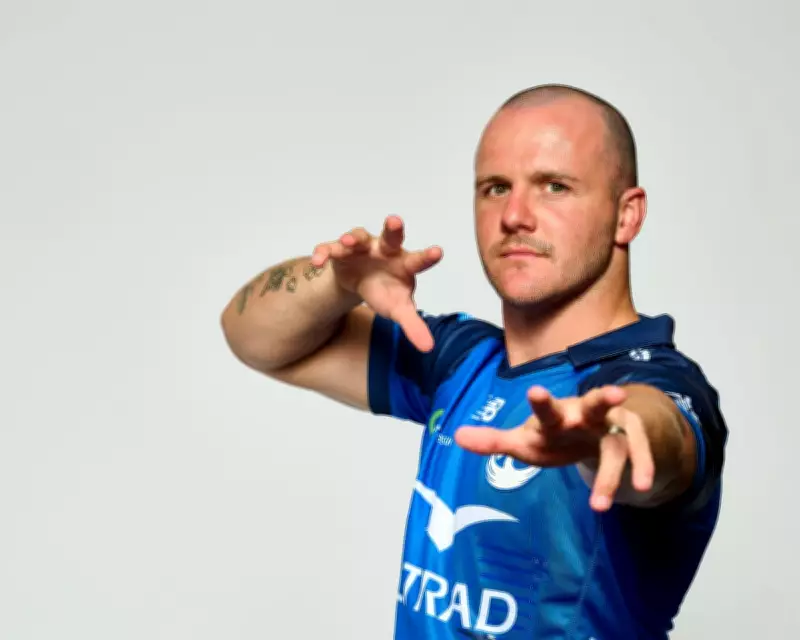
In 2024, Pietsch became the 15th Indigenous man to wear the Wallaby gold. His first try in Australia's win over the British & Irish Lions in Sydney was a sensational moment, celebrated with an arrow gesture—a Wiradjuri symbol of survival, resistance, and connection. Wearing a special Indigenous jersey he painted, Pietsch's performance, including powerful tackles on Lions players Tommy Freeman and Bundee Aki, inspired a 22-12 victory. "I love the physical side of rugby—making big hits, running over people, carrying on," he shares. "It energizes me, and I love how I can energize others."
Setbacks and Resilience
Pietsch's resilience was tested in 2025 when he suffered a broken jaw during a tackle on Springboks captain Siya Kolisi, requiring four metal plates and 18 screws. The injury led to vertigo, delaying his Test return until October. "Three days in hospital and eight weeks wired up barely able to talk and eat," he recalls. During his recovery, he married his partner Ella, also a Force player, and expanded his art to canvases, creating commissioned works that symbolize connection and family.
Looking Ahead to 2027 World Cup
As Pietsch prepares for the 14-Test 2026 season and a home World Cup in 2027, he faces competition from other star wingers like Max Jorgensen, Mark Nawaquanitawase, Harry Potter, and Corey Toole. However, his unique blend of aggression, authenticity, and speed, fueled by his artistic and cultural practices, sets him apart. "Since connecting to culture through painting, I've got the balance right," Pietsch concludes. "Win or lose, rugby can't change me. I'm a freer spirit. Art has taught me that rugby is a way of being rather than a way of doing."