The sacking of Mauricio Pochettino by Tottenham Hotspur chairman Daniel Levy, just five months after the manager led the club to a Champions League final, underscores the primacy of financial considerations at the north London club. Levy, whose ownership structure is tied to currency trader Joe Lewis via the Bahamas, faces the burden of financing the club's new stadium, a project that has pushed borrowing to £637 million.
Pochettino's dismissal, described as a move to give new manager José Mourinho time to implement his methods, reflects the intense pressure to secure Champions League qualification. For Spurs, participation in Europe's elite competition is no longer a bonus but a near-requirement, given the revenue it generates. In the 2017-18 season, the club received €61 million from Uefa; last season's run to the final is expected to have yielded over €80 million, with additional income from gate receipts and sponsorships.
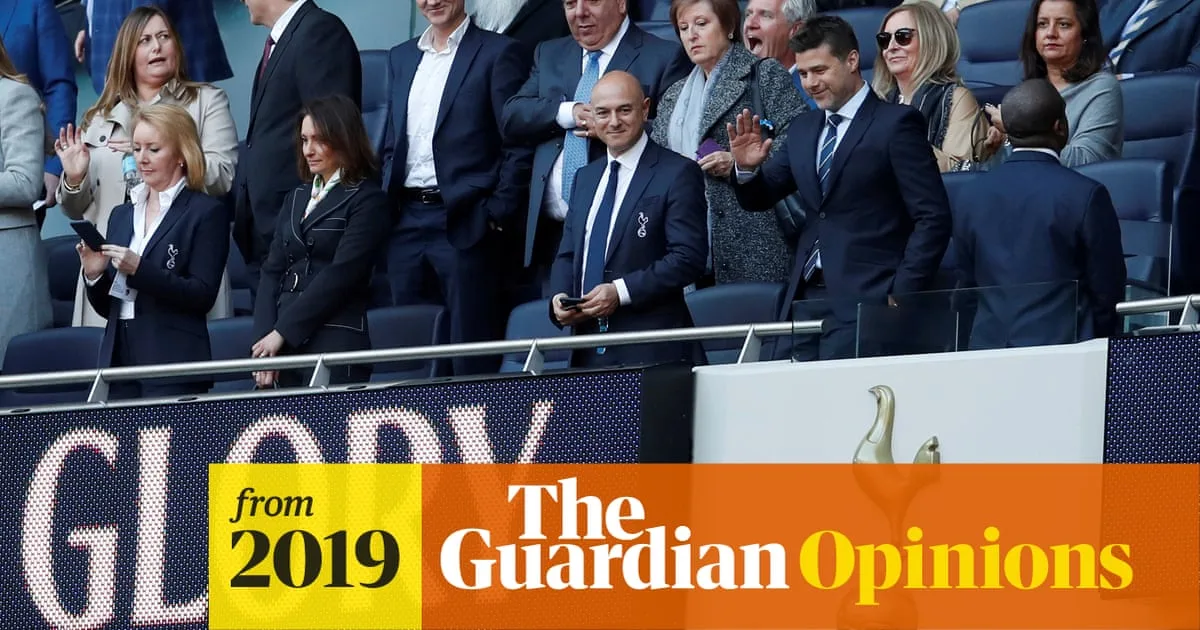
Levy's business-first approach stands in contrast to the club's historical ideals, as expressed by 1961 Double-winning captain Danny Blanchflower, who said: 'The game is about glory, it is about doing things in style and with a flourish.' Pochettino's tenure embodied that spirit, with emotional victories over Manchester City and Ajax en route to the final. But Levy, shown applauding Pochettino's tears on the pitch, has acted with 'brutal swiftness' to protect the club's financial model.
The decision highlights how modern football's financial architecture, driven by television deals and global investment, has transformed clubs into corporations. For Spurs, the new stadium has elevated the stakes, making Champions League revenue essential to balance the books. Pochettino, a victim of his own overachievement in securing consecutive top-four finishes, leaves as a reminder that in the Premier League's top six, missing out on Champions League qualification carries a 'football and financial hit closest to relegation'.