Heading a football “likely” contributed to the brain injury that was a factor in the death of former Scotland defender Gordon McQueen, a coroner has found. McQueen, who played for Manchester United and Leeds during a 16-year career, died at his home in North Yorkshire in June 2023, aged 70.
The inquest in Northallerton, North Yorkshire, was told this month that the cause of death was pneumonia, as he had become frail and bed-bound for months. Coroner Jon Heath said in a narrative conclusion that this frailty was due to a combination of vascular dementia and chronic traumatic encephalopathy (CTE). He stated: “It is likely that repetitive head impacts sustained by heading the ball while playing football contributed to the CTE.”
McQueen’s daughter, TV presenter Hayley McQueen, was in court to hear the findings. She recalled her father saying: “Heading a football for all those years probably hasn’t helped.” She noted that during his career, he sustained concussions but would “just head back out and play,” and sometimes came home from training needing to lie in a darkened room with a headache.
McQueen’s family donated his brain to Prof Willie Stewart, a consultant neuropathologist at Queen Elizabeth University Hospital in Glasgow, who has researched brain injury in footballers and rugby players. Stewart told the inquest he found evidence of CTE and vascular dementia. He agreed that the CTE “more than minimally, negligibly or trivially” contributed to the death and that heading the ball contributed to the CTE, based on McQueen’s “high exposure” to heading.
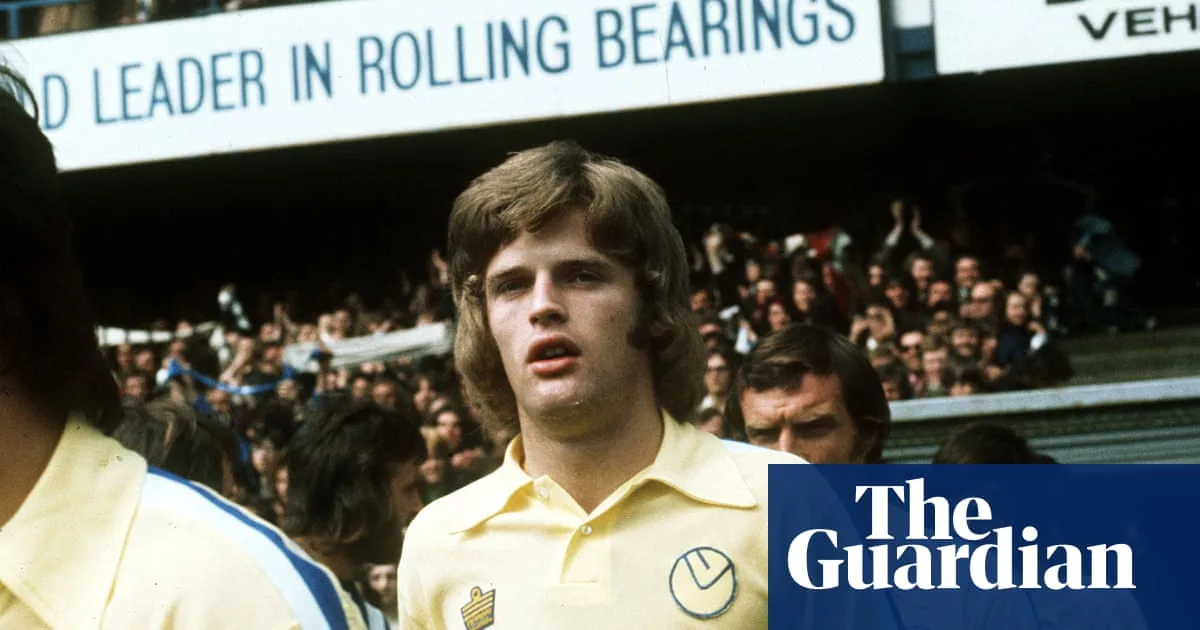
McQueen came to prominence after joining Leeds from St Mirren in 1972, helping the club win the league title in 1973-74 and reach the European Cup final in 1975. He moved to Manchester United in 1978 and won the FA Cup in 1983. After retiring, he managed Airdrie, coached at St Mirren and Middlesbrough, and became a pundit on Scottish TV and Sky Sports.