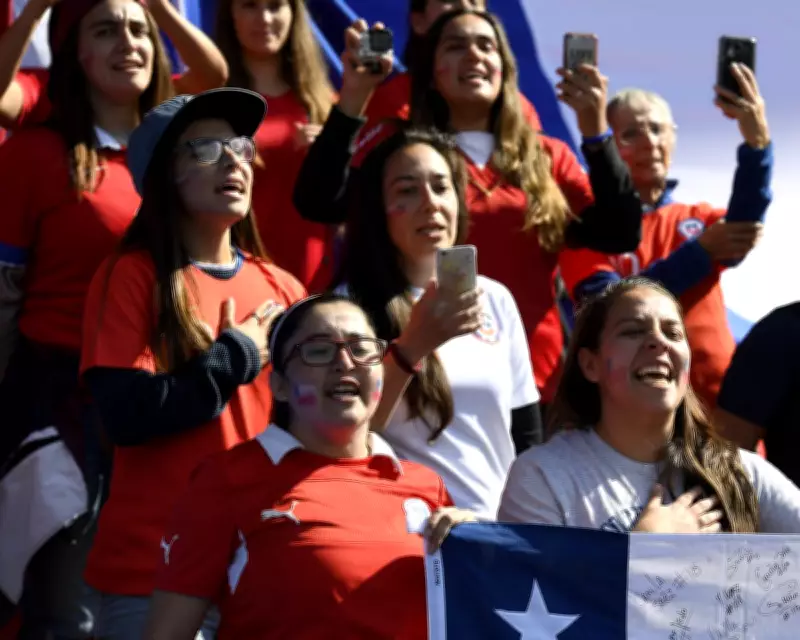
Chilean Women's Football Players Union: A New Era of Advocacy
The Chilean women's football players union is making significant strides in reshaping the landscape of the sport, moving the goalposts for gender equality and player rights. This grassroots movement, led by athletes themselves, is challenging long-standing disparities in pay, working conditions, and professional recognition within Chilean football.
Addressing Systemic Inequalities
At the heart of the union's efforts is a push for equitable treatment compared to their male counterparts. Players are advocating for improved salaries, better access to training facilities, and enhanced medical support. The union highlights that many female footballers in Chile face financial instability, often juggling multiple jobs to sustain their careers, while male players enjoy more lucrative contracts and sponsorships.
Key demands include:

- Minimum wage standards for professional women's football players.
- Investment in youth development programs to nurture future talent.
- Transparent governance and inclusion in decision-making processes.
Inspiring Global Change
The Chilean union's activism is part of a broader global trend, with similar movements emerging in countries like Spain, the United States, and Australia. By organizing collectively, players are leveraging their influence to negotiate with football federations and clubs, aiming to secure binding agreements that protect their interests.
This movement not only seeks immediate improvements but also aims to foster a cultural shift, promoting women's football as a viable and respected career path. Success in Chile could set a precedent for other nations, encouraging more unions to form and advocate for change.
Challenges and Future Prospects
Despite progress, the union faces obstacles, including resistance from traditional football institutions and limited funding. However, growing public support and media attention are bolstering their cause. The players emphasize that achieving equality is not just about fairness but also about enhancing the quality and popularity of the sport.
Looking ahead, the union plans to expand its membership, engage in more public campaigns, and collaborate with international organizations to amplify its voice. Their efforts underscore the power of collective action in driving social and professional transformation in sports.