Chelsea's Structural Crisis Overshadows Managerial Uncertainty
Liam Rosenior faces an increasingly precarious position at Chelsea following the club's worst league run in over a century, but the fundamental problems at Stamford Bridge extend far beyond the manager's office. The decision to sack another manager would merely redirect blame rather than confront the uncomfortable realities undermining the club's foundations.
A Manager Caught in the Crossfire
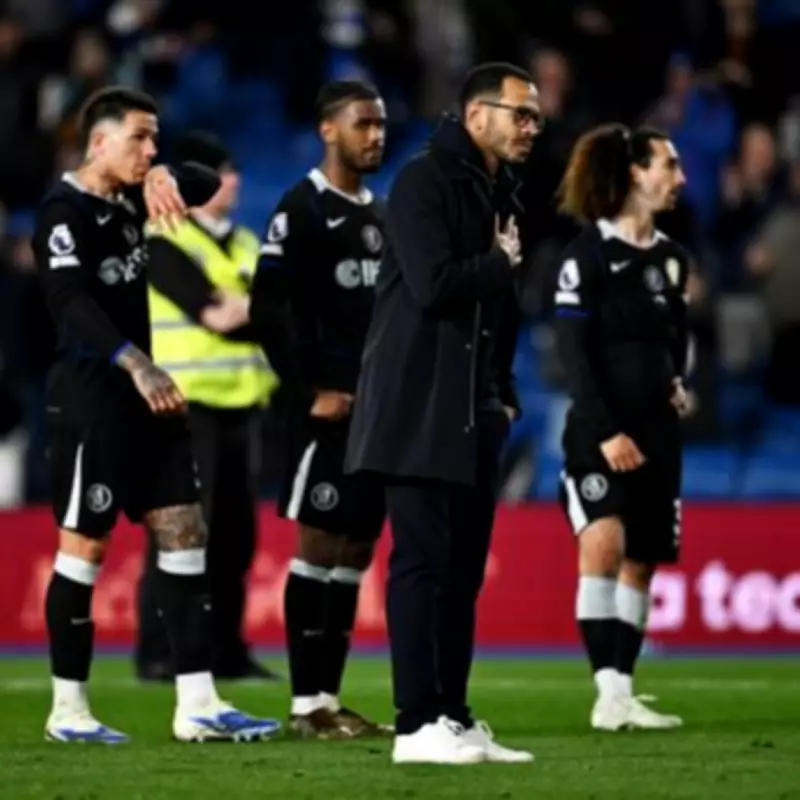
Rosenior has been in charge for just over 100 days since his January 6 appointment, yet he has already become the latest scapegoat during Chelsea's dramatic decline. His public criticism of players after Tuesday's 3-0 defeat to Brighton represented a significant gamble, yet many observers believe such frank assessment was long overdue.
Chelsea co-owner Behdad Eghbali witnessed the anti-hierarchy chants firsthand at the AmEx Stadium and subsequently participated in Wednesday's training ground discussions about potential managerial changes. With merely four games remaining and an FA Cup semi-final against Leeds at Wembley approaching this Sunday, the club faces critical decisions about whether to persist with Rosenior or pursue a high-profile replacement.

Systemic Failures Beyond the Touchline
The silence emanating from Chelsea's leadership has grown deafening, creating an increasingly ominous atmosphere for Rosenior, who appears to be navigating this crisis as a dead man walking. While the immediate focus centers on managerial fate, the club's issues penetrate much deeper into its operational philosophy.
Chelsea's player acquisition strategy has prioritized financial assets over football character, creating a dressing room lacking genuine leadership and accountability. The treatment of Enzo Fernandez exemplifies this dysfunction - dropped for two matches after flirting with Real Madrid, with Rosenior forced to publicly explain a club decision that leadership refused to address directly.
Leadership Void in a Billion-Pound Squad
Despite exceeding £1 billion in transfer expenditure, Chelsea fields error-prone goalkeeper Robert Sanchez while struggling to identify genuine leaders within their ranks. Reece James leads through on-pitch example but lacks vocal presence, while injured defender Levi Colwill's absence has further exposed the team's structural weaknesses.
The injury crisis plaguing Chelsea this season raises serious questions about squad management, with Cole Palmer, Joao Pedro, and Romeo Lavia among numerous key players spending extended periods in treatment. While the expanded Club World Cup and relentless schedule contribute to these physical setbacks, the frequency and severity of injuries suggest deeper systemic issues.
Business Model Versus Football Ambition
Chelsea has increasingly operated as a player trading enterprise rather than a serious football institution focused on sustained success. The club's model prioritizes young talents with potential resale value through lengthy contracts, but this approach has created a stark deficiency in experienced leaders and strong characters essential for navigating challenging periods.
This fundamental misalignment between business strategy and football ambition explains why Rosenior felt compelled to publicly challenge his players. The manager's outburst reflects not personal failure but institutional dysfunction that has seen Chelsea sack managers like Enzo Maresca despite European trophy success and Champions League qualification.
The club established impossible standards through such decisions, making Rosenior's appointment and potential dismissal represent organizational failure rather than managerial inadequacy. Until Chelsea addresses these core issues of player character assessment, leadership development, and strategic coherence, changing managers will remain merely cosmetic treatment for profoundly structural ailments.