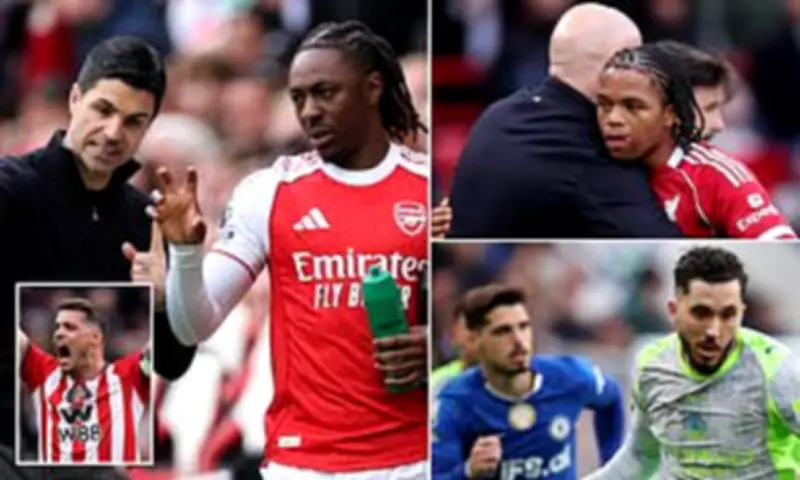
Strength and certainty have formed the bedrock of Mikel Arteta's six-and-a-half-year tenure at Arsenal. Without these qualities, he could not have steered the club away from the identity crises that marked the latter stages of Arsene Wenger's reign and the brief, turbulent period under Unai Emery. Arteta inherited a squad possessing talent but critically lacking the mental fortitude and physical durability required for sustained success.
Arteta's Legacy and the Weight of Expectation
To many observers, Arteta's legacy at the Emirates Stadium is already secure, irrespective of whether he adds further silverware to the FA Cup triumph achieved just six months into his managerial role back in August 2020. He has restored Arsenal's relevance and re-established them as a formidable force in English football. However, there are moments when a manager must acknowledge potential missteps. As Arsenal brace for a pivotal week featuring a Champions League quarter-final second leg against Sporting Lisbon and a Premier League showdown at Manchester City, questions arise about whether the squad is buckling under the immense pressure of a two-decade league title drought.
The Psychological Battle on and off the Pitch
Experiencing pressure is inherent in high-stakes football; every player contends with it, regardless of public assurances. Yet, when tension escalates to peak levels, the manager's role as a buffer and stabiliser becomes paramount. Has Arteta consistently fulfilled this function at Arsenal? The evidence suggests room for doubt.

Recall Arsenal's 3-1 victory over Liverpool in February 2024, where players celebrated as if clinching the championship, with midfielder Martin Odegaard capturing crowd photographs post-match. Similarly, after a 5-1 demolition of Manchester City, young star Myles Lewis-Skelly emulated Erling Haaland's goal celebration. On both occasions, the league title remained elusive.
More recently, Arteta's pre-match exhortation to fans before a home game against Bournemouth—urging them to "get up early, have an early breakfast, bring your lunch, bring your dinner, and let's all go together for it"—was followed by a meek defeat. This approach seems puzzling, given that Emirates Stadium crowds hardly require additional motivation; their desperate yearning for success permeates the atmosphere on match days.
The Manager's Touchline Persona
On the sidelines, Arteta embodies this fervour, constantly in motion and vocal. While this visible, sometimes performative, passion energises supporters, it raises questions about its impact on the team. The Emirates faithful feed off this emotion, rendering pre-game rallies unnecessary. Notably, during the Bournemouth loss, Arteta's gesture for fans to "calm down" ironically highlighted the cycle of hyper-stimulation engulfing the club.
Passion, adrenaline, and emotion are integral to football, and no one would deny Arteta and his players a celebration should they secure Champions League or Premier League glory this season. A lingering suspicion persists that Arsenal might still clinch the title, but immediate change is imperative. The squad requires key figures to step up—beyond goalkeeper David Raya, who stands out—yet recent performances indicate a contraction rather than expansion in crucial moments, a responsibility ultimately resting with the manager.
Broader Premier League Context and Opportunities
When queried about his team's title prospects after a victory over Chelsea, Manchester City's Pep Guardiola snapped his fingers, emphasising how quickly fortunes can shift. Arsenal currently lead Sporting in their European tie and top the Premier League table, so opportunity remains within grasp. However, Arteta must urgently alter the mood and tone within the dressing room to avert a downward spiral.
His ability to effect this change will ultimately define the legacy he leaves behind. Meanwhile, other Premier League narratives unfold, such as Liverpool's Arne Slot earning praise for his handling of young talent Rio Ngumoha, and Bournemouth's impressive form post-Antoine Semenyo's departure. The league's relentless schedule, driven by television revenues, contrasts with more accommodating European counterparts, underscoring the unique challenges English clubs face.

At Chelsea, Liam Rosenior's long-term vision clashes with the club's demand for immediate results, while players like Cole Palmer and Phil Foden face uncertain international futures. Emerging stars like Manchester City's Rayan Cherki exemplify the blend of talent and work ethic required for success, drawing comparisons to Kevin De Bruyne. As the season climax approaches, managerial decisions and player performances will shape not only titles but legacies across the division.