Arsenal's International Withdrawals Reveal Deeper Issues in Modern Football
Amid the controversy surrounding Mikel Arteta's decision to withdraw Arsenal players from international duty, a more significant narrative emerges about why elite clubs are increasingly pursuing multiple trophies simultaneously. This trend sheds light on the evolving state of modern football, where the relentless pursuit of silverware exposes systemic challenges.
The Trophy Chase Intensifies
In discussions with players' representatives regarding fitness and campaign complexities, Arteta has frequently concluded with the rallying cry: "We have a title to win." However, Arsenal are not alone in this ambitious mindset. The club remains in contention for the classic treble of Premier League, Champions League, and FA Cup, while Manchester City could secure a second domestic treble.
While this elevates the stakes for upcoming FA Cup fixtures and the season's remainder, the impressive achievements of both teams mask a more fundamental concern. This issue revolves around managerial approaches, debates surrounding the modern Champions League, and ongoing conversations about Arsenal's injury woes.
A Statistical Shift in Trophy Pursuits
The campaigns of Arsenal and City represent the sixth and seventh instances since the 2020-21 season—essentially post-Covid—where a team has reached April still competing for at least some form of treble. In the preceding decade, only three such examples existed in the Premier League, with five in the decade before that.
This dramatic increase, paralleled only by Manchester United and Chelsea's near-complete pursuits in the 2006-07 campaign, underscores a meaningful transformation. Historical context reveals that before 2008, only four trebles involving the European Cup or Champions League had been achieved: Celtic (1966-67), Ajax (1971-72), PSV Eindhoven (1987-88), and Manchester United (1998-99).
Since 2008, however, seven trebles have occurred in 17 seasons, with Barcelona and Bayern Munich accomplishing the feat twice each. This basic comparison highlights the alarming concentration of wealth in European football and the circumstances that precipitated the Super League proposal.
Systemic Issues and Lack of Solutions
The Champions League and its surrounding ecosystem continuously funnel increasing financial resources to a select group of clubs, creating a self-perpetuating cycle. Despite occasional inquiries directed at UEFA leadership, there appears to be limited will to address these imbalances.
One senior source lamented, "There's just not much energy to actually do it." Some veteran officials attribute the changes to the Bosman ruling altering the European landscape, reflecting their long tenure in the sport. This has fostered a degree of conservatism or staleness regarding systemic reforms.
Innovative restructuring ideas remain scarce, with the same path followed for three decades, influenced by consistent figures like Florentino Pérez. Consequently, newer entities like the Union of European Clubs have proposed solutions, such as adjusting prize money distribution to enhance competitive balance.
Practical Consequences for Clubs
The expanded Champions League format has created scheduling chaos for Premier League clubs. Ironically, increased revenue from additional European matches cannot be allocated toward assembling squads capable of managing the intensified workload. English requests to expand Champions League squads beyond 25 players have been rejected, explaining why quadruples remain elusive.
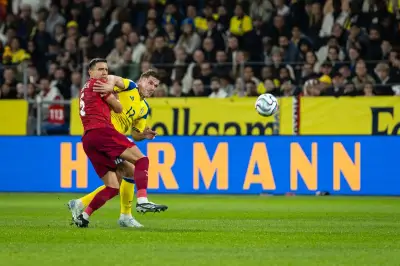
Arsenal experienced this firsthand during the Carabao Cup final, where fatigue became evident in the second half following an emotionally taxing victory over Everton and a demanding Champions League clash against Bayer Leverkusen. This context clarifies last week's international withdrawals, with Arsenal recalling ten players.
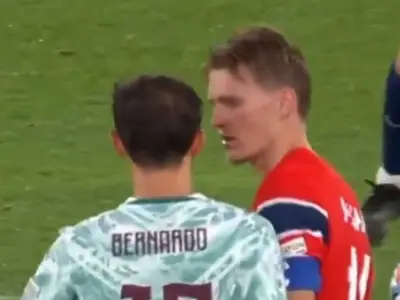
Managers like Thomas Tuchel express similar concerns about player freshness. National team staff observed that numerous Arsenal players had accumulated excessive minutes this season due to near-constant fixtures every three days. Even minor discomfort justified returning players to their clubs.
Future Implications and Congestion Concerns
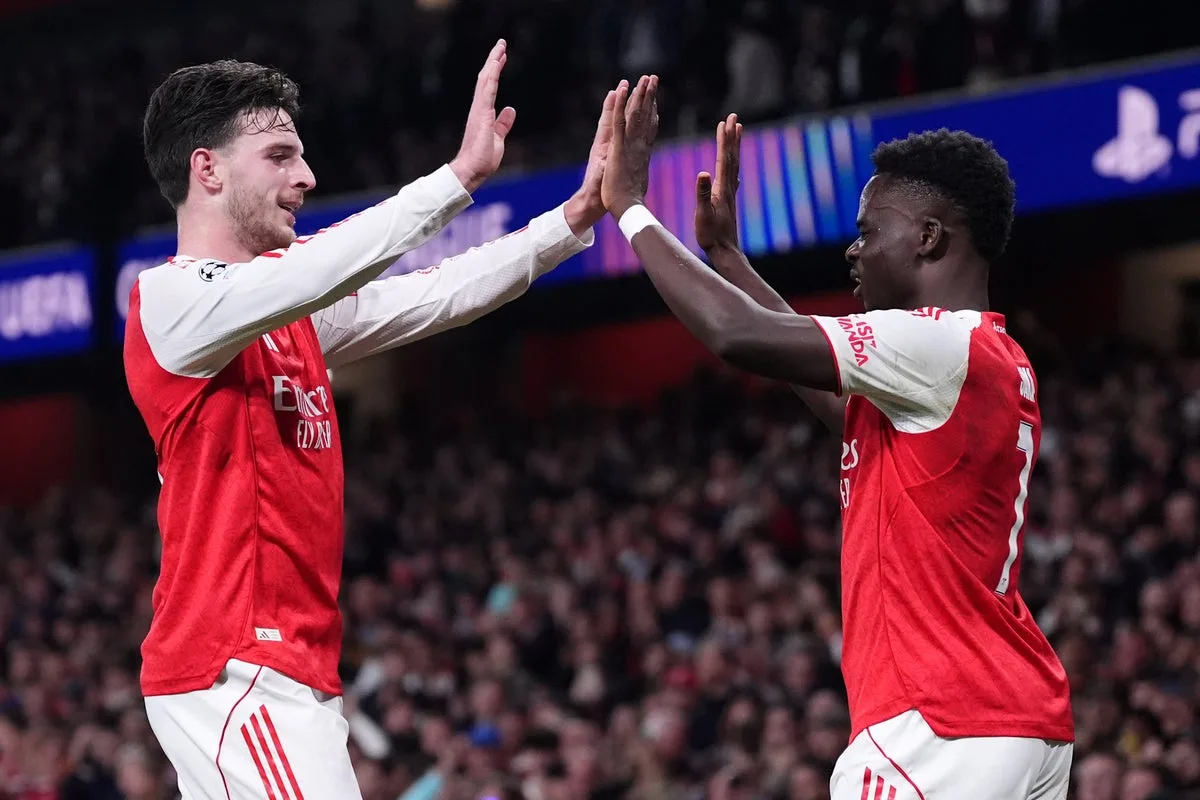
Declan Rice, for instance, approached his physical limits before the Carabao final. This scenario echoes the historical challenges faced by Don Revie's Leeds United in the 1970s, where pursuing multiple honors often yielded minimal returns.
Arteta's intensive training methods have drawn scrutiny, yet they explain why he has constructed such a deep squad. The upcoming FA Cup matches could further influence the title race, with potential semi-final appearances adding to fixture congestion. Even Manchester City face complications, with their game in hand against Crystal Palace affected by the latter's Conference League involvement.
Clubs continually devise new solutions for emerging problems, yet the relentless pursuit of trebles consistently generates the same fundamental complaint: the unsustainable demands placed on players and teams in contemporary football.