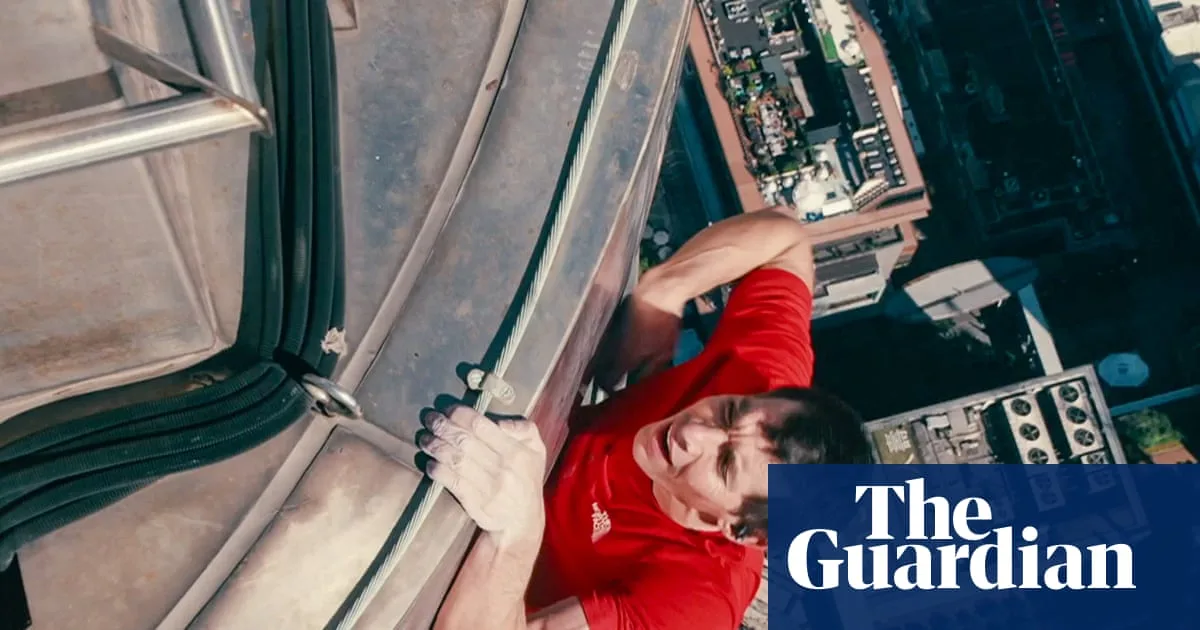
Alex Honnold's unassisted ascent of Taipei 101, broadcast live on Netflix as Skyscraper Live, has been described as the most stressful viewing experience on record. The 508-metre climb, performed without ropes, showcased Honnold's extraordinary athleticism but raised uncomfortable questions about the ethics of watching live events where death is a real possibility.
The event differed greatly from Honnold's earlier documentary Free Solo, which was edited to maximise drama. With Skyscraper Live, viewers watched an hour and a half of repetitive movements, with long periods of boredom punctuated by sheer panic. The human mind, as one observer noted, is not designed to sustain a state of panic for that long.
Taipei 101 proved to be a dramatic choice, with three distinct stages of increasing difficulty, including a moment where Honnold had to climb outward at a 45-degree angle. The climax, where he stood at the summit, induced a visceral reaction reminiscent of a parent seeing a toddler near danger.
The broadcast has sparked a broader debate about turning potential death into entertainment. While many watch Formula One for crashes, Skyscraper Live made the jeopardy explicit. The closest parallel is Felix Baumgartner's 2012 jump from 24 miles, which also left viewers questioning their own motives when things went wrong.
Netflix may hesitate to repeat the experiment. As one critic put it, the network does not want to market itself as the 'Home of People Plummeting Off Buildings'. Further live events with fatal risks—such as free diving or rooftop parkour—could turn television into a 'Victorian freak show'. For now, Skyscraper Live remains a one-off, leaving audiences both awed and unsettled.