Serena Williams' Weight-Loss Drug Use Creates Moral Dilemma Ahead of Tennis Comeback
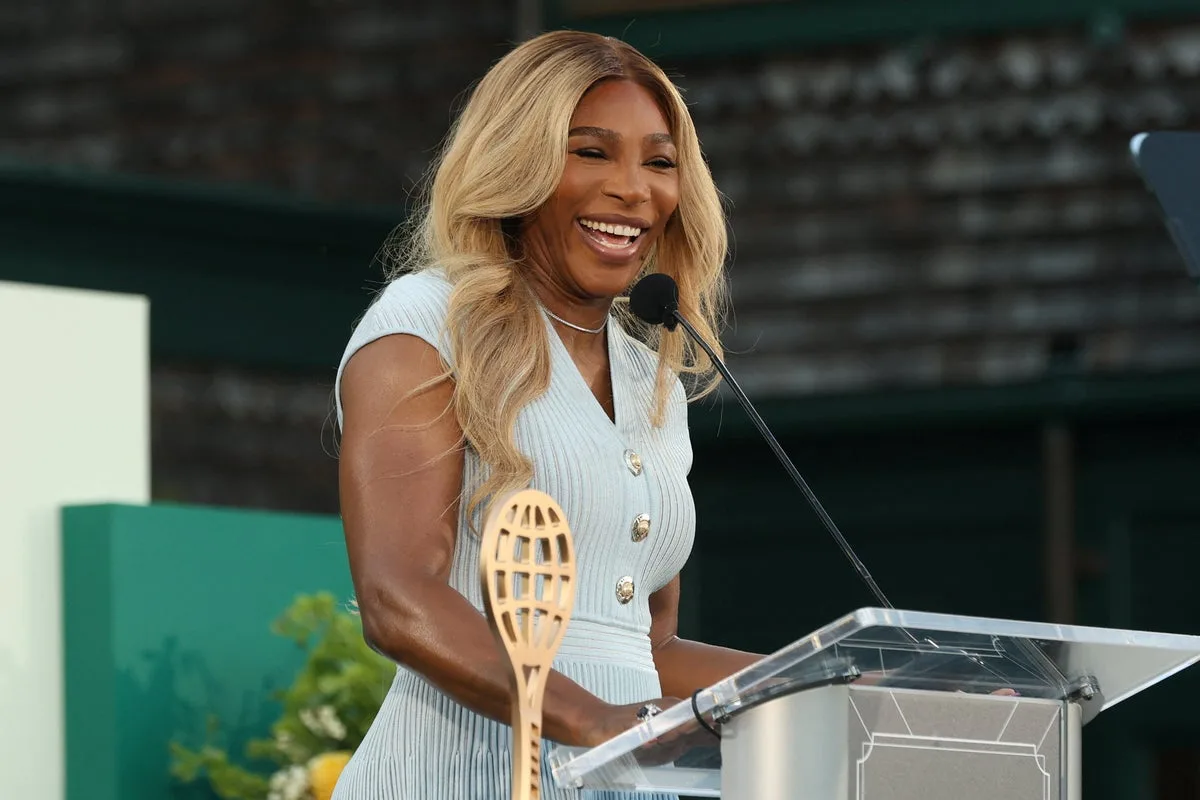
Serena Williams, the 23-time grand slam singles champion, has officially reentered the International Tennis Integrity Agency's anti-doping testing pool, making herself eligible to return to professional tennis. This development has fueled intense speculation that the 44-year-old American is preparing for an extraordinary comeback to the sport she once dominated.
The Comeback Speculation Intensifies
For the past six months, Williams has been enrolled in the rigorous anti-doping testing program, a process athletes typically only undertake when serious about competition. Her careful avoidance of the word "retirement" in 2022, instead describing her departure as "evolving away from tennis," now appears particularly significant. Following the birth of her second daughter, Adira River Ohanian, in 2023, Williams has maintained remarkable physical condition, leading many to believe her evolution might include a return to competitive tennis.
Recent comments from fellow players have added fuel to the speculation. American player Alycia Parks revealed she had practiced with Williams and stated, "She is in great shape, so I think she would kill it on tour." Williams' older sister Venus continues to compete at the highest level at age 45, nearly becoming the oldest woman to win a grand slam singles match at this year's Australian Open, providing a compelling precedent for Serena's potential return.
The Weight-Loss Drug Controversy
Any potential comeback announcement would arrive amid Williams' prominent role as a spokesperson and user of injectable weight-loss drugs. The 44-year-old recently starred in a Super Bowl commercial for healthcare provider Ro, documenting how she lost 34 pounds (15.4 kilograms) in a year using GLP-1 medications like Zepbound (known as Mounjaro in the UK).

Williams has described the drugs as "another tool to support my health journey," revealing she struggled to lose weight even while competing in grand slam finals after her first pregnancy. "It's not a shortcut, it's not a copout," she emphasized during media interviews last August. However, her husband, Reddit co-founder Alexis Ohanian, is an early investor in Ro and sits on the company's board, creating potential conflicts of interest.
Body Image and Performance Enhancement Concerns
Throughout her record-breaking career, Williams' body has been subject to constant commentary. While she has championed body positivity, stating "I love how I look. I am a full woman and I'm strong, and I'm powerful, and I'm beautiful at the same time," her promotion of weight-loss injections has created discomfort among supporters who see her as a symbol of body acceptance.
The World Anti-Doping Agency (WADA) has added GLP-1 drugs to its monitoring program and is collecting evidence on whether they could be abused by athletes for unfair advantage. WADA would consider banning these medications if evidence emerges of performance enhancement, health risks to athletes, or violations of the "spirit of sport."
Sports scientist Daniel Reid, a senior lecturer at Loughborough University London's Institute of Sport Business, explains, "Most of the research has been done in the clinical population that should be using these drugs. They're not designed for people who want to come back into sport." Paul Morgan, a senior lecturer in human nutrition at Manchester Metropolitan University, adds that significant energy deficits from these drugs could impair muscle building, potentially harming athletic performance.
The Athletic Implications
Williams has reported experiencing less joint pain since her weight loss, which could theoretically improve movement on tennis courts and reduce stress on her knees. However, researchers caution that not all weight loss benefits athletic performance. "If you consider the mechanism of the weight loss medication, it has a significant impact on appetite and therefore significantly reduces energy intake," explains Morgan.
Williams' former coach, Patrick Mouratoglou, has suggested she might have achieved better results earlier in her career with similar physical conditioning. The 2018 documentary "Being Serena" showed Mouratoglou urging Williams to lose more weight following childbirth, an exchange she has referenced when explaining her decision to use GLP-1 medications.
The Broader Debate
Reid anticipates "an interesting scientific and policy and moral debate about where we sit on the use of GLP-1 drugs in elite athletes." He emphasizes that "those that truly need them for whatever reason shouldn't be precluded from using them, even if they are an elite athlete. Ultimately, we never know the full medical history of any athlete."
If Williams does return to competition, she would likely receive wildcard entries at major tournaments, including Indian Wells, the Miami Open, and potentially the French Open, Wimbledon, and US Open. There's even speculation about rekindling her doubles partnership with sister Venus.
One certainty remains: a comeback announcement from arguably the greatest women's tennis player of all time would create an absolute frenzy while sparking crucial conversations about ethics, performance enhancement, and the evolving relationship between pharmaceuticals and elite sports.