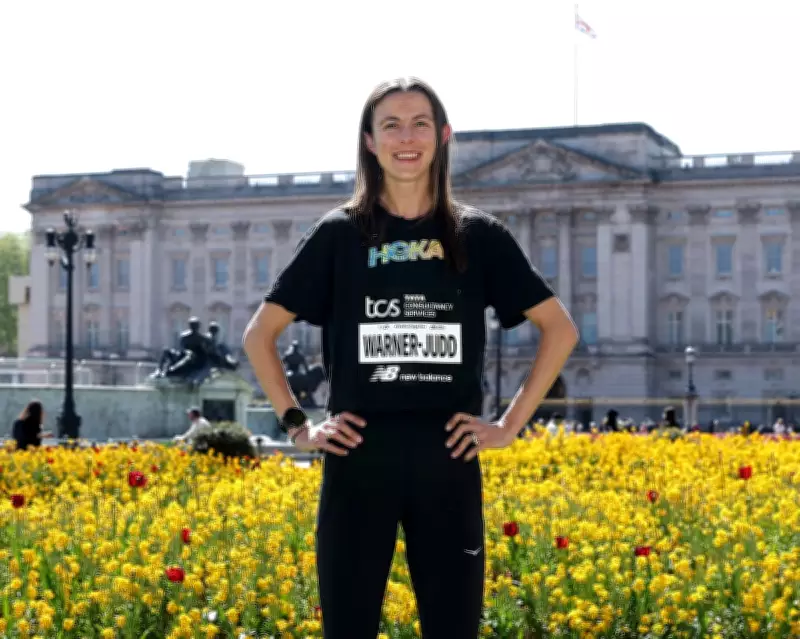
British distance runner Jessica Warner-Judd has bravely revealed her struggles with depression and the trauma therapy she underwent in the lead-up to the London Marathon. The 28-year-old athlete, who will be competing in the elite women's race on Sunday, opened up about the mental health challenges she has faced, which she says have significantly impacted her training and outlook on the sport.
A Difficult Journey
Warner-Judd, who represented Great Britain in the 10,000 metres at the Tokyo Olympics, admitted that the past year has been particularly tough. She described experiencing deep depression that left her questioning her future in athletics. The runner sought professional help and has been undergoing trauma therapy to address underlying issues that she believes contributed to her mental state.
“I’ve been struggling with depression for a while, and it got to a point where I knew I needed help,” Warner-Judd said in an interview. “The trauma therapy has been a game-changer. It’s helped me understand a lot about myself and how I react to pressure and expectations.”

Training Through Adversity
Despite the mental health hurdles, Warner-Judd has maintained her training regimen, though she admits it has been a constant battle. She credits her support network, including her coach and family, for helping her stay on track. “There were days when I didn’t want to get out of bed, let alone run. But I have a goal, and I’m determined to see it through,” she added.
The London Marathon represents a significant milestone for Warner-Judd, who is aiming to improve on her personal best of 2:28:12. She is aware that the race will be a test not only of her physical fitness but also of her mental resilience. “I don’t expect it to be easy, but I’m ready to face whatever comes,” she stated.
Raising Awareness
By sharing her story, Warner-Judd hopes to break the stigma surrounding mental health in elite sport. She believes that more athletes should feel comfortable speaking out about their struggles without fear of judgment. “We’re often seen as machines, but we’re human. We have emotions and vulnerabilities, and that’s okay,” she emphasised.
Her openness has been met with widespread support from the athletics community. Fellow runners and fans have praised her courage in discussing such personal issues publicly. The British Athletics Federation has also reiterated its commitment to providing mental health resources for athletes.
Looking Ahead
As she prepares to line up alongside some of the world’s best marathon runners, Warner-Judd is focused on the present moment. She says she is not putting pressure on herself regarding the final result, but rather aims to enjoy the experience and appreciate how far she has come. “Running the London Marathon is a privilege, and I want to soak it all in,” she concluded.
The London Marathon takes place on Sunday, with Warner-Judd among the elite field. Her story serves as a powerful reminder that mental health is just as important as physical preparation in achieving success in sport and life.