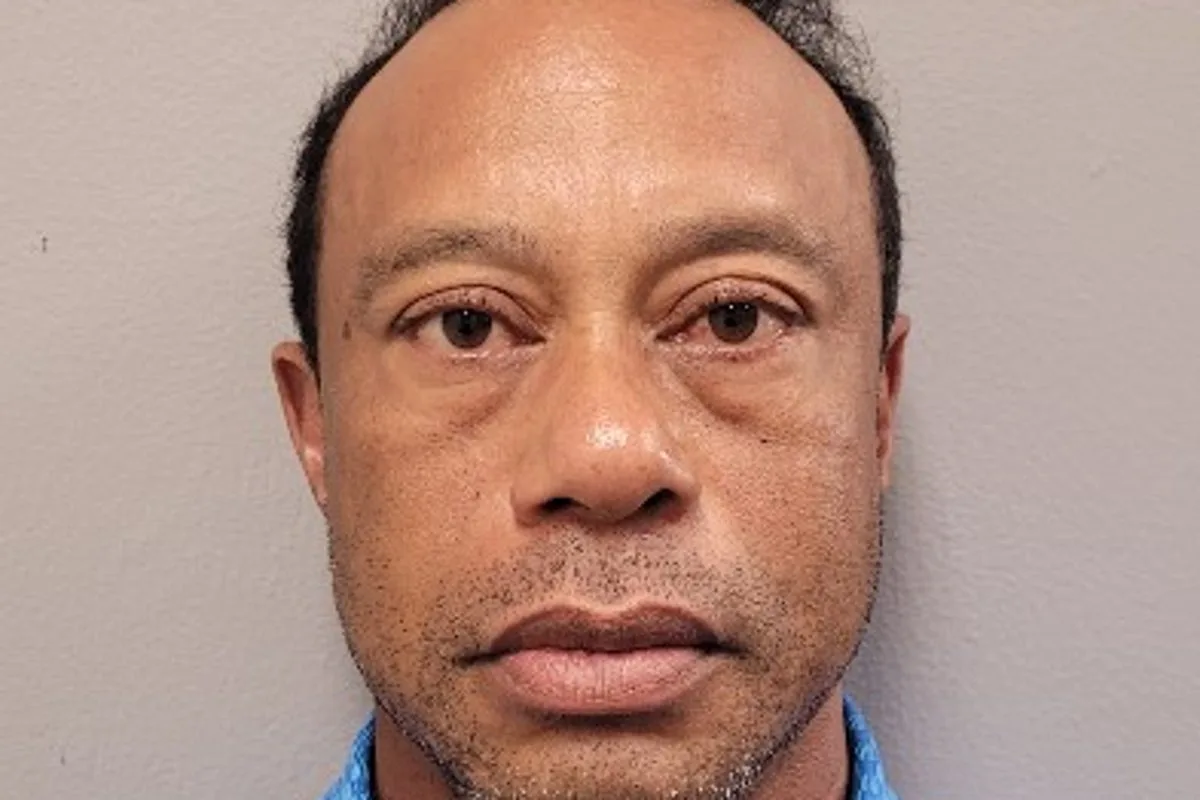
Tiger Woods will miss The Masters at Augusta National next week as he steps away from golf to focus on his health, after pleading not guilty to driving under the influence charges stemming from a car crash in Florida.
The 50-year-old was arrested on Friday after his Land Rover collided with a pick-up truck near his home. Police said Woods was observed sweating profusely, acting lethargic and slow, and had bloodshot and glassy eyes. He was found with two pills later identified as hydrocodone, a prescription opioid, and refused to submit to a urinary test for drugs, although he passed a breathalyser test.
In his first public statement since the incident, Woods said: “I know and understand the seriousness of the situation I find myself in today. I am stepping away for a period of time to seek treatment and focus on my health. This is necessary in order for me to prioritise my well-being and work toward lasting recovery.” He added that he was committed to returning “in a healthier, stronger, and more focused place” and asked for privacy for his family and loved ones.
Augusta National chair Fred Ridley confirmed Woods would not attend, saying in a statement: “Augusta National Golf Club and the Masters Tournament fully support Tiger Woods as he focuses on his well-being. Although Tiger will not be joining us in person next week, his presence will be felt here in Augusta.”
Woods, a 15-time major champion and five-time Masters winner, had recently returned to competitive action in the TGL finals and had hoped to play at Augusta. The crash came days after that appearance. He had previously been arrested on suspicion of DUI in 2017, and suffered serious leg injuries in a car accident in California in February 2021, requiring multiple surgeries. Woods has pleaded not guilty to the current DUI charges and requested a jury trial; his next court appearance is scheduled for 5 May.