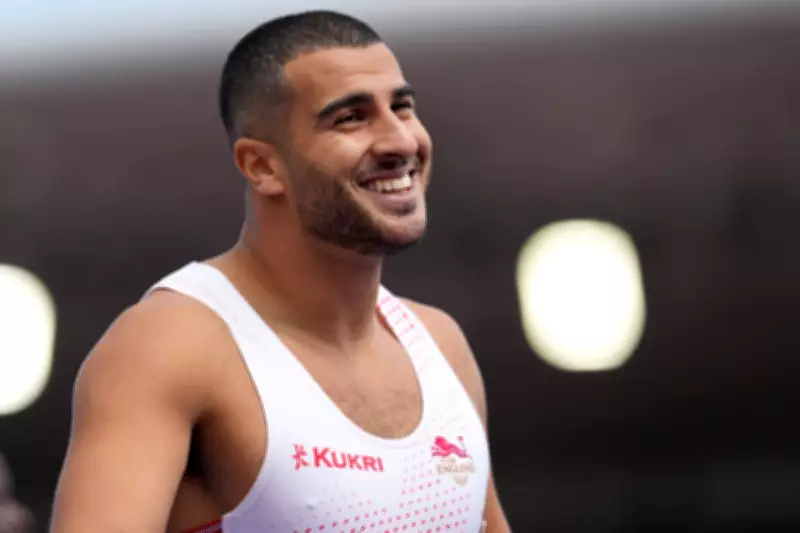
Adam Gemili, one of Britain's most celebrated sprinters, has officially announced his retirement from athletics at the age of 32, bringing an end to a distinguished 15-year career on the track. The decision marks the conclusion of a journey filled with remarkable highs and poignant lows, as Gemili now looks back on his time in the sport with a mix of pride and reflection.
Career Highlights and Olympic Regret
Gemili regards winning gold in the 4x100m relay at the 2017 World Athletics Championships in London as the pinnacle of his career. In that unforgettable race, his British team famously outpaced Usain Bolt's Jamaica, securing a historic victory that remains a cherished memory for the sprinter. However, his biggest regret stems from the Rio 2016 Olympic Games, where he finished fourth in the 200m final by a mere three thousandths of a second—a margin so slim it is less than the time it takes to blink. This near-miss for an individual Olympic medal has lingered as a source of disappointment throughout his career.
Challenges and Setbacks
Gemili's Olympic aspirations faced further hurdles at the Tokyo Games, where a torn hamstring during the warm-up forced him to compete while injured, resulting in a limping performance that dashed his hopes. These setbacks highlight the physical and emotional toll of elite athletics, underscoring the resilience required to compete at the highest level.

Life After Athletics
Following his retirement, Gemili has embarked on a new chapter, taking up a role at Chelsea Football Club where he coaches young players on speed technique. This transition leverages his expertise in sprinting to nurture the next generation of athletes. Additionally, he is considering a career as a pundit, offering insights and analysis on the sport he has dedicated his life to. Gemili's move into coaching and media reflects a common path for retired athletes seeking to stay connected to their passions while exploring fresh opportunities.
In his own words, Gemili has expressed gratitude for his career but also acknowledged the bittersweet nature of his retirement, particularly when reflecting on what might have been at the Olympics. His story serves as a testament to the highs and lows of professional sports, inspiring fans and aspiring athletes alike with its honesty and perseverance.