The UK could trigger World War 3 by responding to Russia's mounting hybrid attacks, it has been suggested. Former Kremlin foreign minister Andrei Fedorov described Britain as "evil number one" and warned that the "highest levels of the Russian government" were plotting a "hybrid attack".
Defender's dilemma
Mr Fedorov told the Daily Mail that such attacks, variously including cyber warfare, arson and sabotage, would be less likely to trigger a response from NATO than an "outright military strike". But Elisabeth Braw, of the Atlantic Council thinktank, said hybrid attacks from Moscow leave the UK in a bind, struggling to retaliate in a way that doesn't trigger wider conflict.
"I call hybrid threats the defender's dilemma because it really is the defender's dilemma," she said. "How exactly are you supposed to hit back because if you were to use military means, then you would really cause World War 3."

Russian rhetoric and past incidents
Mr Fedorov previously suggested British drone factories could be attacked by "unknown sources" and refused to "100% exclude" the prospect of "semi-military action" in response to the UK's support for Ukraine. Russia has already been linked to a number of incidents in the UK, including an arson attack on a warehouse in east London in 2024 and the attempted murder of former Russian spy Sergei Skripal and his daughter Yulia in Salisbury in 2018.
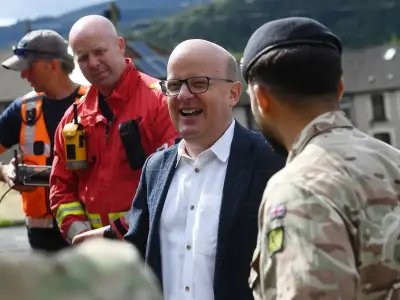
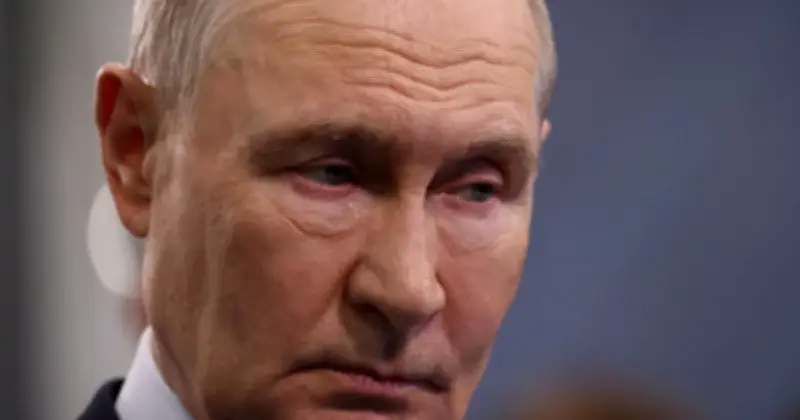
The latest comments follow Andy Burnham's visit to Kyiv on Monday, during which he announced Britain would provide Ukraine with the blueprints for long-range Scalp missiles. President Vladimir Putin's spokesperson Dmitry Peskov condemned the move, warning that it would add "fuel to the fire" of the war in eastern Europe.
Official assessment
Western officials said on Friday that the threats of hybrid attacks from Moscow were "not a new phenomenon" but part of "long-standing Russian military doctrine" that uses "hostile rhetoric" to "exploit fears" and influence decisions. They added: "We do need to be careful to distinguish what is real from what is rhetoric designed to scare and deter us. Replaying Russian threats and heightening a sense of crisis is exactly what the Kremlin wants."
Officials admitted there was a need for "vigilance" over hybrid threats but added that "our assessment remains that Russia isn't seeking direct confrontation with NATO". It comes as Russia continues to escalate the war within Ukraine with further strikes on energy infrastructure, while also facing domestic pressure as a result of strikes from Kyiv and huge battlefield losses.