Following a reported visit by CIA Director John Ratcliffe to Moscow and reports of possible Russian attacks on the West, eight scenarios for how the war in Ukraine could end have been compiled. Flight data showed a US military aircraft flew to the Russian capital, where a US diplomatic motorcade was subsequently seen. The reason for the suspected visit on Tuesday, August 25, is unclear, but it has prompted speculation.
Eight possible outcomes outlined
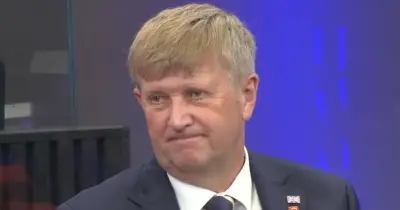
Senior fellow at the CEU in Vienna, Anton Shekhovtsov, has compiled the list of eight scenarios.
Scenario one: Russia's decisive military advantage - Russia would take full control of the four officially annexed regions and force Ukraine to negotiate from total dominance. Shekhovtsov says this is unworkable without a second mobilisation of 300-500 thousand, stronger rear air defence against Ukrainian strikes and AI-coordinated drone swarms.

Scenario two: Exhaustion of the West - Ukraine would lose Western political and financial backing if three things coincide: US support drops below 30%, Europe hits an energy crisis this winter and Ukraine has a domestic crisis. Russia would gain sanctions relief and a no-NATO-for-Ukraine guarantee. The war would stop and Ukraine would still join the EU.
Deal and stalemate scenarios
Scenario three: Trump makes a deal - Shekhovtsov says this is the most likely scenario. US President Donald Trump would pressure both Moscow and Kyiv before the November 2026 midterms. Russia would be threatened with unlimited arms to Ukraine and Ukraine with cut-off support - to freeze the conflict without a treaty, lift some sanctions and stop Ukraine from joining NATO. Shekhovtsov says this is fragile "because neither side trusts his long-term guarantees".
Scenario four: Korean-style stalemate - With no decisive breakthrough, the front stabilises and fighting fades without any formal deal. The drone war would continue. This is likely if Trump shifts focus elsewhere and leaves the EU to shoulder Ukraine's support, Shekhovtsov said. Russia would get economic respite.
Protracted war and compromise peace
Scenario five: Protracted war, 2-3 more years - This would occur if diplomacy fails completely while casualties and front-line advances stay at current levels. Ukraine would face a humanitarian and demographic collapse, while Russia fights at the limits of its economy amid falling births and skilled-worker flight.
Scenario six: Compromise peace - This would involve a full treaty with mutual concessions: Russia returns Kherson and Zaporizhzhia in exchange for recognition of Crimea and part of Donbas. Ukraine would get security guarantees and distant EU/NATO prospects (15-25 years out).
Least likely and wild card scenarios
Scenario seven: Peace on Ukraine's/Europe's terms - Shekhovtsov said this scenario is the least likely. Russia would withdraw to its 1991 borders, pay reparations and Ukraine would join NATO, with Crimea returned or negotiated. This could only follow a Russian economic collapse (GDP down over 15% with hyperinflation), a catastrophic military defeat or regime change - all of which have been deemed unlikely.
Scenario eight: "Wild Card" - In this scenario, unpredictable shocks could upend the war. These shocks could be: a Russian tactical nuclear use, a strike on a nuclear plant like Zaporizhzhia, a direct NATO-Russia clash, regime change in Moscow or Kyiv, a new Middle East war lifting oil revenues or an AI-drone or cyberattack breakthrough.