
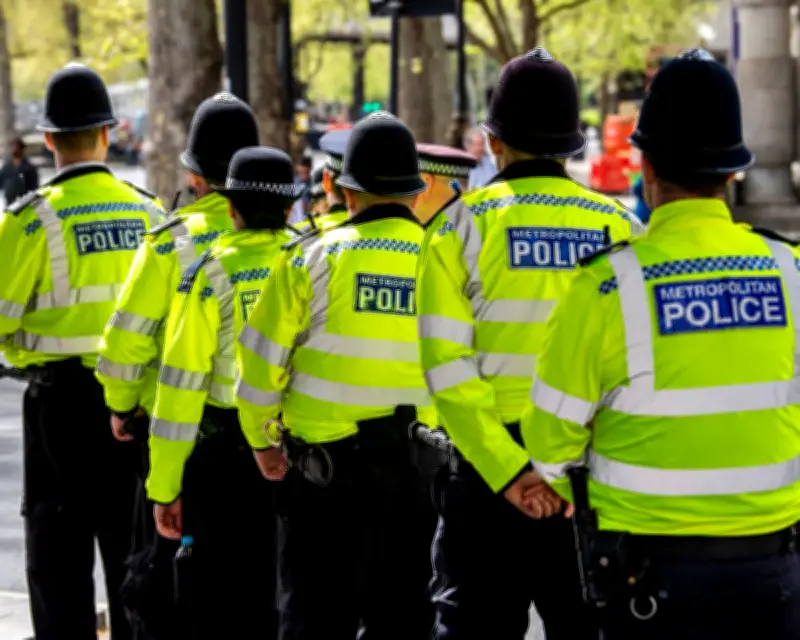
Matt Jukes, deputy commissioner of the Metropolitan police, has responded to a damning review of police leadership in England and Wales, calling for a national academy and warning against being drawn into culture wars. The review, published by the police leadership commission, concluded that leadership is not consistently of a high enough standard to deliver the service the public deserves.
Key Findings of the Review
The commission heard from thousands of officers, staff, and members of the public. It found that the way policing selects, develops, and promotes leaders is fragmented and inconsistent. Crime is becoming more complex, digital, and international, with organised criminal networks, terrorism, and hostile state activity overlapping. Technology is transforming both crime and crime fighting, while public expectations rise.
More than 22,000 sergeants are responsible for supervising officers, and many told the commission they had not been properly prepared to lead. Over one in five newly promoted sergeants and inspectors reported receiving no formal leadership training more than two years after promotion.
Recommendations for Reform
The commission recommends a national academy of police leadership, stronger development for frontline supervisors, reforms to promotion processes, and a new leadership fast-stream to identify and prepare future leaders. Jukes emphasised that police leadership development must become a properly funded national priority.
He noted that the review is part of wider police reform, recognising the need for a more coherent system – strong nationally where consistency and specialist skills matter, but also protecting local policing by removing duplication and inefficiency.
Avoiding Culture Wars
Jukes addressed the polarised debate around policing, stating: "Here is a police statement: we are not woke or anti-woke, or fighting a culture war. We just strive to be fair." He argued that being dragged into polarised debates does not help policing, and the real question is whether policing is effective, fair, and trusted.
He acknowledged that police leaders have not been sure-footed enough to convince the public that they uphold vital principles of impartiality and legitimacy, rigorously understanding the case for inclusion and acting when trust is damaged, without being drawn into responses that are confusing or look ideological.
Conclusion
The commission's report is described as deliberately practical, based on evidence, and reflects that policing's greatest asset is its people, who deserve a better, more consistent, and more inclusive system for developing and supporting leaders. Jukes concluded that the most important thing police leaders can do is remain firmly focused on the public they serve.




