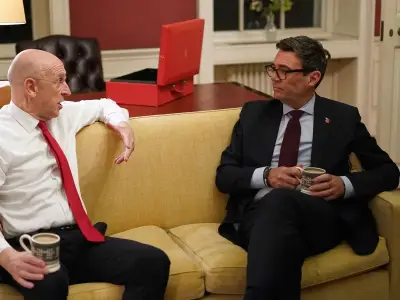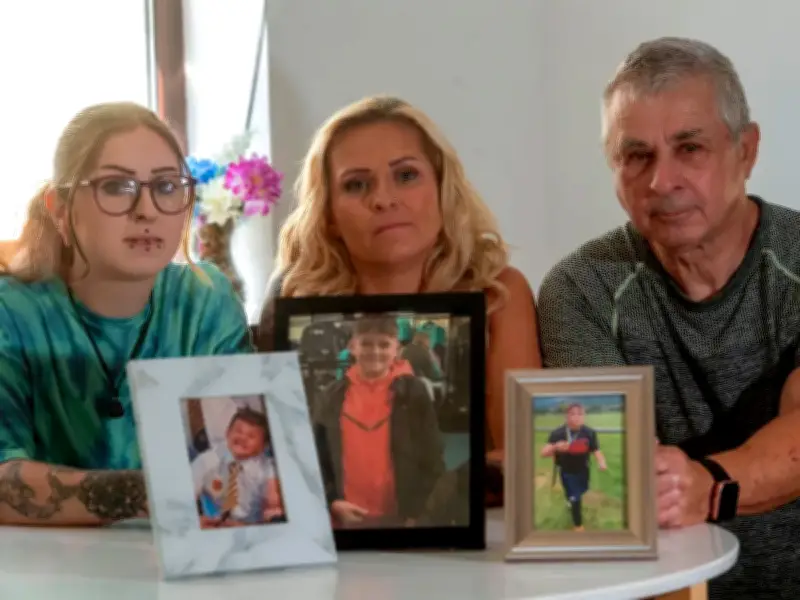
The family of Kaylan Hippsley, a 13-year-old killed in a hit-and-run in 2024, have received an apology from a UK Government minister after they learned his killer was eligible for early release. Alex Davies-Jones, the victims' minister and MP for Pontypridd, has offered to meet the family to listen to their experience and concerns surrounding the justice system.
Earlier this year, Kaylan's family told WalesOnline they were left angry and heartbroken after being told their son's killer, Harley Whiteman, would be eligible to be released from prison early. This was the latest in a long list of battles the family described feeling like they had faced with the justice system, having previously fought against the sentence given to the driver who struck Kaylan, which was increased after an appeal.
Family forced to relive nightmare
Kaylan's mum Lisa Hippsley and the wider family said they had been forced to relive the nightmare of his tragic death all over again when they received the phone call telling them the news Whiteman would potentially be walking the streets much earlier than they expected.
Prime Minister Andy Burnham later made changes to the early release scheme, introduced to cope with prison overcrowding, which meant certain offenders convicted of crimes like causing death by dangerous driving, like Kaylan's killer, would no longer be eligible for early release. While this move was welcomed by victims across the UK, families like Kaylan's often speak of how they feel that they are not put at the heart of the justice system.
"We shouldn't have to fight", Lisa told us, explaining that the family were left living a life sentence after losing Kaylan, while they felt the man who took his life had gotten off lightly. Kaylan was described as a talented rugby and football player who was a 'cheeky chappy'.
Minister's apology and response
While Kaylan's killer will no longer be eligible for early release, the family were also told he had only served one year in a youth offenders' institution, followed by a year in prison, before being moved to an open prison. When asked about the experience of Kaylan's family while Ms Davies-Jones was in Cardiff to launch a dedicated helpline to support those affected by the early release scheme, she described what they had been through as "devastating" and apologised to them.
She said: "It is devastating what they have been through as a family, and all of my sympathies and condolences are with them. I also hear their anger at how the criminal justice system has failed them in their search for justice, whether that be through the original sentencing, and they had to fight to go through the Unduly Lenient Sentencing scheme, and then how they feel like this summer has re-traumatised them. I can only apologise for that."
Ms Davies-Jones added that while death by dangerous driving now being exempt from the early scheme is evidence that the government is listening to concerns, "there is clearly more that needs to be done to ensure that victims and survivors are heard and supported, and put back at the heart of the criminal justice system".
Minister offers meeting and addresses scheme concerns
The minister said she would like to meet Kaylan's family to hear about their concerns directly. "I would like to hear their experience so it can [feed] into the reforms that I'm trying to make to ensure that we do not do this to any other family," she said.
Ms Davies-Jones also addressed concerns about the early release scheme more generally, and said she "understands the frustration" about offenders being released from prison sooner than victims expected. "This is the situation we have with a creaking criminal justice system, whether that be our courts facing severe delays, a prison capacity crisis, and we have victim support that is seeing an increased demand," she said. "We need to address it all."
She added: "If I could wave a magic wand and build more prison places tomorrow, I would, but we cannot do that. But we are building more prison places and we're also doing the really hard work on tackling the root causes of offending in the first place."
Offender Release Helpline launched
Ms Davies-Jones spoke during a visit at the Victim Support centre in Cardiff to meet with call handlers working on the offender release helpline, which was set up by the UK Government "to provide communication, support, advice, signposting to anybody who is concerned regarding their offender's release from prison".
Call handlers are able to answer questions about an offender's release and can act as a listening ear, where people can talk about what they're going through and point them to other support services. In terms of practical measures, the helpline can also be used to create a safety plan for victims and survivors, and considerations about whether CCTV, Ring doorbells or personal alarms may help those calling feel safer.
Ms Davies-Jones also said call handlers can talk victims through how licensing agreements with the offender's release can potentially be influenced. "Victim support can feed information directly to probation about where restriction zones should be, what the bail conditions look like, ensuring that the tagging and the proximity to the victim is taken into consideration," she said.
Katie Kempen, CEO of Victim Support, said the thing that most people called the helpline for was information about the early release scheme and how it might affect them. As well as that, she says some people have called with concerns about their personal safety.
She explained: "People have been in touch when they know an offender is being released, who may have caused them harm previously, or where they may not be confident that they'll respect license conditions and they may contact the victim again. Victims obviously really understandably are very worried about their own safety.
"They sometimes report feeling like they're now a prisoner in their own home, or we're hearing victims who need to go and stay with family or friends because they no longer feel safe at home. What we do in those instances is really provide them with the information to equip them to ensure that they're as safe as possible."
Ms Kempen added: "We're by your side after crime. We're independent, we're confidential, and we will listen to you. We'll hear you, and we're really here to support you."
The Offender Release Helpline is based alongside other specialist services at the Victim Support's National Contact Centre (NCC) in Cardiff, including its national Supportline. Frontline workers at the NCC support thousands of victims every year, affected by all types of crime. Its specialist caseworkers help people understand their options, navigate the criminal justice system, develop personal safety plans, access practical support and feel heard and believed after often traumatic experiences. The helpline, which is open to all, is available on freephone 0808 168 9280 24/7.