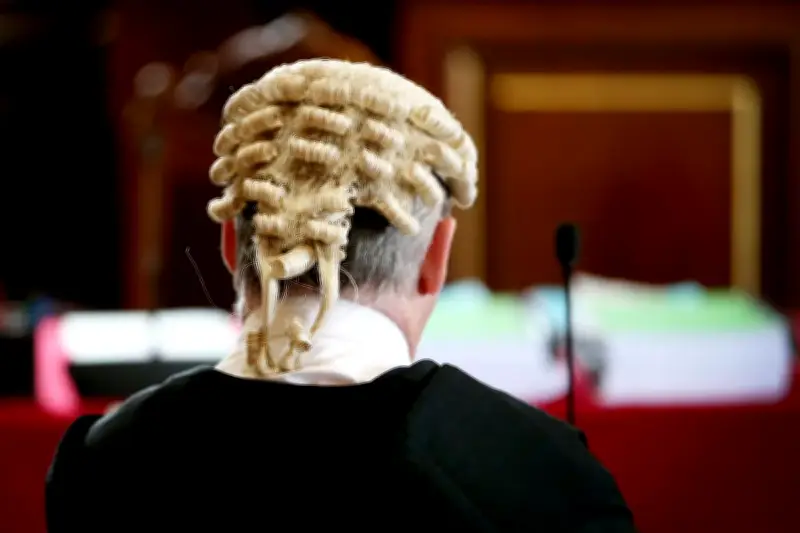
Judges will be given new powers to punish killers who refuse to face their victims' families during sentencing, including locking them in their cells and restricting prison visits. The measures, laid in Parliament, build on existing reforms that already allow criminals to be ordered into the dock or face additional penalties for contempt of court.
Under the new rules, prisoners could be confined to their cells for up to three weeks, lose privileges for nearly three months, and be banned from social visits for almost a month, with further restrictions limiting visits to once every four weeks for nearly three months.
Campaign for Change
Families of murdered primary school teacher Sabina Nessa, law graduate Zara Aleena, and mother-of-three Jan Mustafa have campaigned for change after their loved ones' killers were absent from sentencing hearings. Triple crossbow and knife killer Kyle Clifford and Thomas Cashman, who murdered nine-year-old Olivia Pratt-Korbel, also refused to face their punishment in court.
The move is the latest attempt to encourage killers to attend court, as threats of additional prison time are unlikely to deter those already facing long sentences. The powers, due to come into force next year, will also apply to individuals removed from sentencing hearings for disruptive behaviour.
Cases in Point
Southport killer Axel Rudakubana was sentenced in his absence to a minimum of 52 years for an attack in which he murdered three young girls, after refusing to enter the courtroom and being removed from the dock for shouting. Judges will also be able to impose similar sanctions on criminals aged 18-20 held in Young Offender Institutions, but for shorter periods.
Victims' Commissioner for England and Wales Claire Waxman said it was "essential" that the powers be used "consistently by courts and prisons, so families receive the justice and accountability they deserve."
Concerns and Exemptions
Pia Sinha, chief executive of the Prison Reform Trust, called on ministers to explain what evidence shows such sanctions would increase attendance at sentencing hearings. She warned the measures would punish relatives of prisoners who "have committed no offence themselves," adding: "The Government should therefore be clear about the rationale for these sanctions, how their impact will be assessed, and whether they will deliver the accountability that victims' families rightly expect."
Visits from prisoners' children will be exempt. The Ministry of Justice said the measures cannot guarantee prisoners attend their sentencing but are intended to ensure they face tougher consequences for refusing. Prisons minister Catherine McKinnell added: "Criminals should not be able to pick and choose when they face justice. Refusing to turn up to sentencing is an insult to victims and their families, and offenders must face the consequences."