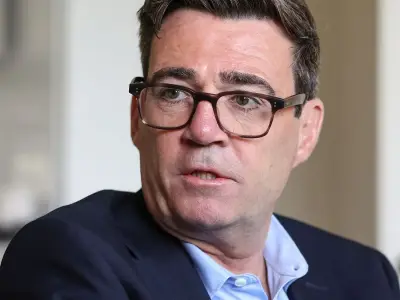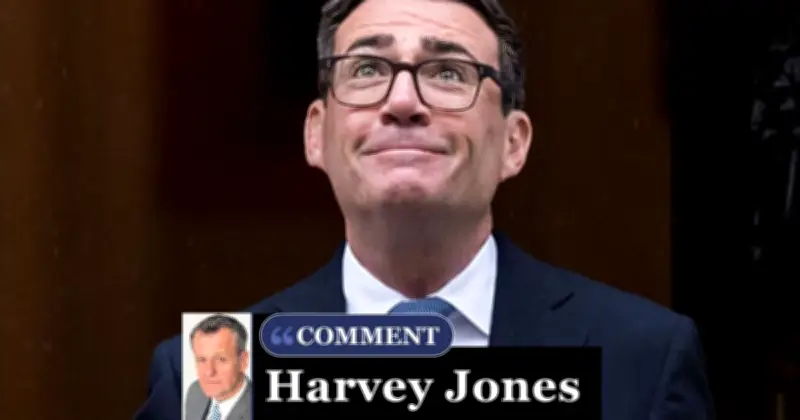
Andy Burnham's long-held dream of becoming Prime Minister has come true, but at the worst possible time. After two failed attempts at the Labour leadership, he finally got the job this year when the party chose to overlook his previously spotted shortcomings in its desperation to ditch Keir Starmer. However, getting the job appears to have been the easy part.
Summer charm gives way to financial turmoil
Over the summer, the new PM toured the country, posted jolly videos, and basked in victory, with the public enjoying the fact that he was not Keir Starmer. Now, the hard part begins as Britain appears to be stumbling into another financial crisis.
To get through it, the country needs a leader prepared to make tough and unpopular decisions. Critics argue that is not Andy Burnham, whose fundamental character flaw is a desire to be liked. While generally harmless, it is considered one of the worst traits a British Prime Minister could have right now, as Burnham will have to do many things people will not like, and his own side will hate them most of all.

Spending plans clash with rising debt
Burnham's agenda includes making life better for ordinary people, easing the cost-of-living crisis, cutting bus fares and electricity bills, getting rough sleepers off the streets, and sorting out the social care fiasco. The problem is that fixing these issues will cost billions, at exactly the point when Britain is running out of cash.
The problem has been building for years, as politicians of every stripe have ducked the need to rein in government spending. Britain has only balanced the books once this millennium, in 2000/01, when Gordon Brown was still following spending plans inherited from the Conservatives. At that time, national debt was less than 32% of GDP. Today, it is almost 95%.
Bond markets and the triple lock threat
UK borrowing costs have just surged to a 30-year high as Donald Trump's Iran war drives up oil and inflation. Bond markets want evidence that governments are serious about controlling their debts, especially Britain's. Yet Burnham wants to spend more.
Enemies of the state pension triple lock are taking advantage of the turmoil and demanding the mechanism is scrapped. If Burnham listens, millions will loathe him for life. The article suggests he can forget embarking on another jolly national walkabout, as it will not end well.
In all those years of dreaming about becoming PM, this was surely not how Burnham imagined his first few weeks would pan out. Unless he gets a grip, this risks turning into a horror show.