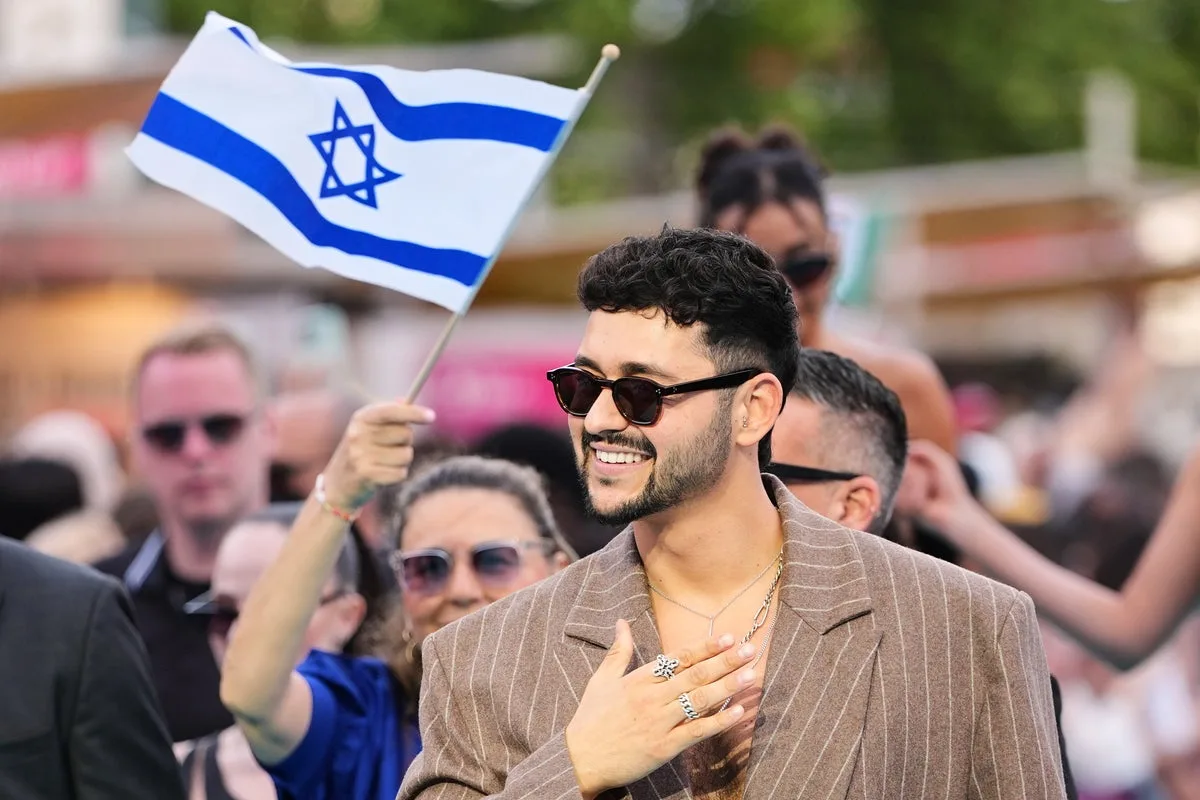
The 2026 Eurovision Song Contest final is taking place tonight, but the event remains mired in controversy over Israel's participation. Several countries, including Spain—one of the 'Big Five' nations ordinarily guaranteed a spot in the final—have withdrawn in protest.
The European Broadcasting Union (EBU), the organising body, has faced calls to ban Israel for three years running but has each time allowed Israel to remain. This year, Israel is represented by singer Noam Bettan with his song 'Michelle'.
Spain's boycott was explained by José Pablo López, chair of the Spanish radio and television corporation, who cited 'the genocide currently taking place' in Gaza. Israel has denied accusations of genocide, which have been made by a UN Commission, Amnesty International, and the International Association of Genocide Scholars.
The EBU has historically branded Eurovision as apolitical, but it banned Russia in 2022 after its invasion of Ukraine—only after other nations threatened a boycott. Some observers highlight that one of Eurovision's biggest sponsors is Israeli beauty products company Moroccanoil, while others note that countries like Germany threatened to withdraw if Israel were banned.
Ahead of the 2026 competition, the EBU did not hold a vote on Israel's participation but instead voted to institute new rules on voting manipulation, after claims that Israel had violated the spirit of the contest in 2025 by encouraging ex-pat citizens to use allocated votes. The EBU issued a formal warning to Israel's broadcaster Kan after it called for viewers to 'vote 10 times' for Bettan, which breached competition rules.