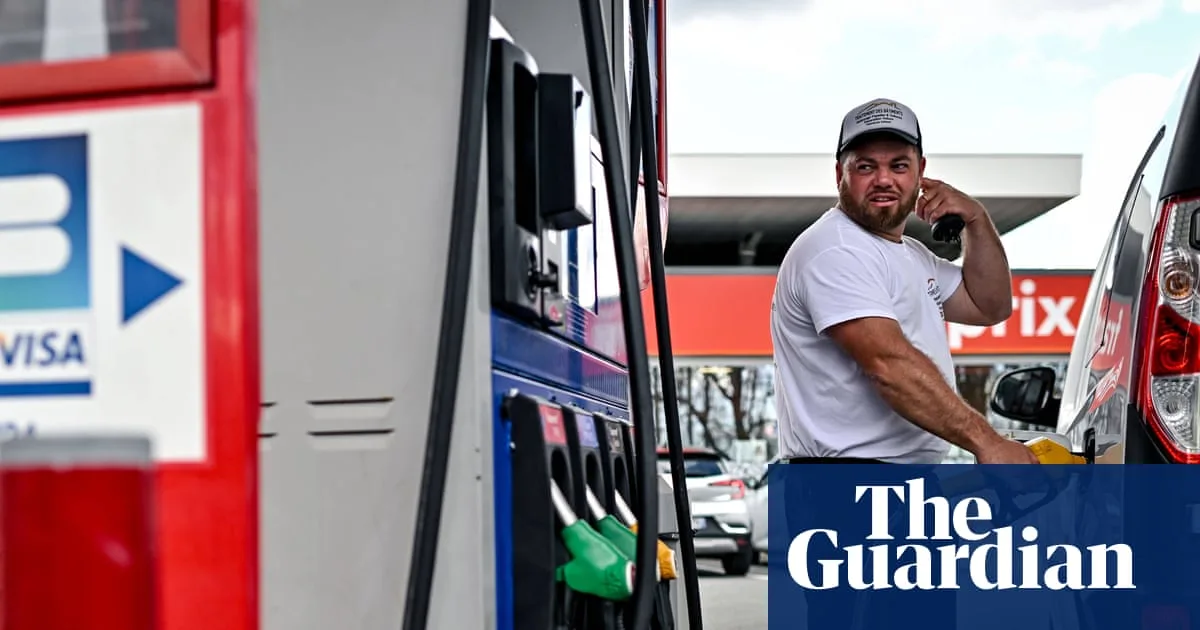
Millions of drivers would become the most-taxed in Europe under Chancellor Rachel Reeves' fuel tax raid, according to bombshell analysis. A study found millions of UK diesel drivers currently pay an average 85p a litre in tax at the pumps, the second-joint highest after Denmark (88p) and Germany (85p). But this would increase to an eye-watering 91p a litre after the Chancellor’s fuel duty hike kicks in, making them the most clobbered in Europe.
For petrol, UK drivers are currently the 12th-highest taxed (79p a litre) out of 29 European countries the study looked at. This would leap to eighth-highest (85p), according to the RAC Foundation analysis.
It comes as the extra VAT windfall Ms Reeves has raked in thanks to sky-high pump prices sparked by the Iran war has hit nearly £500 million in less than three months. It piled pressure on her today to ditch her hated 5p a litre fuel duty hike, which kicks in from September, and use the windfall to help pay for it.
Political Reaction
Richard Holden, the Tories’ Shadow Transport Secretary, said: 'Labour’s fuel duty hike will hammer drivers already squeezed by rising costs and make Britain one of the most expensive places in Europe to drive.' He added: 'Instead of helping motorists with the cost of going to work or the shops, Rachel Reeves is treating drivers like a cash cow to bankroll Labour’s ballooning welfare bill.'
Tory MP Greg Smith accused Ms Reeves of 'ripping off drivers at the pumps with extortionate tax hikes', and said: 'Labour needs to understand how vital cars are to people’s everyday lives and reduce the tax burden. Unless they think every motorist has “the broadest shoulders”, in which case they are even more out of touch with reality than we thought.'
Campaigner Calls for U-Turn
Howard Cox, founder of the FairFuelUK group, which has campaigned for years to keep fuel duty low, said Ms Reeves should spike the hike if she wants to achieve her economic growth ambitions. He said: 'The current cost of petrol, and particularly diesel, is crippling motorists' and small businesses’ ability to spend in the wider economy. Any more fuel tax hikes are both economically and politically suicidal. When will these ignorant Treasury politicians understand that more money in people’s pockets drives growth?'
The Tories and Reform UK have vowed to ditch the increase if they win the next election, while the Liberal Democrats have called for a 10p a litre cut in fuel duty. It is currently 52.95p a litre. Tax, when fuel duty and VAT are combined, currently accounts for around half of the cost of filling up at the pumps.
Impact of Iran War
Since the Iran war began on 28 February, drivers have shelled out an extra £2.8 billion at the pumps because of higher prices, according to the RAC Foundation’s analysis. This, in turn, has netted Ms Reeves more than £480 million extra in VAT as higher prices mean the 20 per cent levy accounts for a bigger slice going into Treasury coffers.
Since the conflict erupted and the Strait of Hormuz was blockaded, which squeezed oil supplies and drove up global costs per barrel, most other countries have cut fuel taxes to relieve the burden on drivers. By contrast, Labour has vowed to press ahead with its 5p a litre fuel tax hike, which would kick in from September and add another £3 to the cost of a fill-up.
However, there was growing speculation today that she will delay or ditch the hike next week as part of a package aimed at alleviating cost-of-living pressures on hard-pressed households. Treasury sources said it was something that was being war-gamed.
Since the conflict started, it has become around £14 more expensive to fill the average 55-litre tank in a family car with petrol, and over £24 more costly with diesel. Energy bills for some households have also increased, while soaring costs of diesel generally push up prices on shop shelves as the fuel is the lifeblood of the haulage industry, which tends to pass on any increase in delivery costs.
While pump prices have dipped slightly in recent weeks, petrol remains 25p a litre more expensive on average than before the conflict while diesel is 44p more costly. The Treasury was contacted for comment.






