Donald Trump's state visit to the United Kingdom has been marked by both ceremonial grandeur and widespread public dissent. The president, whose mother Mary MacLeod emigrated from the remote Scottish island of Lewis, is staying at his Turnberry golf resort in Ayrshire before heading to a summit with Vladimir Putin in Helsinki. The visit, originally extended by Prime Minister Theresa May in 2017, has been controversial from the start, with a petition to cancel it gathering over 1.86 million signatures.
Trump's relationship with the UK is deeply personal yet politically fraught. His mother's humble upbringing in a Presbyterian community contrasts sharply with his own flamboyant persona. The president rarely discusses his British heritage, instead emphasising his German father's influence. His itinerary includes meetings with the Queen at Windsor Castle and talks with May, but critics have accused him of stoking a culture war through his interventions in British politics.
The controversy escalated after Trump criticised London Mayor Sadiq Khan's response to the 2017 London Bridge terror attack, calling it 'pathetic'. This broke with diplomatic norms and outraged many Britons. Despite the backlash, May has defended the visit as an opportunity to strengthen post-Brexit trade ties with the US. However, the prime minister's own political position is precarious due to deep divisions within her Conservative Party over Brexit.
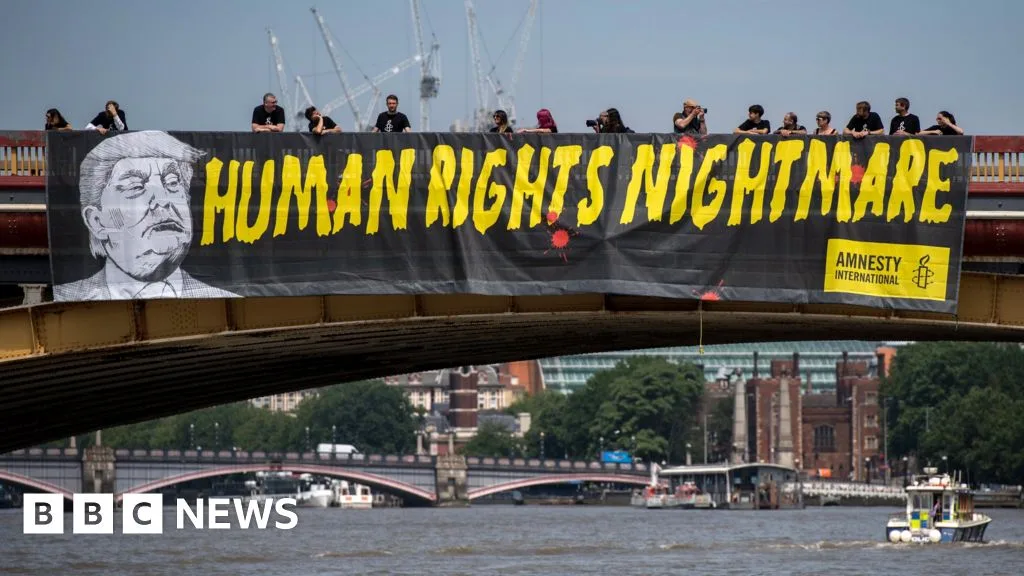
Large protests are expected across the UK, with organisers planning a 'carnival of resistance' in London. The president's supporters, meanwhile, point to his tough stance on immigration as a point of commonality with Brexit voters. As Trump prepares for his high-stakes meeting with Putin, the UK visit has become a lightning rod for debates about national identity, sovereignty, and the special relationship.