
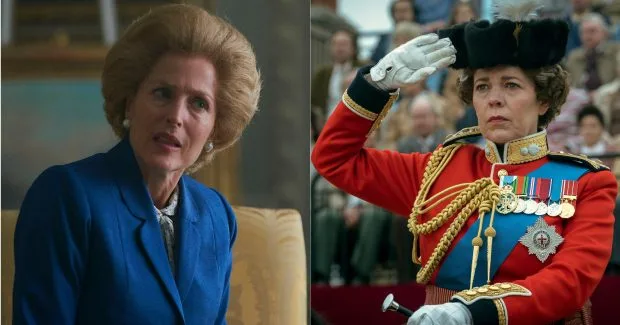
The Crown’s fourth season has reignited interest in the relationship between Queen Elizabeth II and Prime Minister Margaret Thatcher, with Gillian Anderson portraying the latter opposite Olivia Colman’s monarch. But how accurate is the dramatisation? The series covers Thatcher’s entire premiership from 1979 to 1990, focusing on their weekly audiences at Buckingham Palace.
Head of Research Annie Sulzberger notes that while neither woman would comment directly, those close to them described a “frosty relationship” for a time, which thawed during the Falklands conflict. She explains that the Queen, whose role is to unify, found Thatcher’s divisive policies challenging, as she had to deal with the consequences without the power to counteract them.
Thatcher herself, in her autobiography, insists they got along perfectly. She writes that their meetings were “quietly businesslike” and that the Queen had a “formidable grasp of issues”. She dismisses press stories of clashes between the two “powerful women” as sexist nonsense, emphasising the confidentiality of their audiences.
Other accounts paint a less harmonious picture. Thatcher was reportedly stiff and formal, arriving with a written list of topics and never relaxing. While Robert Hardman’s book suggests the Queen had “profound respect” for Thatcher’s achievements, they were not at ease with each other. Biographer John Campbell highlights a paradox: Thatcher revered the monarchy yet sought to modernise the country, sweeping away values the monarchy perpetuated.
AN Wilson describes Thatcher as a “quasi-revolutionary” who needed conflict, whereas the Queen’s instincts were unifying. The show captures this tension, though it remains a dramatisation, not a documentary.




