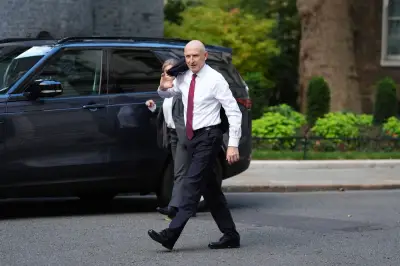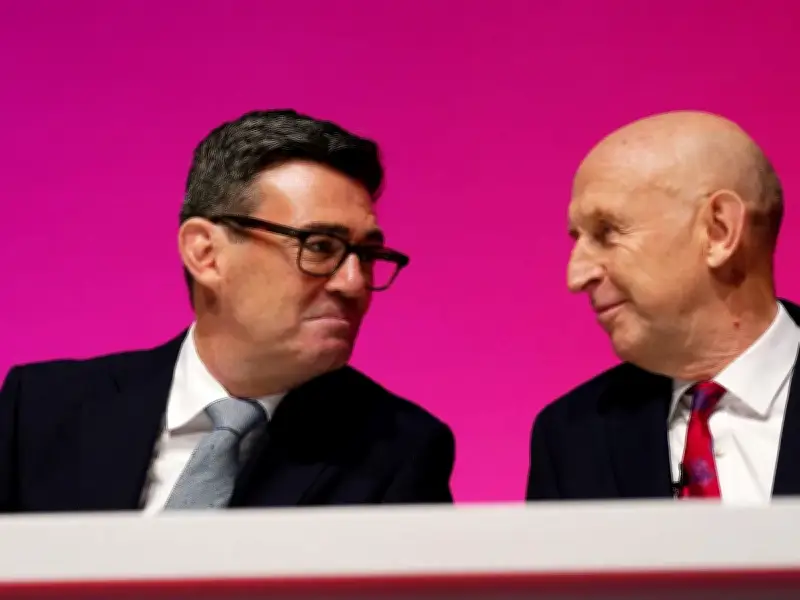
Chancellor John Healey will deliver his first Budget on Wednesday, October 28, in a speech to MPs in the House of Commons, outlining how Prime Minister Andy Burnham's government intends to raise and spend money. The announcement comes amid a difficult domestic economic situation worsened by international market turmoil caused by the Iran war.
Former defence secretary Mr Healey will signal whether the promises made by Mr Burnham during his first weeks as Prime Minister are fully funded. Here are ten things to expect from Budget 2026.
Public finances and fiscal rules
Due to stretched public finances, Mr Healey will have limited scope for big Budget giveaways, with significantly reduced headroom as a result of increased Government borrowing costs from the Iran war. Sticking by rules set by predecessor Rachel Reeves, the Budget will require day-to-day spending to be financed by taxes rather than borrowing by 2029/30, and public debt as a share of the economy should fall in the same year.
Back in March, headroom was forecast by the Office for Budget Responsibility (OBR) to be around £24 billion, but the Resolution Foundation estimates that could have halved to £12 billion.
Relief for households and businesses
Attempts to ease rising costs are expected, with Mr Burnham ordering the Chancellor and Energy Secretary Miatta Fahnbulleh to look into getting rid of standing charges from gas bills. The Prime Minister also wants to break the link stopping wholesale gas prices from setting electricity bills. Mr Healey is under pressure to cancel January's planned fuel duty increase, as the rate has not gone up since 2011.
On red tape, the Treasury estimates that reducing paperwork for businesses could save firms around £800 million. Mr Burnham said: "If you run a business, you want to spend your time serving your customers, creating jobs and growing your firm, not filling in unnecessary forms."
Tax and bank levy decisions
Mr Healey has ruled out hiking capital gains tax, despite calls from within Labour to make the rate closer to that on earnings. Basic rate income taxpayers are charged 18pc, while higher and additional rate payers face 24pc. "I want to see this country as a country of wealth creation," Mr Healey said last month.
According to reports, the Chancellor is considering increasing the surcharge on bank profits from 3pc to 8pc, reversing a tax cut launched by former chancellor Jeremy Hunt. The Trades Union Congress said the hike would raise £2.25 billion a year, though city representatives have claimed it will stifle investment.
Defence, AI, and major funding plans
Mr Healey has promised to fill a £4.7 billion black hole in Britain's defence investment plan (Dip), with only £10.3 billion committed to the £15 billion promised by Sir Keir Starmer. Government defence spending will rise to a 2.7pc share of the economy by 2027, and Mr Healey may set out the path to Nato's 3.5pc target by 2035.
Over £600 million will be committed to AI projects, including £165 million for a national AI biosecurity initiative, £120 million for the AI Security Institute, and £60 million for a national cyber shield. A £7 million fund will study a possible Olympics and Paralympics bid in northern England, aiming for the 2040s.
£285 million will be initially allocated for devolution to mayors and regional leaders, while over £1 billion will go to social and affordable housing, taking funding for the 10-year homes programme past £40 billion. A further £432 million will be committed to the rough sleeping programme, with shadow housing secretary Katie Lam criticising Labour over record highs.