First Minister Defers Electoral Judgment on Key Poverty Pledge
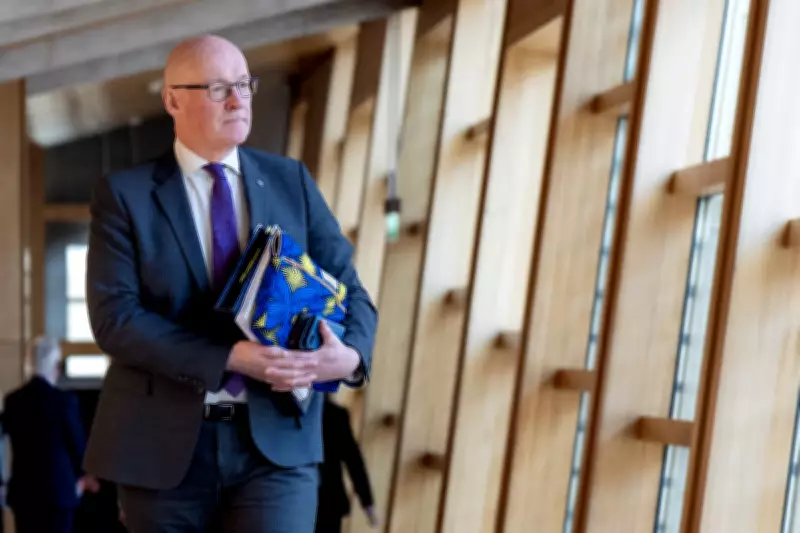
First Minister John Swinney has stated that voters will be able to judge his performance in 2031 if his government fails to meet its ambitious child poverty reduction target, while notably declining to confirm whether he would resign should the goal not be achieved.
A Defining Mission with a Distant Deadline
Since assuming office in 2024, Swinney has positioned the eradication of child poverty as the central, driving mission of his administration. However, the Scottish Government remains significantly off-track from its target of reducing the child poverty rate from the current 22% to just 10% by the end of this decade. This challenge is compounded by the administration having already missed an interim target of lowering the rate to 18% by the 2023-24 period.
When directly questioned by the Press Association on whether he would step down if the primary 2030 target is missed, Swinney avoided a definitive answer. "I’m just going to do everything I can to make sure we achieve those targets," he asserted, emphasising his commitment to allocating resources and prioritising policies designed to meet the objective.

Context and Confidence in Leadership
The First Minister framed his efforts within what he described as a potentially hostile UK-wide economic context, which could impede his agenda. "I will do my level best to achieve that and allow the people of Scotland to judge on my record," Swinney stated. Pressed once more on the resignation question, he deferred to the public's future verdict: "People will be able to see what I’ve done by 2031… it’s entirely up to the public to make their judgment."
He expressed confidence in his ability to provide the necessary leadership, direction, and policy interventions to succeed. This stance comes as the SNP continues to hold a substantial lead in opinion polls, with Swinney widely expected to remain in power following the upcoming May election.
New Strategy Unveiled Amidst Ongoing Efforts
Swinney's comments coincided with the government's preparation to unveil a new child poverty plan on Thursday, which will outline strategy for the next parliamentary session. Ahead of the publication, Social Justice Secretary Shirley-Anne Somerville heralded the plan as a blueprint to "provide a brighter future for every child."
"It will focus on tackling the root causes of child poverty, boosting incomes, and reducing everyday costs," Somerville explained. The strategy also aims to better integrate support services by ensuring public and third-sector organisations work cohesively within local communities across Scotland.
Somerville highlighted that through "bold action," relative child poverty rates in Scotland have fallen to their lowest point in nearly a decade, standing nine percentage points below the UK average. She credited Scotland-specific policies, such as the Scottish Child Payment, as central to this progress and to creating more opportunities for children to thrive. "Ensuring that is the case for every child remains our top priority," she concluded.