
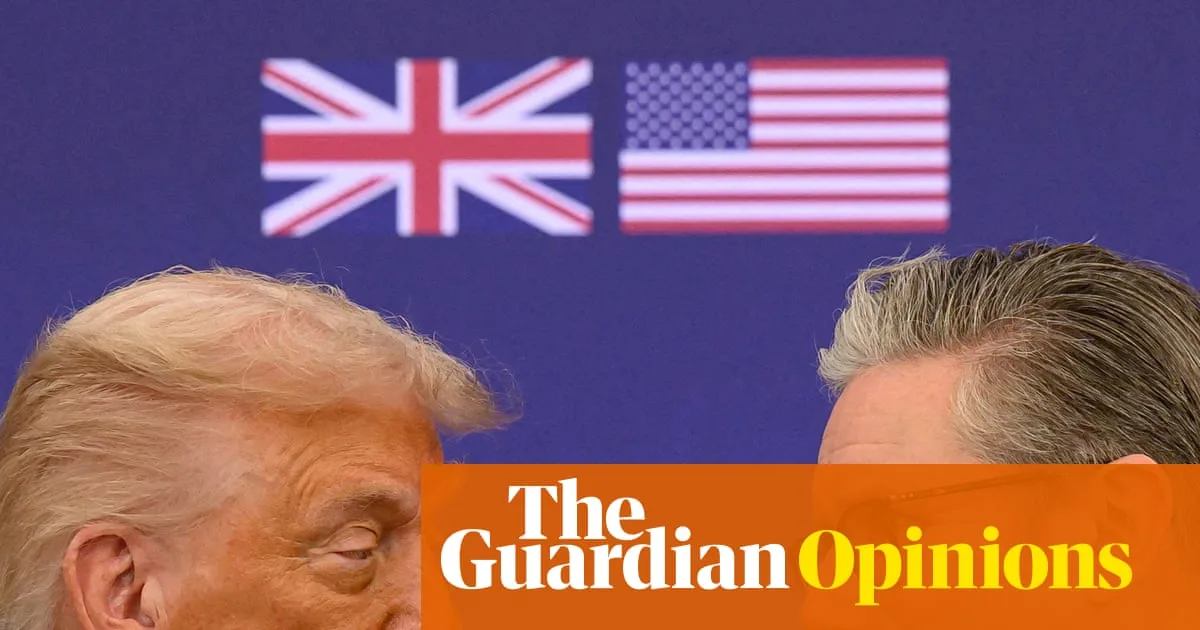
Keir Starmer’s shifting position on US military action in Iran underscores Britain’s perilous dependency on American power, as the prime minister faces criticism from all sides. The US president, Donald Trump, treats alliances as mafia-style transactions, leaving the UK with few good options, according to commentators.
Initially, Starmer withheld permission to use UK military bases, citing no legal basis for war. Within days, he changed course after Tehran’s retaliatory missile strikes endangered British assets, allowing RAF involvement for “collective self-defence” but not offensive action. He stressed that the lessons of the Iraq war would not be forgotten.
Nigel Farage and Conservative leader Kemi Badenoch backed the US strikes without hesitation, with Badenoch accusing Starmer of using international law as a pretext for inaction and of appeasing groups whose loyalties do not align with British interests. However, the prime minister’s caution reflects wider public wariness of ill-conceived military adventures.
Green Party’s Zack Polanski and Liberal Democrat leader Ed Davey highlighted risks of regional escalation and historical precedents. Davey urged Starmer to force Trump to plan a transition to Iranian democracy, while Polanski called for condemnation of US action. Critics note such prescriptions are shallow given the US has already assassinated Iran’s supreme leader.
Starmer must carefully deploy his influence with the White House, balancing other strategic goals like Ukraine and the deep integration of UK and US military systems. The prime minister’s stance is an effort to navigate conflicting domestic and international pressures, but leaves no one satisfied.




