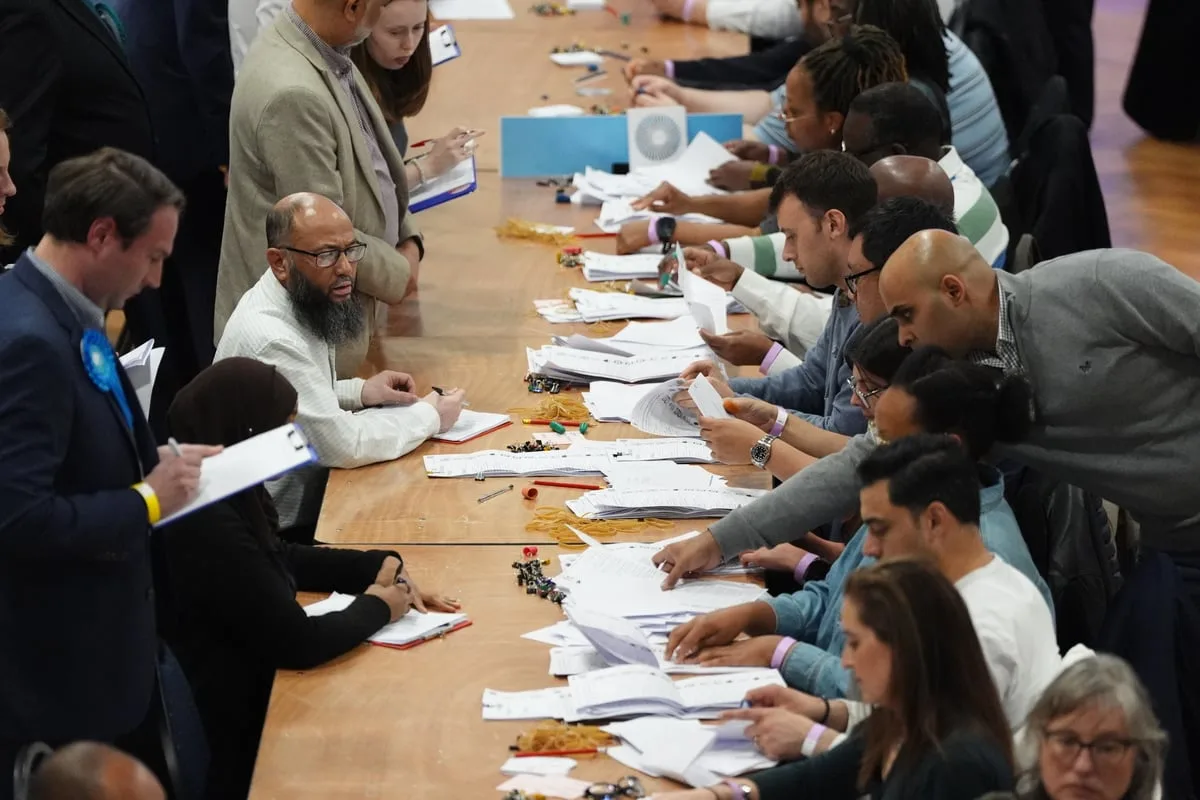
Labour's National Executive Committee (NEC) has banned its councillors from forming alliances with the Green Party, leading to a deal with the Conservatives in Brent to retain control of the council. Seven London councils—including Brent, Barnet, and Enfield—fell to no overall control in the May 7 local elections, requiring minority administrations or coalitions.
Brent Labour, three seats short of a majority, was prohibited from working with the nine newly elected Green councillors. Deputy Labour group leader Gwen Grahl wrote to the NEC, stating that the ban forced Labour to recognise the Conservatives as the official opposition and grant them non-executive scrutiny positions to form a minority administration.
Grahl urged the NEC to reverse the ruling, arguing that Green voters in Brent were often former Labour supporters seeking stronger action on inequality and housing. “Refusing to even engage with the Greens risks reinforcing the perception that Labour is unwilling to work constructively with parts of the progressive electorate we urgently need to win back,” she wrote.
Labour sources cited reputational risks from working with the Greens, following a campaign highlighting alleged antisemitism among Green candidates. Brent Green Group Leader Mary Mitchell criticised the deal, saying: “Brent residents voted clearly for change… Instead, they’ve chosen to cling to power through a deal with the Conservatives.” She added that the Greens were ready to negotiate but Labour prioritised party power over progressive values.