Keir Starmer's Leadership Under Fire Amid Mandelson Vetting Controversy
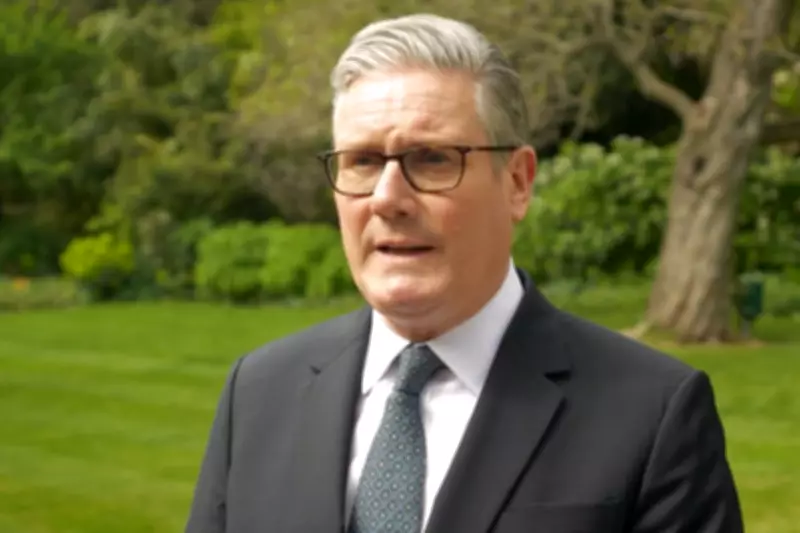
Prime Minister Keir Starmer finds himself embroiled in a significant political storm following revelations about the failed security vetting of Labour peer Peter Mandelson. Despite mounting calls for his resignation, Starmer's position appears secure for now, with the scandal centering on a senior civil servant's actions rather than direct ministerial misconduct.
The Core of the Controversy
The scandal erupted when it emerged that Sir Oliver Robbins, the Foreign Office's most senior civil servant, overruled specialist security advisors to approve Mandelson's application for the ambassadorial post in Washington. This decision occurred despite Mandelson having failed "developed vetting" procedures designed to assess trustworthiness with sensitive information.
According to Downing Street sources, Starmer was "furious" to discover he had not been informed about the vetting failure, learning of it only recently through documentary evidence uncovered by Cabinet Office staff. The Prime Minister has emphasized that "no minister was told" about the security concerns, placing him in what he describes as an "invidious position."

The Civil Service Conundrum
Sir Oliver Robbins, now dismissed from his position, made the controversial decision independently, without informing Foreign Secretary David Lammy, the Prime Minister's chief of staff Morgan McSweeney, or any government ministers. This raises critical questions about civil service protocols and ministerial oversight.
Legal considerations complicate the matter further. A letter from Robbins and the current foreign secretary to the foreign affairs select committee explains that security vetting processes are governed by strict confidentiality rules under UK GDPR and the Data Protection Act 2018. Ministers are typically informed only of final outcomes, not detailed findings, making it potentially unlawful for civil servants to disclose specific vetting information.
Opposition Attacks and Political Realities
Opposition leaders including Kemi Badenoch and Ed Davey have seized on the scandal, presenting Starmer with a dilemma: either he knew about the vetting failure and misled Parliament, or he was unaware, suggesting incompetence. However, evidence suggests neither accusation holds true.
Starmer maintains that he learned of the situation only recently and that proper procedures were followed until Robbins' intervention. The Prime Minister has stated: "That I wasn't told that [Mandelson] failed security vetting when I was telling Parliament that due process had been followed is unforgivable."
Why Starmer Will Likely Survive
Several factors suggest the Prime Minister will weather this political storm. Firstly, the responsibility appears to lie with Sir Oliver Robbins rather than ministerial decision-making. Secondly, the legal framework surrounding vetting confidentiality provides Starmer with a legitimate defense for not being informed earlier.
Furthermore, practical political considerations strengthen Starmer's position. As veteran Labour MP Barry Gardiner noted, while there may be various reasons to challenge Starmer's leadership, this particular scandal doesn't provide compelling grounds. The Labour party lacks obvious alternatives who could improve the government's fortunes, and a leadership contest would likely deepen existing problems rather than resolve them.
Broader Implications and Future Developments
The scandal highlights systemic issues within government vetting procedures and civil service-ministerial relationships. While Starmer prepares to address Parliament, more revealing testimony may emerge when Sir Oliver Robbins appears before the foreign affairs committee chaired by Dame Emily Thornberry.
For now, the Prime Minister appears to have avoided the most damaging consequences of the Mandelson affair. The opposition's premature calls for resignation, based on incomplete information, may ultimately backfire, leaving Starmer to navigate a complex political landscape where procedural failures have created a crisis of confidence without necessarily threatening his leadership position.