Starmer Defies Leadership Threat, Pledges Closer EU Ties After Local Election Losses
Starmer Defies Leadership Threat, Pledges Closer EU Ties

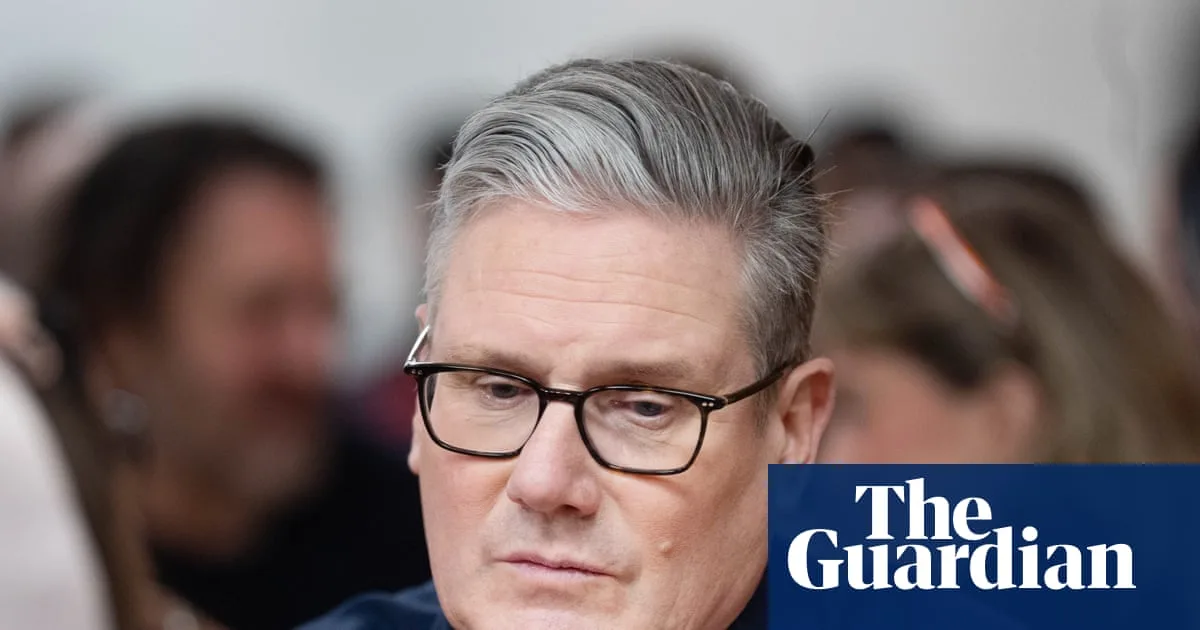
Sir Keir Starmer has vowed to lead Labour into the next general election and announced that forging closer ties with Europe will be central to his response to the party's catastrophic local election results. This comes as Labour MP Catherine West issued a direct challenge to cabinet ministers, urging them to confront the prime minister by Monday or face her triggering a leadership contest.

Leadership Challenge Looms

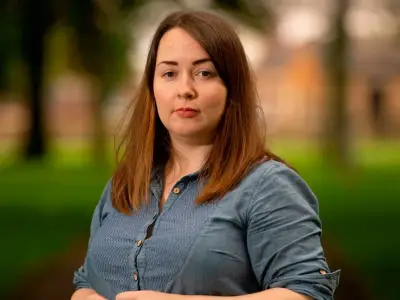
Catherine West, the MP for Hornsey and Friern Barnet and a former junior minister sacked by Starmer, told The Independent that the cabinet should “reorganise themselves” and put forward their “best communicator” to replace the prime minister. If they fail to act, she warned she would seek the 80 nominations needed to force a contest. “We need to tool up for this, because it’s going to be the fight of our life,” she said. “We need to take on Reform and put forward a centrist vision of the country that people can really get behind.”

Starmer's Fightback Plan

In an interview with the Sunday Mirror, Starmer declared he would be “full-throated” about the necessity of closer ties with Brussels and vowed to continue his 10-year project of “national renewal”. He insisted he would not walk away from his leadership. Meanwhile, the prime minister has enlisted party veterans Gordon Brown and Baroness Harriet Harman to help shore up his faltering premiership. The Independent has learned that some senior ministers are attempting to prevent a leadership election but fear that former deputy prime minister Angela Rayner could launch a coup as early as next week. Support is also growing for energy secretary Ed Miliband, health secretary Wes Streeting, and defence minister Al Carns.

Wide Pickt banner — collaborative shopping lists app for Telegram, phone mockup with grocery list

Local Election Aftermath

The local election results on Saturday underscored the scale of the challenge facing Starmer. Reform UK took control of Barnsley and pushed Labour out of office in Bradford, while the Green Party surged to victory in Lewisham and ousted Labour from Lambeth for the first time in two decades. Labour lost more than 1,200 council seats across England.

London vs. Rest of England

Analysis by the Press Association reveals stark differences between London and the rest of England. Labour successfully defended 67% of its council seats in the capital, compared to just 30% outside London. Reform UK won only 5% of the seats it contested in London, versus 43% elsewhere. The Greens secured 19% of seats in London where they stood candidates, higher than the 10% they achieved in the rest of England. The Conservatives won 46% of the seats they defended outside London, while their councillor numbers in London increased by 6%.

The results show that nearly four in 10 council seats in London (39.3%) were won by parties other than Labour or the Conservatives, the highest proportion since the current council system was established in 1964. Of the 1,817 seats up for grabs in the capital, Labour won 38.3% (down from 63.6% in 2022), the Conservatives 22.4%, the Greens 16.3%, the Liberal Democrats 13.4%, Reform 4.3%, and Aspire 1.8%.

Political Fragmentation

The election outcomes provide further evidence of England moving away from a traditional two-party system, with strong support for other parties at the local level. Towns and cities across the country highlight this trend, as the political map is redrawn and divisions deepen.

Pickt after-article banner — collaborative shopping lists app with family illustration