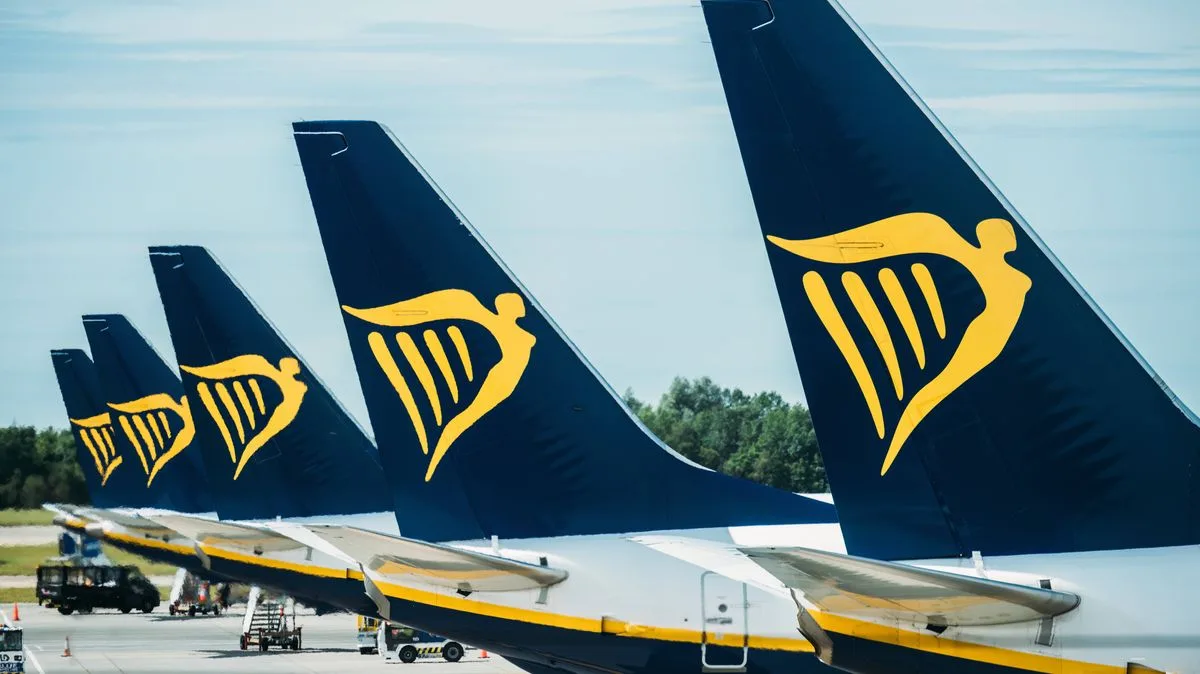
Ryanair has announced the closure of its three-aircraft base in Thessaloniki, Greece, resulting in the cancellation of 12 routes and a loss of 700,000 seats for the upcoming winter season. The budget carrier will also reduce operations at Athens Airport, blaming high costs at Greek airports operated by Fraport Greece and Athens Airport.
The airline stated that the decision is a direct consequence of 'hopelessly uncompetitive costs' charged by the German-run Fraport Greece monopoly and Athens Airport. Ryanair criticised Fraport for not passing on a 75% reduction in the Airport Development Fee (ADF) to passengers, instead pocketing the tax cut. The carrier also noted that airport charges are now 66% above pre-Covid levels.
Ryanair will reallocate capacity to more competitive countries such as Albania, regional Italy, and Sweden, where airports have passed on savings from government tax reductions. The airline warned that its ambitious expansion plans for Greece, including 50 new routes over five years, are at risk unless airport charges are frozen and the ADF reduction is passed on to passengers.
Fraport Greece responded, stating that Ryanair's decision is 'exclusively related' to its commercial strategy and profitability, and that claims linking it to airport charges are unfounded. Fraport noted it has invested over €100 million (£86 million) in upgrading Thessaloniki.
This move follows Ryanair's recent pressure on the Austrian government to scrap its €12 aviation tax, warning of a decline in routes and traffic. The aviation sector continues to enjoy tax exemptions on jet fuel, which critics say keeps fares artificially low and contributes to rising CO2 emissions.