Chancellor Rachel Reeves has announced a temporary reduction in VAT to 5% on summer attractions such as theme parks, museums, and soft play centres during the school holidays, aiming to ease the financial burden on households amid rising costs linked to the conflict in Iran.
Great British Summer Savings
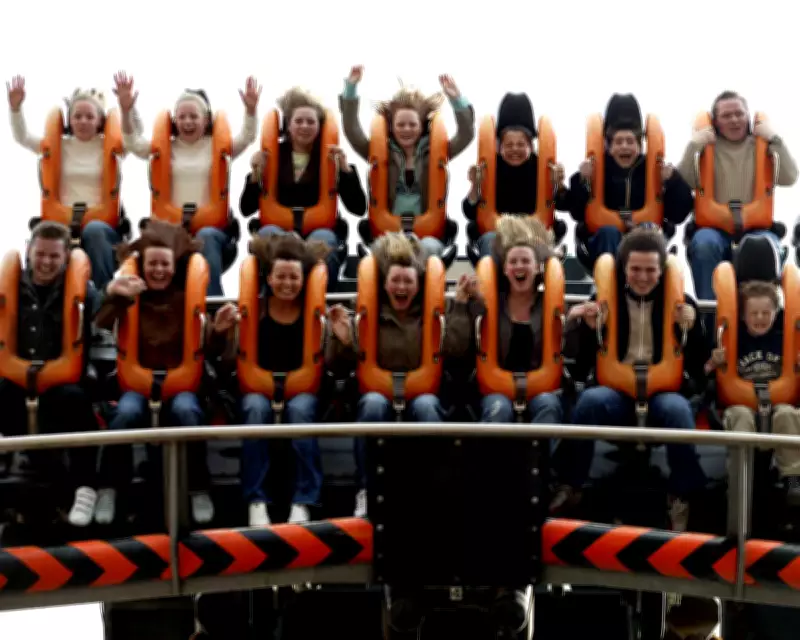
Speaking in the House of Commons on Thursday, Reeves outlined the "Great British summer savings" scheme, which will also include free bus travel for under-16s in England throughout August. The VAT cut, from the standard 20% to 5%, will apply to tickets for zoos, museums, theme parks, soft play venues, children's theatre and cinema tickets, and kids' meals in restaurants. The Treasury estimated that if businesses pass on the savings, a child's cinema ticket could drop by £1.50, and a family day out at a wildlife park could be £17 cheaper.
The temporary measure will run from 25 June, coinciding with the start of Scottish school holidays, until 1 September.

Fuel Duty and Import Tariffs
In other cost-cutting measures, Reeves confirmed the postponement of fuel duty increases scheduled for September and December. She also announced the suspension of import tariffs on certain foods, including chocolate and biscuits, urging supermarkets to pass on the savings to customers. However, a more ambitious plan to fix prices on staple foods in exchange for eased regulations was rejected by retailers.
The tax-free mileage rate for workers claiming driving costs will rise by 10p, benefiting those who drive for work, such as care workers and plumbers.
Funding and Oil Tax Changes
The cost of the summer savings package will be partly offset by changes to the "foreign branch profits" regime, which governs how multinational oil firms pay tax on their UK operations. Reeves stated that some oil and gas groups have structured their tax affairs to pay little or no corporation tax on UK energy trading profits, and the government is ending this practice. The changes are expected to raise several hundred million pounds.
Reeves highlighted the UK's economic strength before the Iran conflict, noting that the economy grew 0.6% in the first quarter, the fastest in the G7. However, she acknowledged that the conflict poses a significant challenge.
Winter Support and Industry Aid
Reeves declined to specify winter support for families facing higher utility bills but reiterated that any scheme would be "targeted and temporary." The quarterly energy price cap is expected to rise to around £1,850 from July.
The government also announced a £350 million "critical chemicals resilience fund" for strategically important producers and £120 million for the ceramics sector. Make UK welcomed the support but warned that high electricity costs remain a challenge, risking deindustrialisation.
Political Reactions
Shadow chancellor Mel Stride welcomed the fuel duty postponement but criticised the government's economic handling, saying it offered little comfort to those who have lost jobs or businesses. Paul Nowak of the TUC called for bolder action to shield families from the fallout of rising inflation and the Iran war.