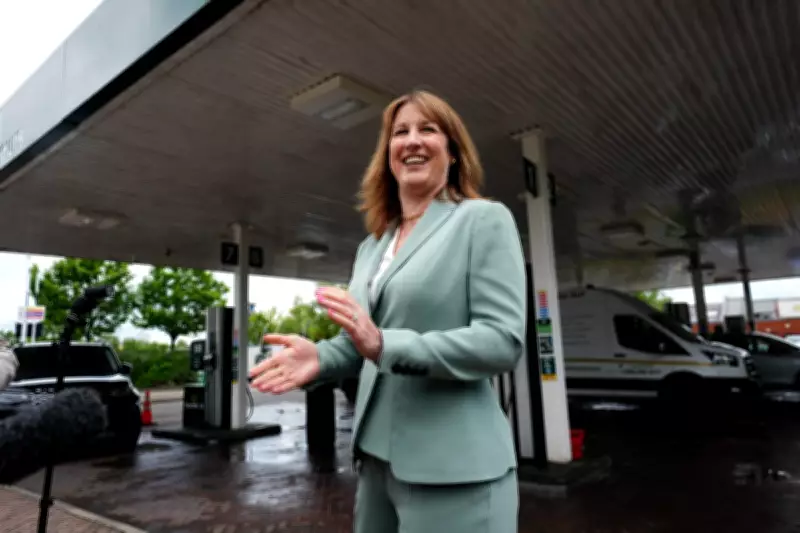
Chancellor of the Exchequer Rachel Reeves is set to unveil a series of measures aimed at alleviating the financial strain caused by the ongoing conflict in Iran. The package, which includes cutting import tariffs on over 100 product categories, is expected to save consumers more than £150 million annually.
Great British Summer Savings Scheme
In addition to tariff reductions, Reeves announced the 'Great British Summer Savings Scheme', which will provide free bus travel for children aged five to 15 in England throughout August. This initiative is backed by over £100 million in government funding to support bus services and ensure families can enjoy the summer holidays without added financial burden.
Prime Minister Sir Keir Starmer emphasised the government's commitment to practical support: 'We know many hard-working families are still feeling the squeeze. By giving every child free bus travel throughout August and cutting tariffs on everyday food items, we’re putting money back into people’s pockets.'

Tariff Cuts on Food Imports
The full list of products subject to tariff suspension will be published next week, but initial reports indicate it will include staples such as biscuits, chocolate, dried fruit, and nuts. This move is part of a broader strategy to combat rising prices triggered by the closure of the Strait of Hormuz, which has driven up global oil and gas costs.
However, the Chancellor is not expected to announce immediate relief for rising energy bills. The household energy price cap is projected to increase by £209 per year from July, with Cornwall Insight forecasting the cap to reach £1,850 for a typical dual-fuel household—a 13% rise from April's £1,641 cap.
Targeted Approach to Energy Support
Reeves is likely to wait until September before finalising any targeted support for winter energy costs, when usage peaks. Chief Secretary to the Treasury Lucy Rigby indicated that the government is wary of repeating the 'hugely costly' universal bailout approach of the previous Tory administration under Liz Truss. 'The Chancellor was clear that she wants to monitor the situation, and then she’s going to intervene in a targeted way if the circumstances demand it,' Rigby told Sky News.
Inflation fell to 2.8% in April, down from 3.3% in March, partly due to a reduction in the energy price cap. However, inflation is expected to rise again as fuel prices surge due to the Middle East conflict.
Reeves stated: 'My number one priority is protecting households from rising costs. This summer I want every family to be able to enjoy themselves. As the war in Iran pushes prices up at home, my economic plan is the right one.'