
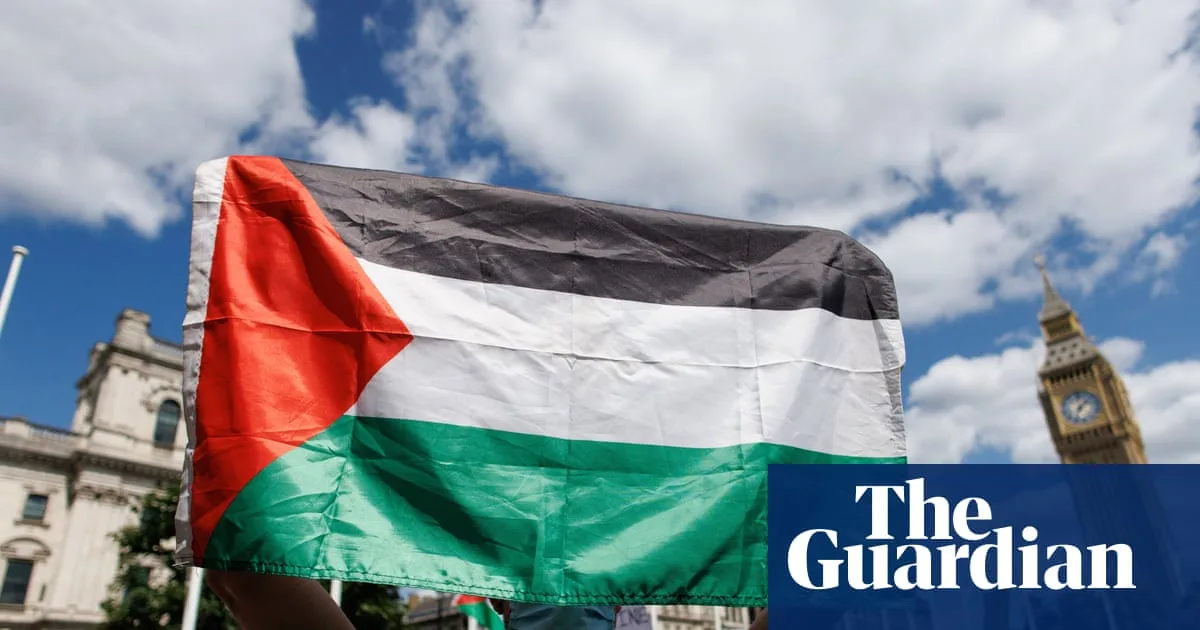
Prime Minister Sir Keir Starmer has called on pro-Palestine protesters to “respect the grief of British Jews this week” following a terrorist attack on a Manchester synagogue. Writing in Jewish News and the Jewish Chronicle, Starmer acknowledged the “justified concern about the suffering in Gaza” but warned that a minority had used protests as a pretext for stoking antisemitic tropes.
“I urge anyone thinking about protesting this weekend to recognise and respect the grief of British Jews this week. This is a moment of mourning. It is not a time to stoke tension and cause further pain,” Starmer wrote. His comments come ahead of a planned demonstration against the government’s ban on the group Palestine Action, which was proscribed on 5 July.
Home Secretary Shabana Mahmood added her voice to calls for the event to be postponed, after police said they wanted to focus resources on protecting Jewish and Muslim communities. Metropolitan Police Commissioner Sir Mark Rowley said continuing protests after the attack “will likely create further tensions and some might say lacks sensitivity”.
However, the organisers, Defend Our Juries, said cancelling the protest would “let terror win”. They expected 1,500 people, including Jewish supporters, to take part in a peaceful sit-in at Trafalgar Square, holding signs reading “I oppose genocide. I support Palestine Action”. The group argued that postponing the event would risk conflating the actions of the state of Israel with Jewish people worldwide, potentially fuelling antisemitic hatred.
Rowley accused the organisers of “drawing valuable resources away from the communities of London at a time when they are needed most”. He said the Met would call in support from forces across the UK to ensure it could arrest all those breaking the law in support of Palestine Action, while also providing protection to mosques and Muslim communities.
More than 1,600 people have been arrested at protests since the ban on Palestine Action came into effect. Rowley noted that there was no legal power to ban the static assembly, unlike protest marches in very limited circumstances.




