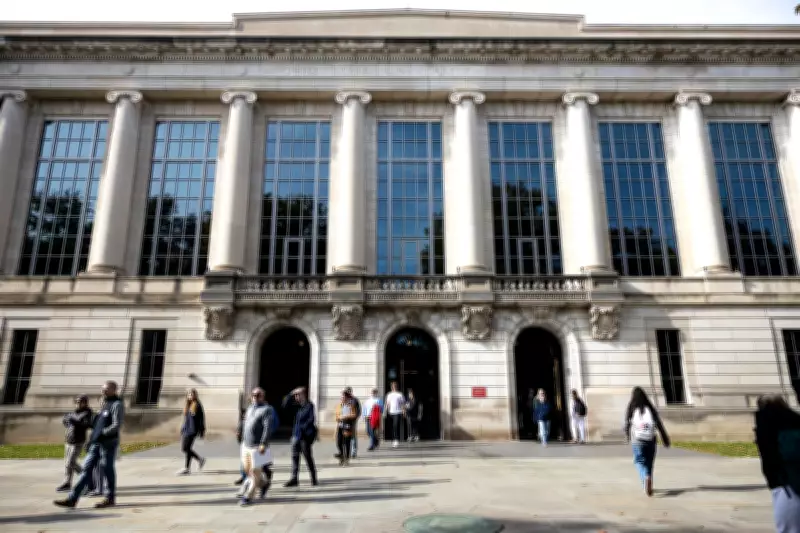
Ohio State University, a flagship institution in the Midwest, is grappling with a series of scandals that threaten its reputation at a time when regional colleges face significant financial challenges. The university, long a source of pride for Ohio, is now dealing with sexual abuse allegations, questions about donor influence, and a leadership crisis.
Sexual Abuse Scandal
Rocky Ratliff, who transferred to Ohio State in the mid-1990s to study political science and wrestle, recalls being sexually abused by Dr. Richard Strauss, a prominent member of the university's athletic medical staff. Strauss, who is believed to have abused hundreds of student athletes over two decades, killed himself in 2005. Ratliff, now a lawyer, says he received inappropriate exams multiple times for a high ankle sprain, including daily genital exams that lasted excessively long. The university has settled with hundreds of victims for $61 million and counting. In May, 30 former Ohio State football players were added to a federal lawsuit, potentially costing tens of millions more.
Presidential Misconduct
In March, former president Walter 'Ted' Carter Jr. resigned after using public funds to help Krisanthe Vlachos, with whom he had an inappropriate relationship, build her podcasting business. Carter facilitated $60,000 in state funds and fabricated a business trip to Florida to accompany Vlachos. The university is now on its fourth president in six years.

Donor Influence and Political Controversies
The university faces questions about billionaire donor Les Wexner, whose name adorns campus buildings. Wexner, who hired Jeffrey Epstein as his financier, has donated about $200 million. Hundreds have requested his name be removed. In February, a professor assaulted a videographer questioning a former president about Wexner. Additionally, a former official stated under oath that Republican congressman Jim Jordan, a former wrestling coach, may have been aware of the Strauss abuse, which Jordan denies.
Financial Pressures
Universities like Ohio State are struggling with falling revenue due to declining enrollment and the Trump administration's clampdown on international students. Ohio's birthrate has fallen nearly 16% since 2006, exacerbating the issue. The university contributes $19 billion to the state economy and supports 117,000 jobs.
Academic Freedom Concerns
Professor Joel Wainwright notes that the university faces a paradoxical moment: thriving in research spending (over $1 billion per year) but experiencing significant attacks on academic freedom. He calls it the most significant attack in at least a century, negatively affecting faculty morale. The Ohio legislature's ban on diversity, equity, and inclusion measures forced program eliminations, though the university denies the direct link.
As Ohio State navigates these crises, its future remains uncertain amid broader challenges in American higher education.