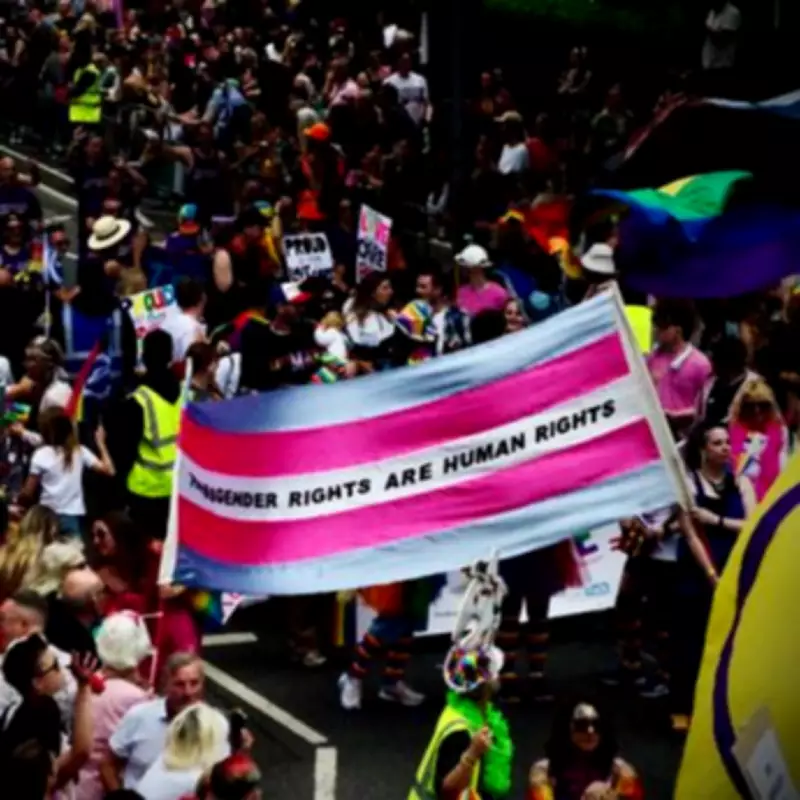
Campaigners are deeply divided following the publication of new Government guidance on single-sex spaces, with gender-critical groups hailing it as a "significant milestone" and trans rights activists branding the law "a mess" and likening the policies to "Trump's America".
Background of the Guidance
The updated code, issued by the Equality and Human Rights Commission (EHRC) on Thursday, comes more than a year after a landmark Supreme Court ruling in April 2025. That ruling determined that the words "woman" and "sex" in the Equality Act 2010 refer to a biological woman and biological sex.
Both sides of the debate have now responded to the new guidance. The chief executive of sex-based rights charity Sex Matters stated that the guidance means "no more excuses" for organisations that have yet to align their policies with the Supreme Court ruling.

Responses from Campaign Groups
However, campaign group the Good Law Project (GLP) argued that the approach is discriminatory and falls outside the "international human rights norm". Both sides are at odds over whether the guidance will lead to more organisations establishing gender-neutral spaces.
Alexandra Parmar-Yee, director of the Trans+ Solidarity Alliance, said: "The law here is a mess, and clearly many businesses will just go gender neutral to avoid the headache, but the Government risks pushing trans people yet further out of public life." She added: "This guidance is going to be a Section 28 moment for this Labour government, defining their legacy on LGBTQ+ rights. It's the sort of trans rights policy we would expect from Trump's America, and is worryingly similar to a US bathroom ban condemned by the UK foreign office in 2016."
Maya Forstater from Sex Matters said: "Service providers have been put on notice that if they respond by getting rid of single sex facilities and going fully 'gender neutral', this may be unlawful direct or indirect sex discrimination against women."
Guidance on Gender-Neutral Spaces
The guidance does encourage the establishment of gender-neutral spaces in situations where trans people would otherwise have no provision available to them. It states: "It is very unlikely to be proportionate to put a trans person in a position where there is no service that they are allowed to use."
For Women Scotland, which secured victory in the Supreme Court case over the definition of a woman, said they were "pleased" that the guidance had "finally been laid". They added: "Hopefully, this will mark an end to the unjustified excuses and delays in implementing the Supreme Court ruling. There is now no reason for public bodies and organisations to evade their responsibilities to women."
Criticism from the Good Law Project
The GLP's trans rights lead, Jess O'Thomson, noted big "changes since the previous, transphobic draft" but said the result still was not "good enough". Ms O'Thomson said: "It still treats trans people as a third sex, suggesting they should be made to use separate spaces – entirely ignoring the harm this causes, and human rights law. We will keep fighting this discriminatory approach."