Chancellor John Healey has announced a 49p an hour increase to the national minimum wage in Wednesday's Budget, a measure that will mean a pay rise for around 2.3 million workers across the UK.
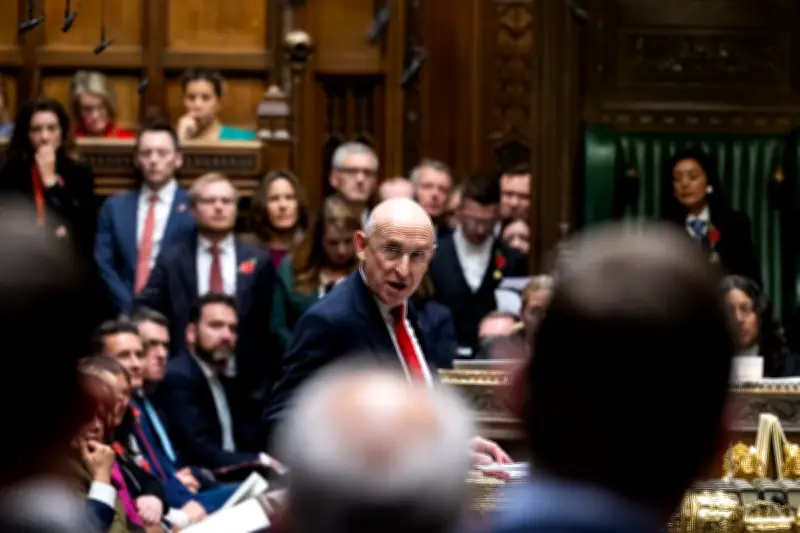
Speaking in the Commons, Mr Healey said that the national minimum wage and national living wage will each rise by 3.9%, taking the rate for those over 21 from £12.71 to £13.20.
End of a Pay Trend
The 3.9% raise ends the trend of hiking pay for those aged 18 to 20 on the national minimum wage more than older workers on the national living wage.
Mr Healey opened his Budget statement by saying the increase was for "the working people of Britain".
The Treasury said the uplift represents an increase of £910 to the gross annual earnings of a full-time worker on the National Living Wage.
Reaction from Unions
Unison general secretary Andrea Egan said: "From taxing the banks to grappling with energy bills, there's much to welcome in this Budget. Making the uplift in mileage rates permanent will make a real difference to public service workers."
"But this was the Government's first chance to turn the Prime Minister's historic ambition for a new economic settlement into action. On that count it falls short."
New Rates and Timeline
The National Living Wage increased from £12.21 an hour to £12.71 in April this year, and the National Minimum Wage rose from £10 an hour to £10.85. The new rates announced in the Budget will come into effect in April 2027.
In April, Britain's Low Pay Commission, which advises on minimum wage rates, said the National Living Wage would probably need to increase by around 3.7% in 2027 to £13.18 an hour to keep up with how it expected average pay to rise.