
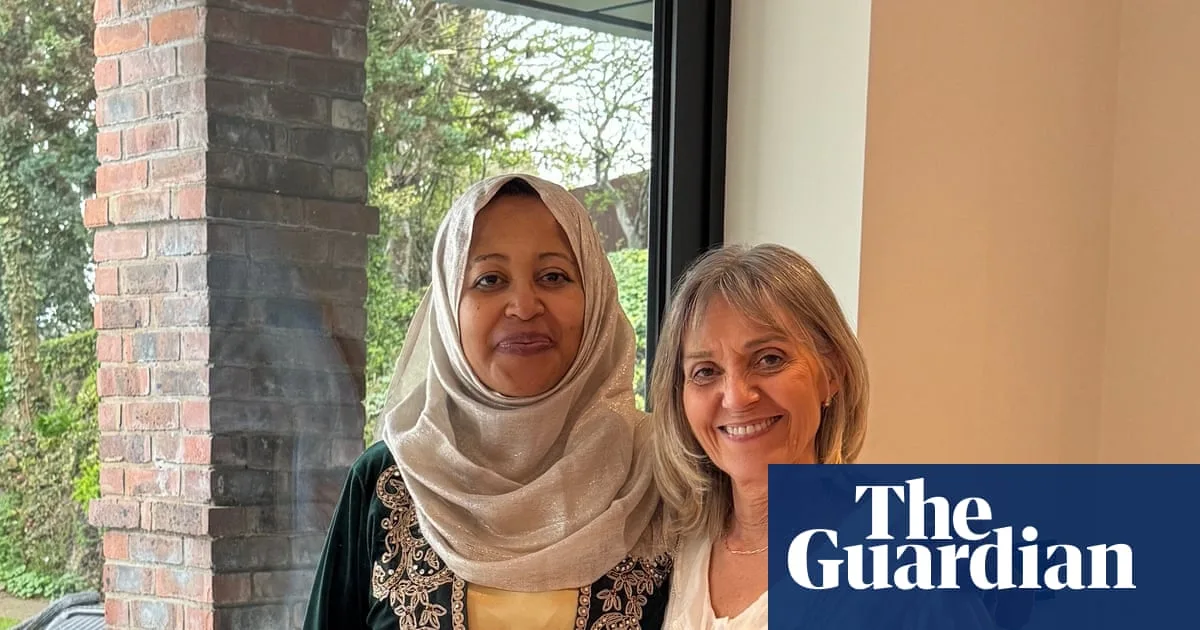
Muslim-Jewish charities say their work bringing communities together is more important than ever, after an alleged attempted murder of two Jewish men in north London this week. Laura Marks, co-founder of the Nisa-Nashim network, said she felt “punch drunk” and that the relentless pace of incidents was demoralising, but she insisted the groups would not give up.
Nisa-Nashim, a charity set up eight years ago, organises social events to foster trust between Jewish and Muslim women, challenging stereotypes worsened by Middle East tensions. Marks acknowledged that projects like hers were not aimed at preventing extreme radicalisation, saying “a bit of hanging out together is not going to make any difference” in such cases. Rather, the goal was to counter fear, suspicion and distrust, helping people “acknowledge their similarities as well as their differences”.
The 7 October 2023 attack on Israel and the subsequent Gaza conflict have made this work far harder, Marks said, with support waning and some volunteers driven away by online abuse, threats or family pressure. She stressed that community safety was the immediate priority, but added: “Long term we can’t live behind walls. We have to build bridges.”
Mohammed Amin, co-chair of the Muslim Jewish Forum of Greater Manchester, expressed “horror and dismay” at Wednesday’s attacks. The forum, established more than 20 years ago, arranges joint events such as a forthcoming trip to a kosher-halal fish and chip restaurant in Leeds staffed by Muslims and Jews. Amin believes such encounters create empathy and real friendships, saying “people get to know each other”.
Amin said cohesion work could not be left to charities alone and required political leadership. He accused some politicians of “trading on sowing division and resentment”, citing Reform UK leader Nigel Farage’s comments after the Southport riots in 2024 as an example. Marks echoed the call for government investment in interfaith work, describing it as “social cohesion at the coalface”. Amin concluded: “If you increase connectivity, you decrease hostility.”




